Here we explain some assessment tests used to diagnose sacroiliac joint pain.
Other signs typically seen in patients may include leg length differences, a negative ‘Stork Test’ and Ilia Rotation.
Differences in leg length can be a contributing factor to sacroiliac pain and can be measured with a tape measure using bony landmarks on the skeleton as reference points.
However, this is not easy as bony landmarks are covered in flesh which can move about when you are trying to use a measuring tape.
There is a much better way to check leg length and with a trained eye and practice, you can soon learn to do this reasonably well.
Leg length difference test bent knees
The athlete is placed on their back with knees bent and heels together, taking care to ensure the heels and hips are as square as possible. The therapist then looks from the front and side at the knees to assess if they are level or not.
If one knee is higher than the other, this could indicate a longer tibia in this leg. One knee forward of the other may indicate a longer femur in that leg. Ensuring the hips are level can be difficult so a further test is needed to give a better picture.
Straight Leg Test
In order to get the hips square the athlete raises the hips off the couch and lowers them down again. This should help ensure they lie in a natural position.
The therapist then gently pulls the legs straight and places the thumbs on the ankle bone on the inside (medial malleoli). From here it should be evident if one leg is longer than the other as one thumb will be higher than the other.
Stork test
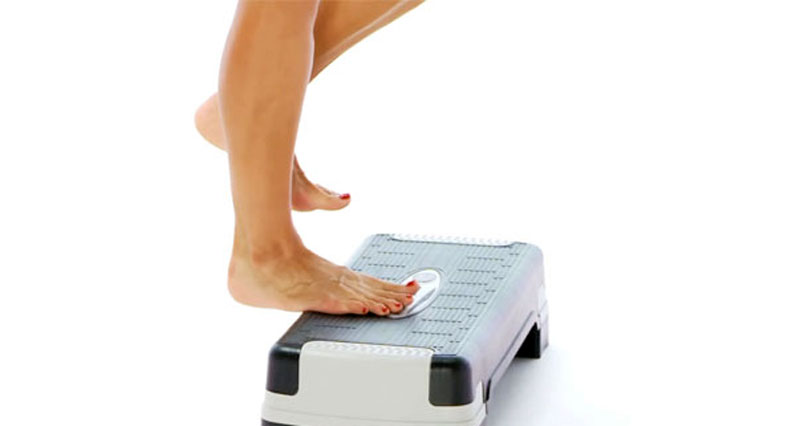
The athlete stands with their back to the therapist, holding onto something for support. The posterior superior iliac spine (PSIS) and a spinous process exactly horizontal to it are marked with a small cross. The therapist places one thumb on the PSIS and the other thumb on the spinous process opposite.
The athlete raises one knee up as high as it will go. If the Sacroiliac joint is functional then the posterior-superior iliac spine will move down under its original position. This means it is allowing the ilia to rotate.
This is shown as the therapist’s thumb (on the PSIS) will move down below the thumb on the spinous process. A dysfunctional SI joint will not allow the ilia to rotate and so the therapist’s thumb will stay where it is or move up.
Ilia Rotation
With the patient lying on their back a modesty towel is placed over the pelvic area. The towel not only provides the patient with privacy but also prevents the therapist’s eyes from being distracted by uneven images created by clothing patterns.
The therapist stands one side of the couch and must lean over the patient and ensure the dominant eye is looking along the midline of the patient whilst the other eye is closed.
This ensures your angle of view is central and not distorted. The therapist then places one thumb on each ASIS and compares their location by looking along the midline between both ASIS, which should indicate they are level.
If one is higher than another this may indicate a pelvic rotation or shunt although bone shapes can vary in individuals and it is common to see differences in ilia shapes between the right and left side.
This can lead to confusion regarding diagnosis but it should be remembered that tests are not definitive and are only a method of gathering information to assist with a diagnosis. The more tests you use then the more information you have.