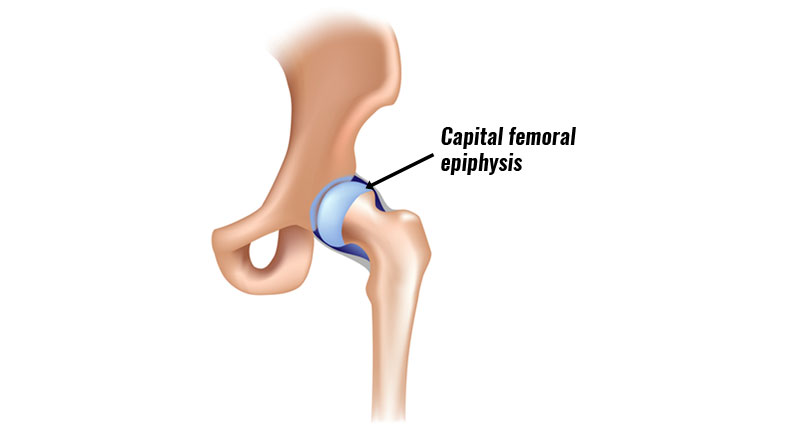
Gilmore’s groin was first identified in 1980 by Consultant Surgeon Mr Jerry Gilmore, as a cause of longstanding, chronic groin pain.
Symptoms
Symptoms of Gilmore’s groin often develop and progress gradually over time and include:
- Groin pain increases by running, sprinting, twisting, and turning.
- After training, you may be stiff or sore.
- The day after training or playing you may experience groin pain when turning or even getting out of a car.
- Coughing and sneezing may also cause groin pain.
“30% of athletes claim they have a sudden onset injury, but the majority indicate it to be a gradual overuse injury.”
Mr. Jerry Gilmore

What is Gilmore’s groin?
It is sometimes called a Sportsman’s Hernia, athletic pubalgia, slapshot gut, or sports hernia. However, a true Gilmore’s Groin has nothing to do with a hernia.
“Is it a hernia? There is NOT a lump and so it is not thought to be a hernia.”
Mr. Jerry Gilmore
Other more suitable alternative names include groin disruption and sportsman’s groin. Gilmore’s groin is common in sports which places a large strain on the groin and pelvic area through twisting and kicking movements. If you play sports such as soccer, football or rugby you are more likely to suffer.
It is quite a complex condition. As a result, it was not fully understood until relatively recently. Many cases are misdiagnosed as a groin strain or a hernia.
Anatomy
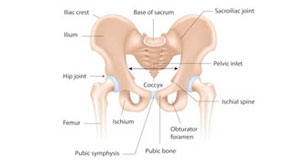
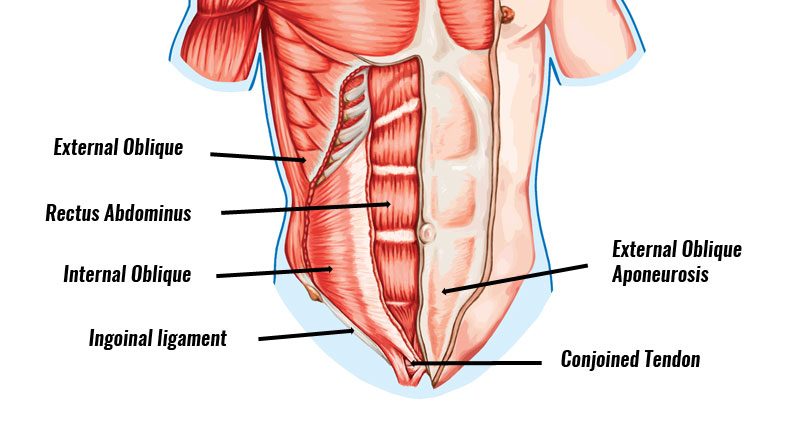
The injury occurs at the junction of the leg and the torso. It involves the area (called aponeurosis) where the abdominal muscles (Internal obliques, External obliques, and Transversus abdominis) converge to form the inguinal ligament.
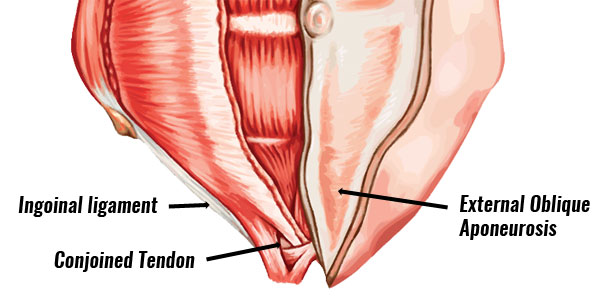
The external oblique muscle has an archway through which several nerves and vessels pass. In Gilmore’s groin, a groin muscle tear causes this archway to open up much wider. Further tears in the oblique muscles cause them to lift up and away from the inguinal ligament. This, therefore, leaves the transverse abdominis muscle unsupported.
Treatment of Gilmore’s groin
Although it is often possible to continue training with a Gilmore’s groin the condition is likely to get gradually worse.
Conservative treatment involves strengthening the muscles of the pelvic region with a focus on core strengthening.
If you suspect you have a Gilmore’s groin, see a sports injury professional and/or surgeon who can make an accurate diagnosis.
Gilmore’s groin surgery
If you have not responded to a thorough rehabilitation program, you may need surgery. This is usually successful.
Following surgery, you can expect a 4 to 6-week rehabilitation period before returning to play. The aim of rehabilitation is to gradually improve the strength and flexibility of the pelvic muscles. In particular, you should avoid sudden twisting and turning movements which may aggravate the injury.
Physiotherapy
Physiotherapy for Gilmore’s Groin has changed throughout the years. Originally only professional athletes would have an operation. This is because they had daily access to a physiotherapist.
The key to recovery after the operation is related to rehabilitation, the key being that the fitter the patient is before the operation, the quicker they will recover.
Core strengthening
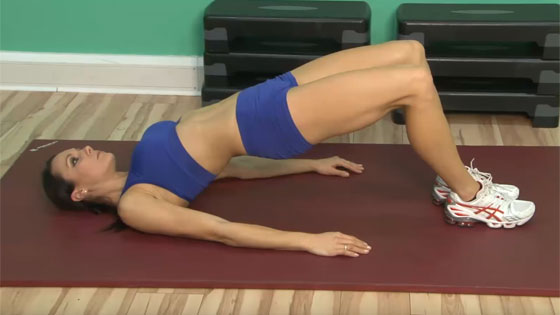
Your core muscles are the ones that need strengthening. These include Transversus abdominis and Multifidus. These act as stabilizing muscles for the trunk and pelvis.
The Transversus abdominis muscle stabilizes the trunk by acting as a natural corset and the Multifidus muscles run along the spine attaching to the vertebrae. It is usual to contract both of these muscles together to increase the stability of the spinal column.
- More on Core strengthening
Groin exercises
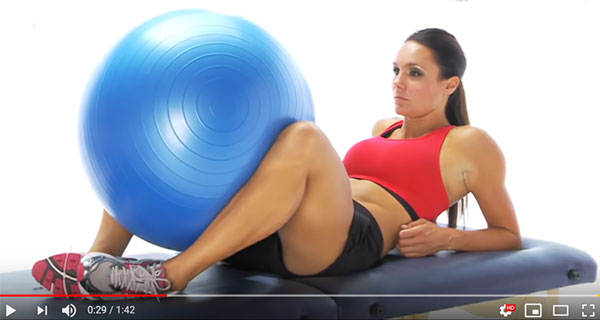
It is also important to strengthen the groin muscles, known as the adductors. There are both short and long adductor muscles and so these exercises should be performed with the knee both straight (long adductors) and bent (short adductors) to work both sets.
Whilst core strengthening is performed initially, these exercises can begin as soon as they are pain-free to perform. Start very gently, allowing plenty of recovery time (2 days initially) between sessions. If there is pain, then stop immediately.
Stretching for Gilmore’s groin should aim to maintain or improve the flexibility at the hip joint as a whole. Therefore it is important to stretch not only the groin muscles but also the hip flexors, hamstrings, and glutes.
- View groin exercises
References
- Interviews with Mr. Gilmore & Mr. Simon Marsh, The Gilmore Groin and Hernia Clinic, 2011