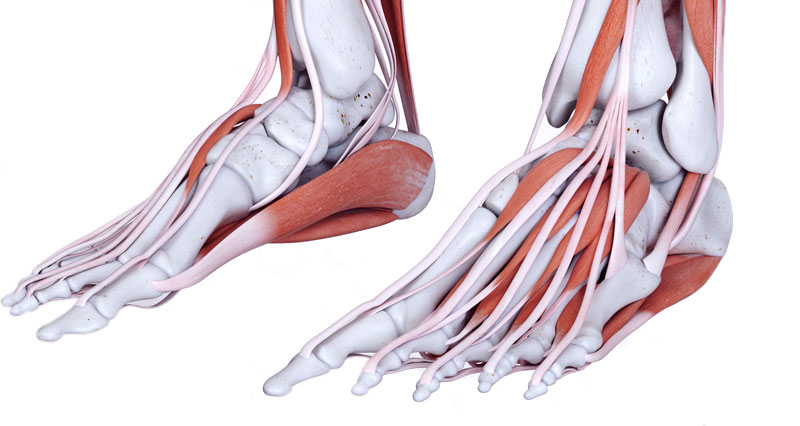
Foot biomechanics is the study of how the foot moves during the gait cycle. You wouldn’t build a house without getting the foundations right, and it is the same with foot biomechanics and sports injuries.
Medically reviewed by Dr. Chaminda Goonetilleke, 20th Jan. 2022
Gait analysis & foot biomechanics
Gait analysis is usually performed by a professional, such as a podiatrist or physiotherapist, although it is now becoming more widespread and readily available with many specialists running and sports shops now gaining the equipment and staff who are trained in gait analysis.
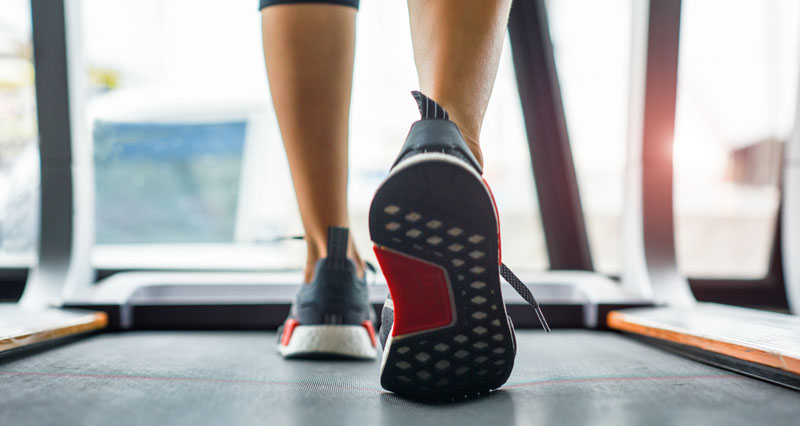
An assessment usually involves walking or running on a treadmill. In some cases the professional will simply watch the way that you move, looking in particular at your feet, ankles, knees, and hips.
In more specialist settings, a video recorder will often be set up behind the treadmill, which will record film of your gait cycle, and often force plate data is used to analyse how the foot contacts with the floor and the timing of contact in more detail.
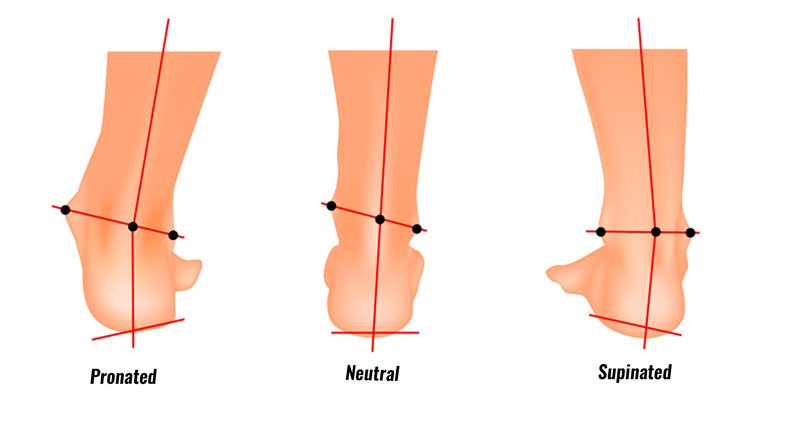
As well as a number of biomechanical abnormalities the professional is looking to see if the foot overpronates (rolls in or flattens) or over supinates (rolls out).
Read more on gait analysis.
Foot biomechanics & overpronation
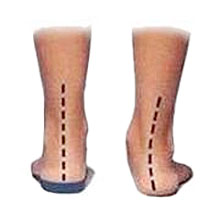
Overpronation is often recognised as a flattening or rolling in of the foot. Pronation occurs naturally as weight is transferred from the heel to the forefoot when walking or running. A certain amount of this is natural and important for absorbing shock but in many people, the foot rolls in too much or overpronates.
This causes the foot to flatten too much, which in turn causes the ankle to rotate inwards, which in turn causes the knee to roll inwards, and so on. This can increase the risk of injury as the Achilles tendon and other tissues have to work harder. Identifying and correcting overpronation is important in preventing lower leg, hip, and back injuries.
Read more on overpronation of the foot.
Foot biomechanics & supination
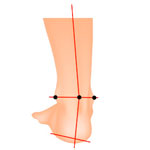
Oversupination is the opposite of overpronation. Here the foot fails to roll in or flatten sufficiently and so is unable to absorb shock and impact forces on the foot. Often athletes who oversupinate will have a high arch and a less flexible foot.
Read more on over supination.
Pes Planus (Flat feet) & Pes Cavus (Clawfoot)
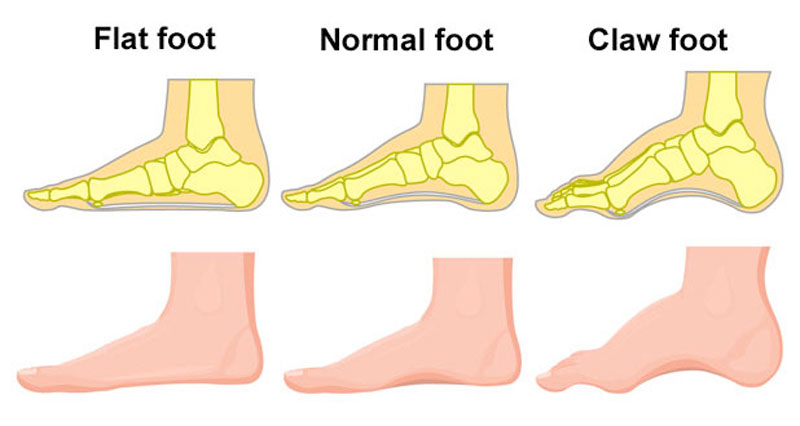
Pes Planus is the term used when an individual has flat feet or fallen arches. This condition is such that the foot appears entirely flat on the floor on the inside. Having flat feet is different from pronation, or overpronation.
Pronation is a normal movement of the foot and is necessary for good foot biomechanics. It occurs just after the heel touches the ground when walking. This means that the foot rolls inwards and the arch lowers. Over-pronation is where too much pronation occurs, or it occurs too rapidly,
A clawfoot or Pes Cavus foot is a genetic defect in the foot with a high arch. Claw feet are relatively inflexible. This will often be associated with very tight calf muscles at the back of the lower leg.
Read more on Pes Cavus & Pes Planus
Foot drop
Foot drop is a symptom rather than a condition or injury. It describes the inability to raise the foot upwards (dorsiflex the ankle) as if pulling the toes up towards the shin.
- A patient with foot drop may drag the foot along the floor when walking.
- Or, in order to combat this, they may raise the hip and knee higher so that the foot clears the ground.
- They may also slap the foot back to the floor once the heel hits the ground as they cannot control the downward motion.
Read more on Foot drop.