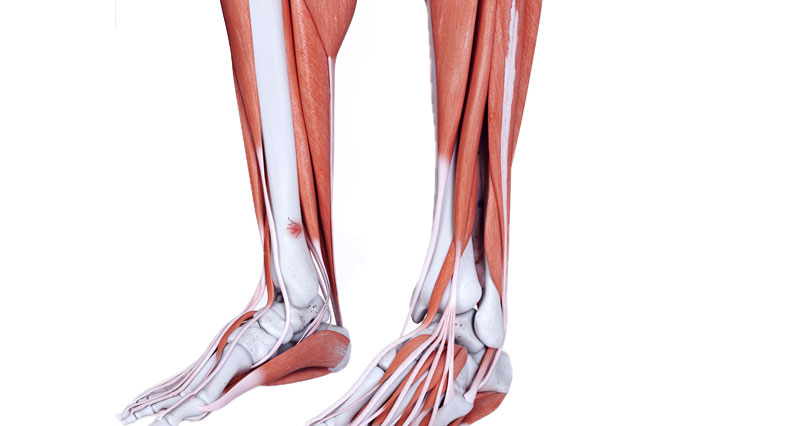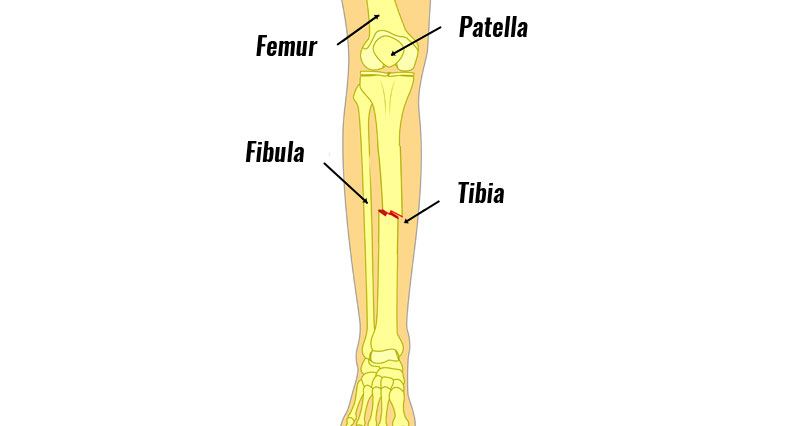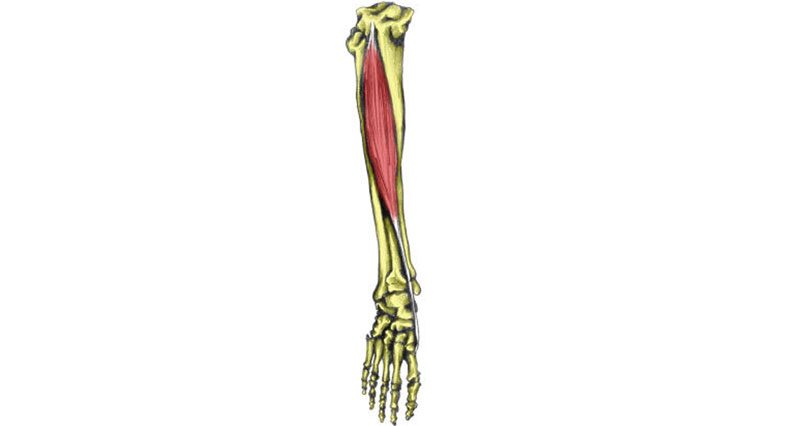
Anterior compartment syndrome (anterior shin splints) occurs when the big muscle on the outside front of the shin becomes too big for the sheath that surrounds it. Acute compartment syndrome (sudden onset) is a medical emergency.
Symptoms
Symptoms of anterior compartment syndrome include:
- Pain on the outside of your shin, specifically on the large muscles called the tibialis anterior.
- You will have weakness in the muscle. Therefore trying to pull your foot upwards may be difficult.
- Stretching the tibialis anterior muscle reproduces symptoms.
- In severe cases ‘foot drop’ occurs. This is where you cannot properly lift your foot up when walking.
What is anterior compartment syndrome?
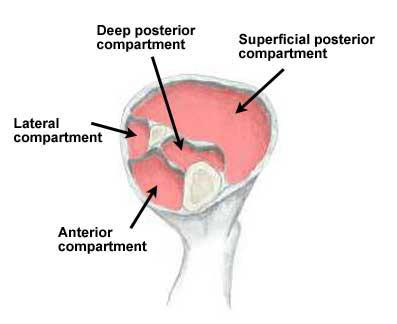
Anterior compartment syndrome occurs when the large tibialis anterior muscle on the outside of the shin swells up too big for the sheath that surrounds it.
Compartment syndromes can be acute (sudden onset), or chronic (gradual onset).
Acute compartment syndrome
This is often a medical emergency and develops quickly. For example, direct trauma to the muscle causes a contusion.
Rapid bleeding or swelling occurs within the muscle sheath. If this is contained within the muscle compartment then the pressure increases causing pain.
If fluids escape the muscle compartment pressure does not build up within the muscle compartment.
Bleeding eventually manifests as bruising below the surface of the skin.
Acute injuries also happen as a result of chronic compartment syndrome flaring up painfully through overuse.
Chronic compartment syndrome
Chronic compartment syndromes develop over a period of time. When muscles are under stress they adapt and grow bigger. Overuse causes muscles to grow too fast for the surrounding sheath to adapt. Therefore, the pressure within the sheath increases resulting in pain.
Rest relieves symptoms in the short term. This is because blood pressure within the muscle reduces. However, the pain returns when you start to run again. Often at exactly the same point in a run or training session.
Anterior compartment syndrome treatment
Severe acute compartment syndrome is a medical emergency. You should seek professional medical attention as soon as possible.
This is especially true if the pain gets progressively worse even if you are not exercising. If you leave it then long-term damage to nerves or muscles can occur due to restricted blood flow.
Rest
For both acute and chronic compartment syndrome rest and applying cold therapy is important. This reduces pain, swelling, and pressure within the muscle sheath.
Chronic injuries may require a prolonged period of rest for a number of weeks. This allows the muscle to atrophy or reduce in size.
Cold therapy
Apply ice or cold therapy and compression for 20 minutes at a time every hour initially until pain and swelling reduce.
Taping
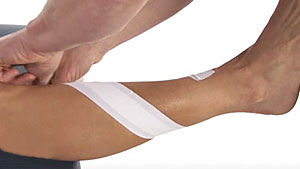
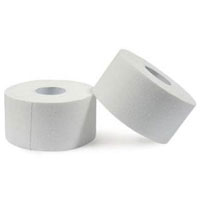
Anterior compartment syndrome taping can provide instant relief from pain by supporting the muscle. Tape your shin whilst it is painful. Later, once your symptoms have gone, apply taping for training sessions only as you return to full fitness.
Medication
Your doctor may prescribe anti-inflammatory medication e.g. Ibuprofen to help with pain and swelling.
Orthotic inserts
If you overpronate then you may benefit from orthotic shoe inserts. This is where your foot rolls in or flattens too much. This causes the tibialis anterior muscle to work harder.
As a result, it increases in size, increasing compartment pressure. Orthotic inserts help correct poor foot biomechanics.
Footwear
Your running gait and type of shoe are important. Worn shoes, or if you have the wrong shoe for your running style, then this makes injury more likely.
- Read more on choosing running shoes for your type of feet.
Surgery
Severe acute cases may require surgery to release the pressure within the compartment. A surgeon will measure the pressure within the muscle sheath itself. Surgery involves making a small cut or two in the muscle sheath. This releases the pressure so your muscle can expand.
Long-term, chronic cases also require surgery.