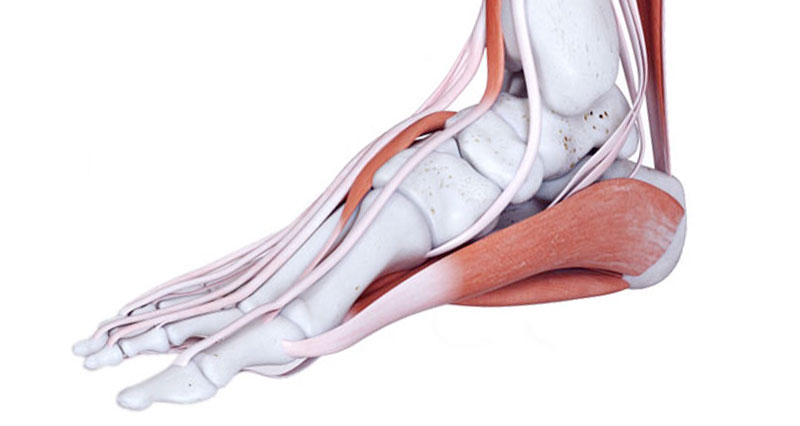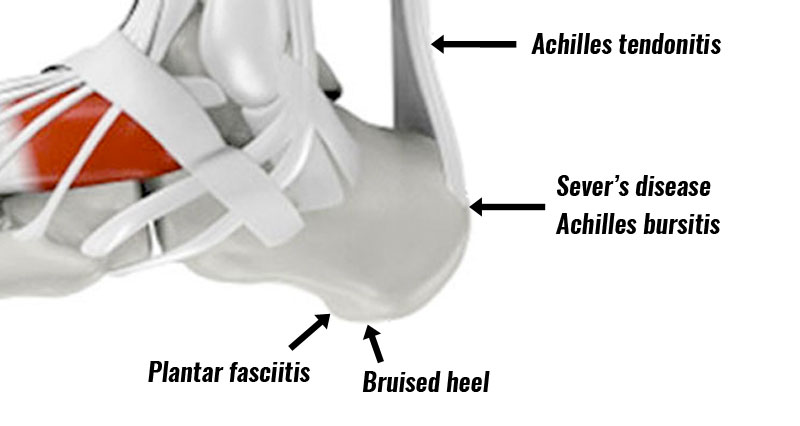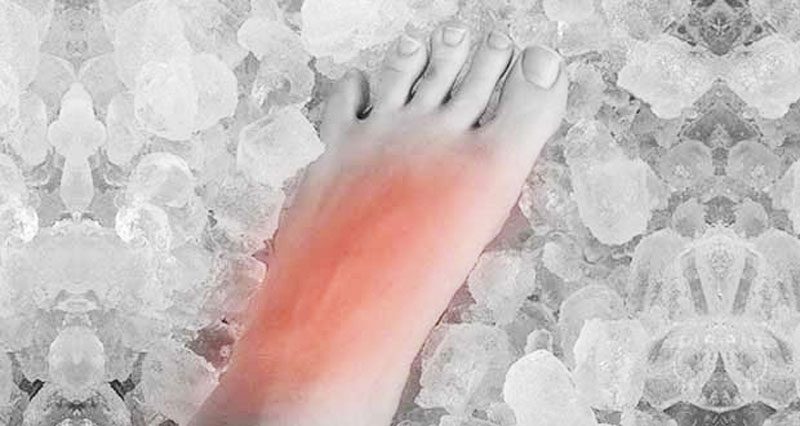
Common injuries causing of pain on top of the foot include Extensor tendinopathy, Navicular stress fracture, Midtarsal joint sprain, Morton’s Neuroma. It is important not to miss such Lisfranc injury which is sometimes missed.
Medically reviewed by Dr Chaminda Goonetilleke, 20th Jan. 2022
Extensor tendonitis/tendinopathy
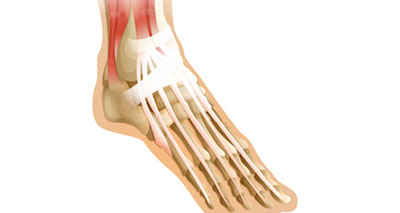
Extensor tendonitis is inflammation of the extensor tendons which run along the top of the foot. A more accurate term is tendinopathy which refers to damage or degeneration of the tendon. It is an overuse injury sometimes caused or made worse by lacing up shoes too tight. Symptoms include:
- Pain over the top of your foot.
- Symptoms will have occurred gradually over time rather than from a single traumatic incident.
- You might complain of an aching pain on top of the foot, made worse with running and improves with rest.
- Swelling or redness over the top of your foot.
- More on Extensor tendonitis

Lisfranc Injury
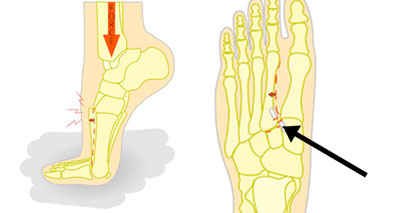
Lisfranc injury is a dislocation or fracture in the midfoot area, and if missed can have serious long-term implications. It occurs in the middle of the foot at the joint where the short tarsal bones meet the long metatarsal bones in the foot. Symptoms include:
- Pain in the midfoot area.
- You will have difficulty putting any weight on the foot.
- In particular, going up onto your toes will be painful.
- There may be some bone deformity visible but not always.
- Swelling is likely on the top of the foot and there will be tenderness over the joint area.
If you suspect a Lisfranc injury or even a midtarsal joint sprain, then seek medical advice immediately.
- More on Lisfranc injury
Midtarsal Joint Sprain
A midtarsal joint sprain is an injury or tear to any of the ligaments holding the midtarsal bones together. The symptoms and severity of a midtarsal joint sprain will depend on which ligaments have been sprained.
- Pain will be felt on the outside middle of the foot.
- There may be swelling on the outside and/or top of the foot.
- Certain movements will trigger pain but the precise location of the pain will depend on which ligaments are injured.
- This injury is rare but can occur in gymnasts, footballers, and jumpers.
With any midfoot sprain or fracture, it is important to consider a Lisfrancs injury which can have serious long-term implications if missed.
- More on Midtarsal joint sprain
Navicular stress fracture
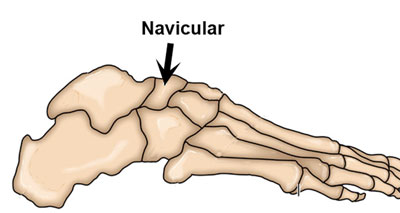
A navicular stress fracture is a hairline fracture of one of the tarsal bones called the Navicular. It is one of the most common stress fractures affecting athletes, especially those in explosive sprinting and jumping-type sports. Symptoms include:
- A poorly localized ache in the midfoot area which gets worse with exercise.
- Pain may radiate along the inside arch of the foot.
- Pressing into the top of the foot over the Navicular bone itself (called the N spot) will be painful and tender.
- More on Navicular stress fracture
Mortons Neuroma
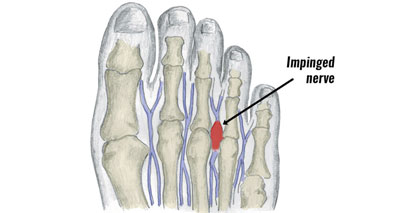
Morton’s neuroma or Morton’s syndrome occurs when a nerve becomes trapped between the third and fourth toes. Symptoms include:
- Pain, numbness, and a tingling sensation over the top of the forefoot.
- Pain is made worse by weight-bearing, particularly up to the toes.
- Symptoms can also be reproduced by squeezing the forefoot to further compress the nerve.
- More on Mortons neuroma
Other causes of top of foot pain:
Ligament Sprains
Spraining the ligaments on the top of the foot, usually from an injury or sudden twisting motion.
Metatarsal Fractures
Fractures of the metatarsal bones, which are the long bones in the foot, can cause pain on the top of the foot.
Dorsal Capsulitis
Inflammation of the joint capsule on the top of the foot, often associated with excessive pressure or trauma.
Tendonitis (Peroneal or Tibialis Anterior)
Inflammation of specific tendons on the top of the foot due to overuse or injury.
Tarsal Tunnel Syndrome
Compression or irritation of the posterior tibial nerve as it passes through the tarsal tunnel can cause pain on the top of the foot.
Ganglion Cysts
These fluid-filled cysts can develop on the top of the foot, causing pain and discomfort.
Arthritis
Inflammatory arthritis or osteoarthritis affecting the joints on the top of the foot can lead to pain.
When should I see a doctor?
If any of the following apply then seek professional medical advice:
If you have severe pain or swelling and are unable to complete normal daily tasks three days after injury.
Or if you have any change in sensation in your foot. For example, numbness, or pins and needles then also seek medical advice.
If you have rested and applied the PRICE principles for two weeks and still have pain or weakness.