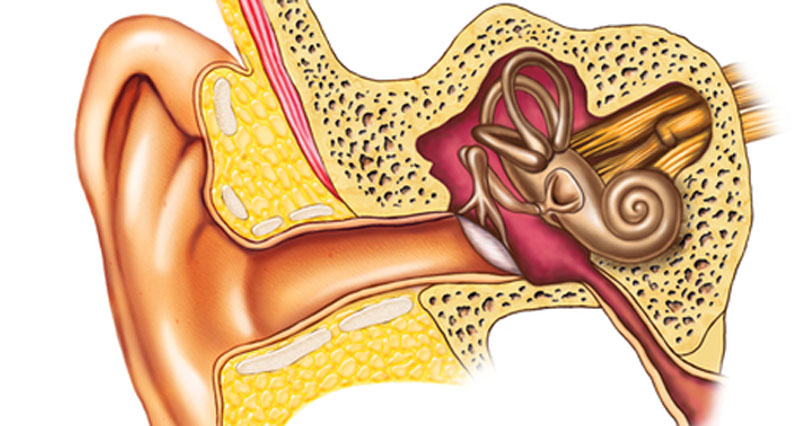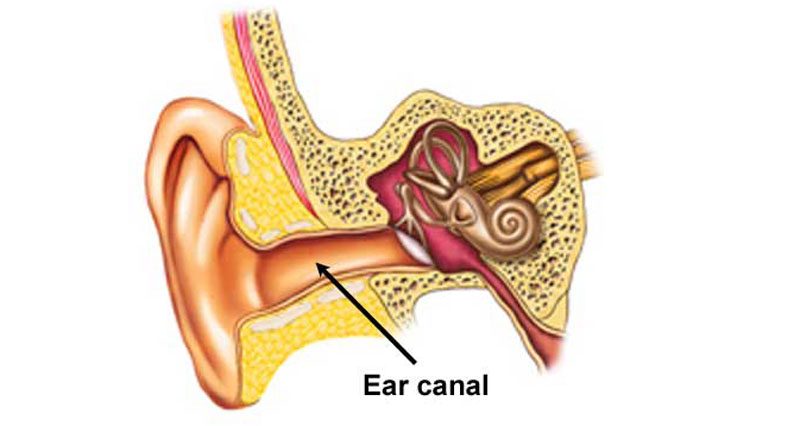
Swimmer’s ear is also known as otitis externa. It is an infection of the skin which lines the ear canal and is common in swimmers. Here we explain the symptoms, causes, treatment, and prevention.
Symptoms
- Symptoms of Swimmer’s ear include earache, redness and itching.
- You may have a discharge from the ear.
- There may be excess wax with possible hearing loss.
- One giveaway sign is pain which is reproduced when pulling down on the earlobe.
Causes of Swimmer’s ear
Swimmers ear is commonly found in those who swim regularly, hence the name! Water trapped in the ear causes the bacteria usually found in the ear to multiply. Inside your ear is an ideal, warm, moist environment that is perfect for bacteria to grow.
Swimming in unclean water increases the risk of getting the condition. Other things can cause the condition, including damage to the ear canal for example cuts or damage from cotton buds, etc, chemicals such as hairspray getting into the ears, and skin conditions such as eczema.
Treatment for Swimmer’s ear
- Early treatment of otitis externa is advised to get the best results and to avoid any further damage.
- Treatment usually involves gently cleaning the ear and ear drops containing a mild acidic substance to kill the bacteria.
- Antibiotics may be prescribed by a Doctor for more severe cases. Antibiotic drops are usually used although oral antibiotics may also be prescribed if the infection has started to spread.
- Checkups will be required to ensure that treatment has been successful.
Preventing Swimmer’s ear
Use plugs when swimming to keep the ears dry. Dry thoroughly after swimming and showering with a hairdryer or clean, dry towel. Do not use cotton buds and avoid chemical substances around the area. Use earplugs or cotton wool balls to stop chemicals from entering.