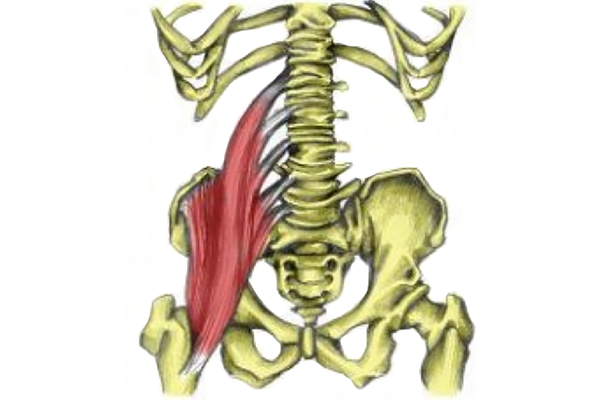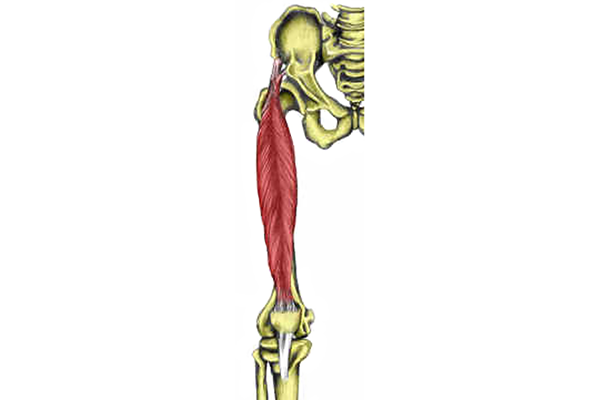
Rectus Femoris Avulsion Fracture

A rectus femoris avulsion fracture occurs where a strong contraction of the rectus femoris muscle pulls the tendon and a small peice of bone away from the attachment point.

Symptoms of a Rectus Femoris Avulsion Fracture

  • Pain at the front of the hip.
  • Pain comes on suddenly, usually after a sudden or forceful movement of the knee or hip.
  • Tenderness when feeling the area of bone at the front, just above the hip.
  • Decreased strength in hip flexion and knee extension.

Causes

The Rectus Femoris muscle is the only of the four quad muscles which crosses both the hip and knee joints. This makes it more susceptible to injury.

An avulsion fracture of the Rectus Femoris occurs after a strong or explosive contraction of the muscle. Alternatively, over-stretching the muscle can cause this injury. This is done by bending the knee with the hip in an extended position (so the thigh is moved backwards).

Avulsion fractures of the rectus femoris attachment point (the long head - AIIS) occur most often in adolescents as this area is one of the last to fully harden to bone, from cartilage. Apophysitis may develop first. This is an inflammatory reaction to repeated stress on the soft bony attachment.

Treatment of a Rectus Femoris Avulsion Fracture

  • If an avulsion fracture is suspected, seek medical attention.
  • An x-ray or MRI scna will be conducted to confirm the diagnosis and determine the size of the fracture and amount of displacement.
  • Most cases can be treated conservatively, similar to that of a rectus femoris rupture.
  • Treatment includes rest, ice and anti-inflammatories which may be prescribed by your doctor.
  • Once pain has subsided, strengthening exercises are recommended to regain full knee and hip strength.
  • Only those injuries where the bone fragment is separated by 3cm or more from the attachment point require surgery.