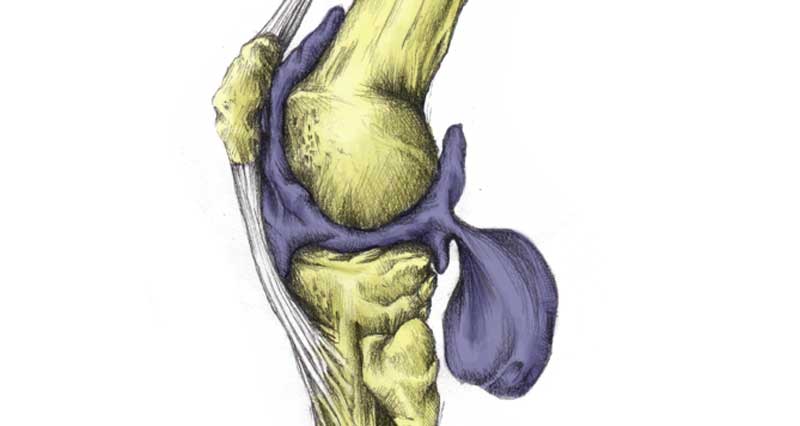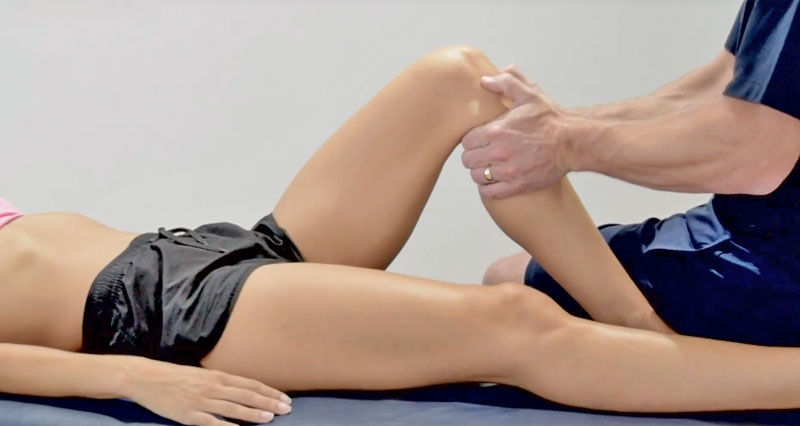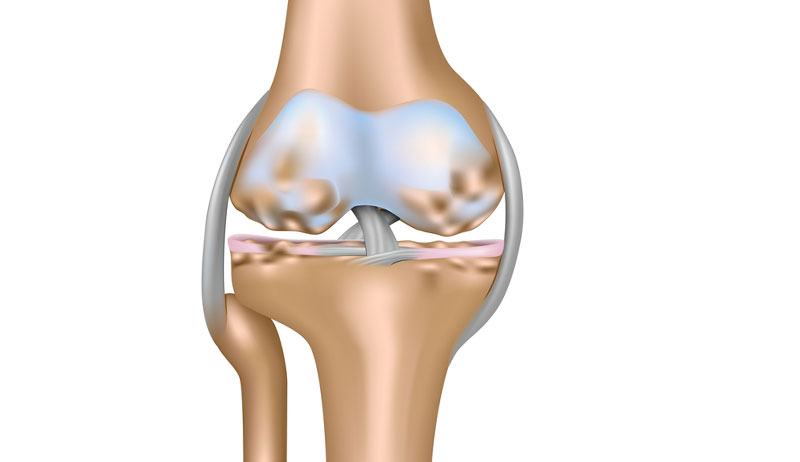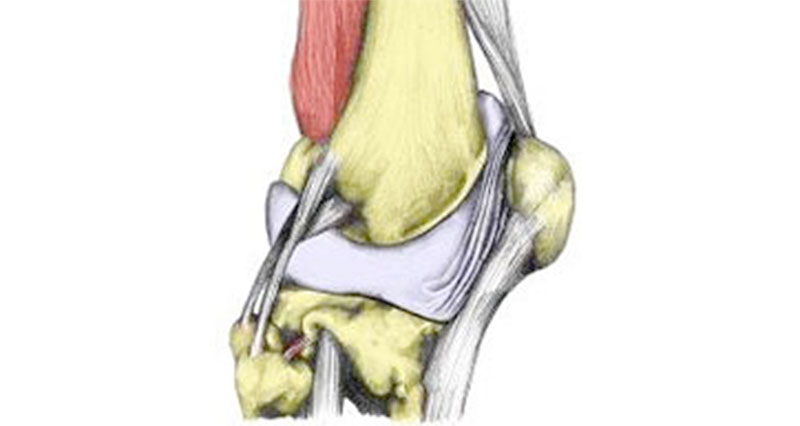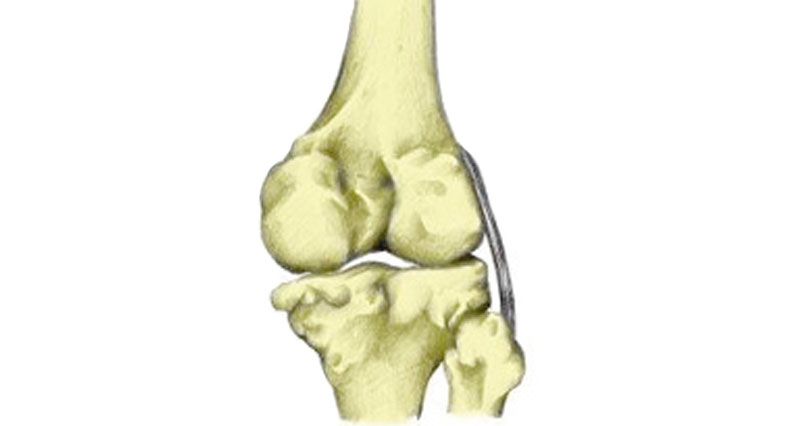
A dislocated knee occurs when the femur (thigh bone) and the tibia (shin bone) move apart. This is different from a patella dislocation where the kneecap only dislocates outwards. It is a far more serious, traumatic injury. Rare in sports, it is more likely to occur following a road traffic accident or similar.
Medically reviewed by Dr Chaminda Goonetilleke, 2nd Jan 2022
Symptoms of a dislocated Knee
A dislocated knee is a sudden very traumatic injury. Signs and symptoms include:
- Sudden severe pain.
- Joint deformity.
- Instant swelling.
- Rapid bruising.
- You will be unable to weight bear at all.
If you have numbness in the lower leg or foot then you may have nerve damage. No pulse in the foot or a pale, cold foot indicates blood vessel damage.
Imaging
An X-ray confirms that the joint is dislocated. An MRI scan is also useful to detect associated soft tissue damage.
It is important to seek medical attention immediately if you have suffered such a traumatic injury as this.

What is a Dislocated knee?
Knee dislocations occur following highly traumatic injuries to the knee. Often road traffic accidents are the cause of such an injury, although they may occasionally happen from sporting tackles or falls.
If you suspect a dislocated knee, then seek medical attention immediately.
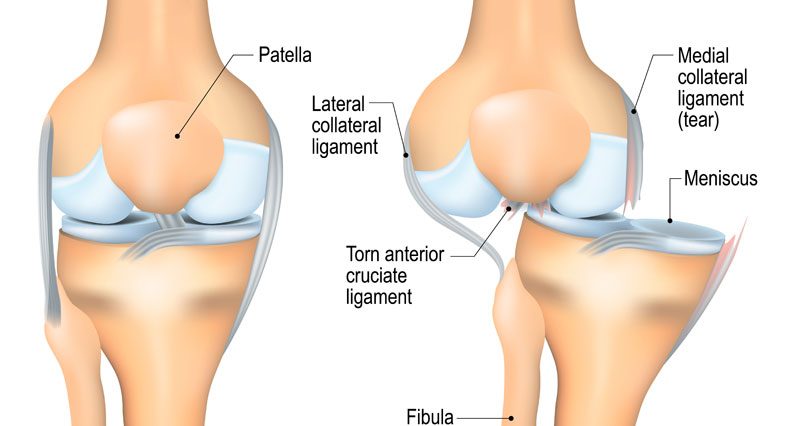
If you have a dislocated knee then you will have soft tissue injuries. For instance, a torn ACL and PCL are likely as damage to the MCL, LCL, and cartilage.
Other complications include nerve and blood vessel damage.
A knee dislocation is different from a subluxation. This is a partial dislocation, where the bones separate slightly and then move back together.
Treatment for a dislocated knee
Apply the PRICE principles of rest, ice, compression, and elevation. A cold therapy compression wrap is ideal. Ice can be applied for 10 to 15 minutes every hour initially reducing the frequency as symptoms reduce.
Your surgeon reduces the joint (puts it back in position). They also check blood vessels and nerves for damage. Surgical reconstruction is usually required to repair torn ligaments and cartilage.
A thorough rehabilitation program is required to regain full knee mobility, strength, and balance.