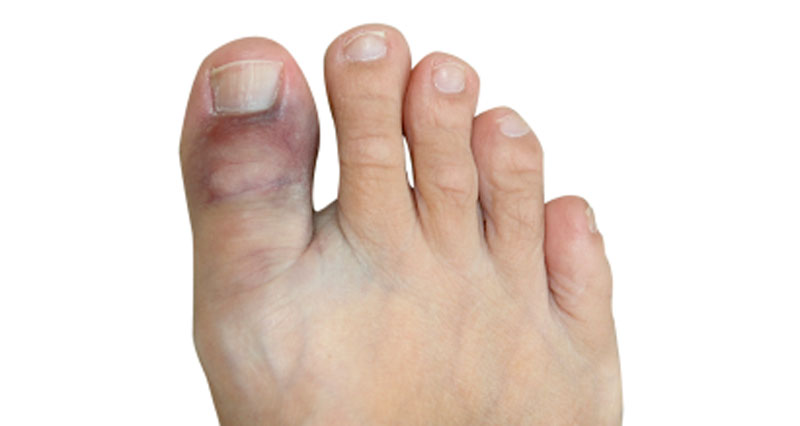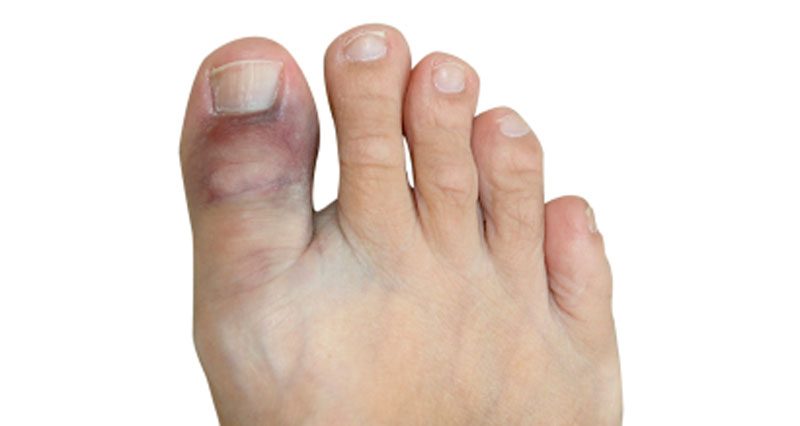
Broken toes can be painful and usually occur as a result of severe impact or trauma. For example, if you stub your toe, get stamped on or drop something on it.
Medically reviewed by Dr Chaminda Goonetilleke, 20th Jan. 2022
Symptoms
Symptoms of a toe fracture include:
- Pain at the time of injury.
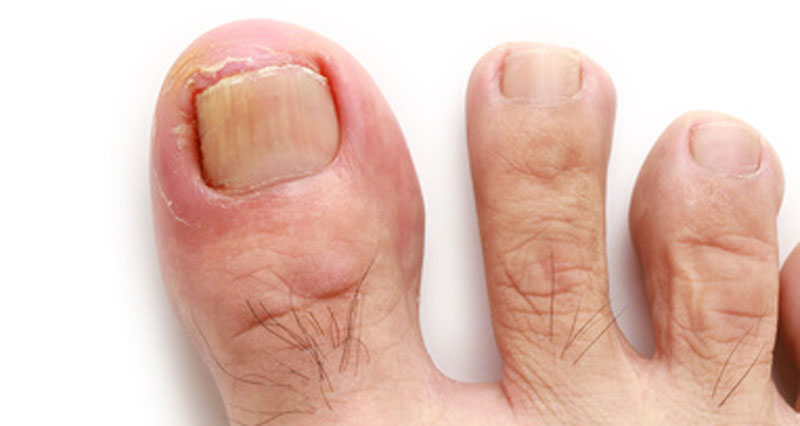
- Your toe may swell up quickly.
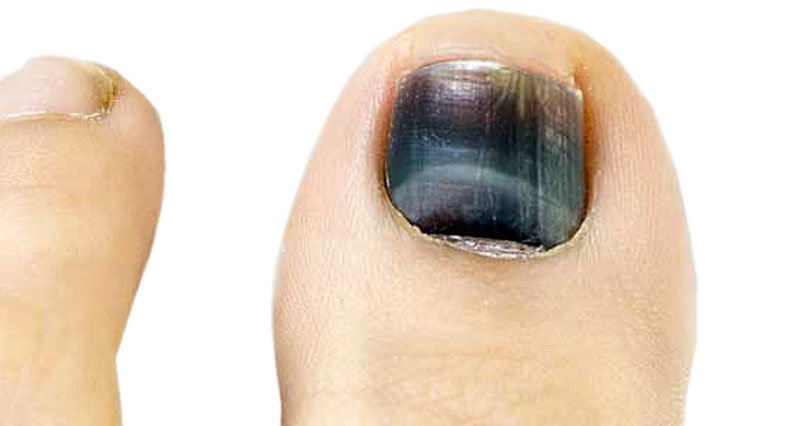
- Bruising may develop, especially if you also have soft tissue damage.
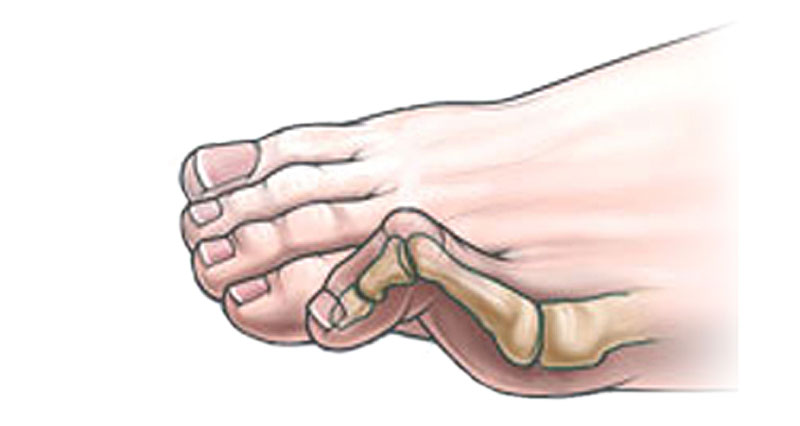
- In severe fractures, your toe may look deformed.
However, often you may not even notice fractures of the smaller toes.

What is a broken toe?
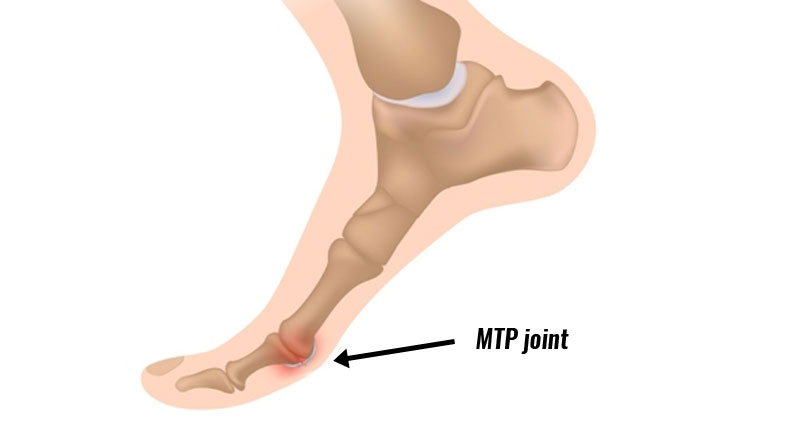
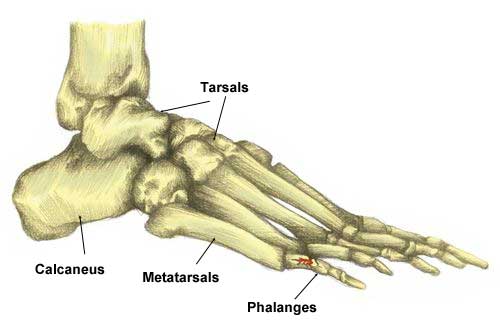
A broken toe is a break or fracture to any of the phalanges bones in the foot. The toes are made up of 14 bones called phalanges, 3 in each of the small toes and 2 bones in the big toe or hallux as it is known.
Fractured phalanges are different from a fractured metatarsal, which is actually in the foot, rather than the toes.
What causes a broken toe?
Fractures to the phalanges usually occur as a result of direct trauma, such as something being dropped on your foot, or even stamping your toes! The Hallux (or big toe) can suffer a stress fracture, which is common in adolescent athletes.

The most common toe fractures are to the big toe (great toe) and broken little toe (pinky toe). This is because these two toes are more exposed and more likely to come into contact with hard objects. The other toes are protected more by the adjacent toes.
A stress fracture occurs gradually over time through overuse.
Treatment
Treatment of a broken toe will often mean rest to start with.
Take the weight off the foot, elevate it and apply cold therapy as soon as possible.
Applying ice to the toe will help relieve the pain and prevent swelling which will delay the healing process.
Fractures to the Hallux (big toe) or more complex fractures may require you to wear a walking boot for 2-4 weeks to protect your foot while it heals.
Alternatively, a buddy taping is done where the injured toe is strapped to the adjacent one.

If you suspect a broken bone then visit your doctor who may refer you for an X-ray to confirm the diagnosis. However, often a minor fracture in one of the smaller toes will not require any treatment.