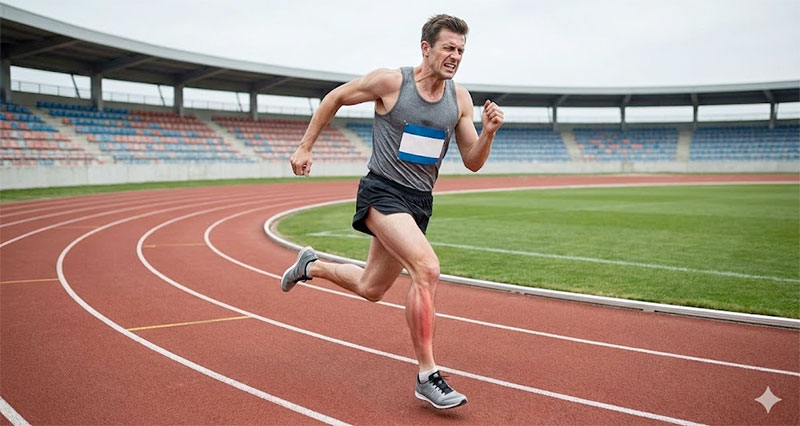
Shin splints (medial tibial stress syndrome) are one of the most common running injuries, resulting in chronic pain on the inside of the lower shin. Once it sets in, it can be stubborn to treat; therefore, preventing it in the first place is the best cure! Here are my top tips for preventing shin pain when running.
Wear the right shoes
Selecting the right footwear for your foot type and gait is essential. In particular, if you overpronate (where your foot rolls in and the arch flattens then you have a much higher chance of shin splints. Visit a specialist running shop for advice and have your gait assessed. Overpronators often benefit from motion control shoes, which have firmer cushioning on the inside of the midsole to help prevent their feet from rolling in. If you have a very rigid, high-arch foot, then you likely benefit from a neutral shoe with plenty of cushioning.
If you are a sprinter and spend a lot of time on your toes, then a more rigid spiked shoe could reduce the work the supporting muscles do. As a result, repetitive strain on the muscles is less, avoiding pain and inflammation.
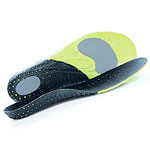
However, it isn’t just about selecting the right footwear when training! Amateur runners spend far more hours in their work shoes or through daily walking than they do in running shoes. Wearing more supportive, orthotic-type insoles in everyday shoes is equally as important.
Early warning signs
Pay attention to early warning signs. Obviously, if your shins begin to feel a little sore, then reduce training load and apply treatment methods. However, you can spot potential shin pain before you feel it running.
- Feel the inside of the lower tibia – Press in gently along the inside of your shin bone. If it is tender to the touch along the bone, then you are already showing symptoms.
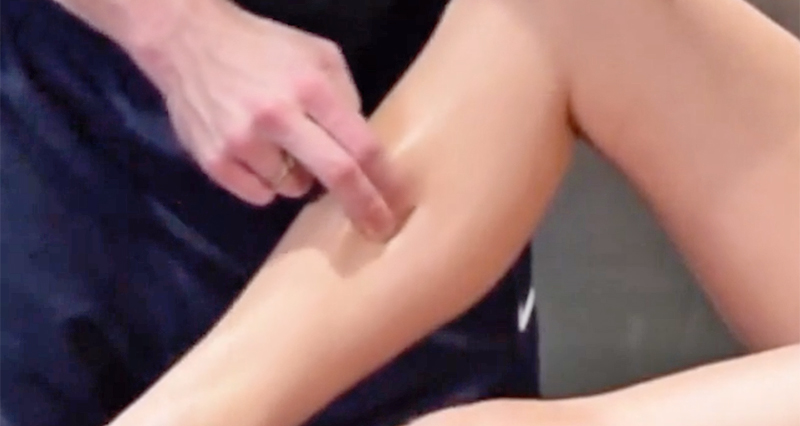
- Press into the muscle on the inside and behind the bone – If you feel tight lumps and bumps in the muscle, then this is also an early warning sign you might spot before the bone itself becomes inflamed.
- Calf muscle flexibility – If you have tight calf muscles, then long-term, this is also a potential predictor of shin splints.
If you notice any early warning signs, reduce your training volume and intensity. Apply ice or cold therapy 3–4 times per day, especially after training. If you are particularly motivated, apply heat for 10 minutes before training to warm up, relax and loosen the lower leg muscles.
Training
The golden rule for distance runners is to increase training volume by no more than 10% per week. Avoid running all your sessions on hard surfaces such as roads or treadmills. These also have the effect of magnifying repetitive strain as each stride is the same. When you run on more uneven surfaces, such as cross-country grass, the variation means your muscles are engaged very slightly differently as you run.
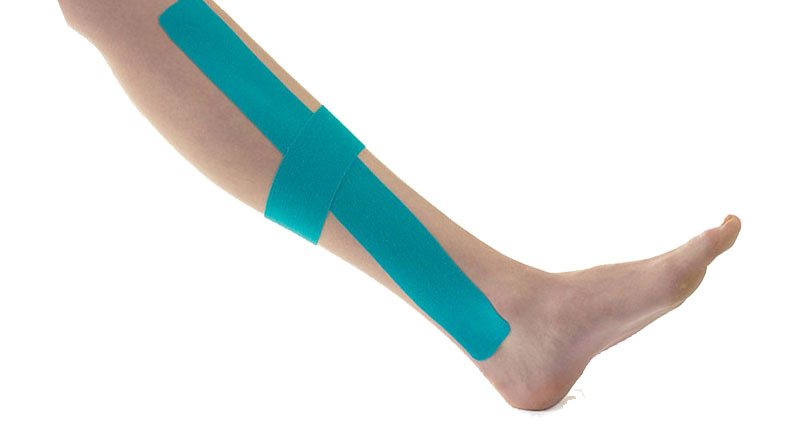
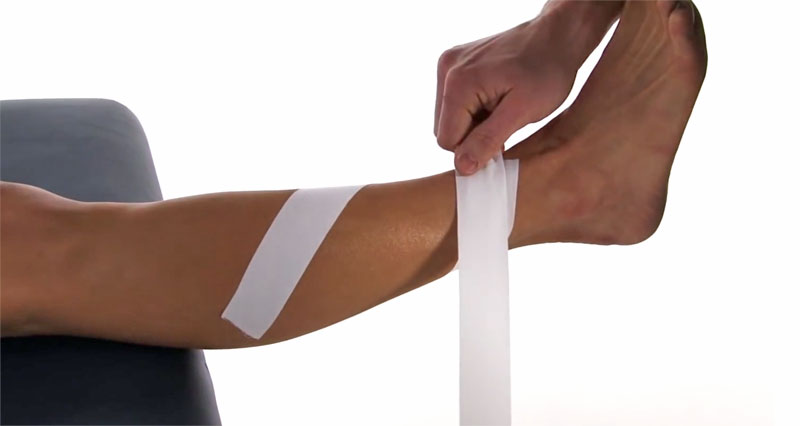
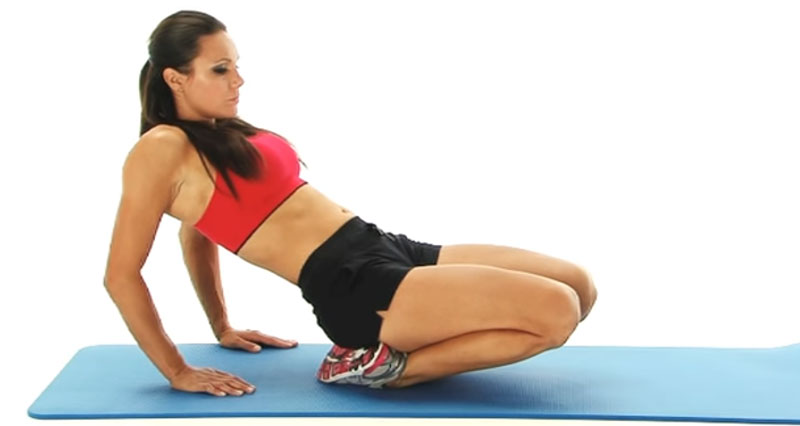
Track runners who run many high-speed sprint repetitions on their toes often get very painful shin splints. Build up volume gradually. Stretch the calf muscles in particular after training. Apply ice after intense speed sessions to reduce or prevent inflammation. The same applies to plyometric training, such as hopping and bounding. Taping for shin splints is a very effective way of reducing shin splint pain while recovering, but you can also tape up for protection, especially if your training load or intensity is high.
Massage
Massage the calf muscles at the back of the tibia to release any tight knots, lumps and bumps. If the muscles are in good condition, then they are stronger and work more efficiently. Just 5 to 10 minutes a couple of times a week will help. Massage in small circles, or gentle cross-frictions. However, do not go too deep and definitely stay away from the surface of the bone itself. This is because massage along the bone itself is likely to increase inflammation and pain.
Summary
With the right footwear, gradual training progression, good flexibility, and regular soft tissue care, most shin splints can be prevented.