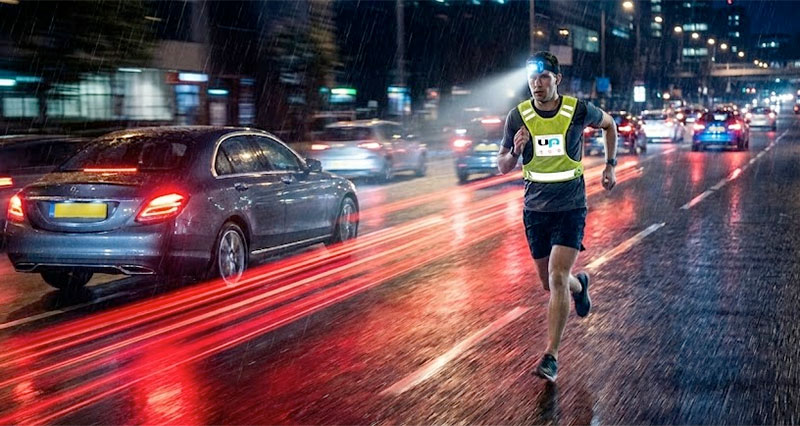
Running at night can be peaceful, convenient, and a great way to stay consistent through the winter months. However, it also comes with real risks that runners often underestimate. While most running injuries come from training load, the most serious and life-changing ones tend to involve cars.
Here are the essential rules every runner should follow to stay safe when training in the dark.
Running at night facts
Even though statistics don’t separate runners from other pedestrians, the data still applies directly:
- In 2022, 385 pedestrians were killed and over 13,000 were injured on UK roads.
- 66% of fatalities happened in urban areas, where most runners train.
- Many serious collisions occur in late afternoon and early evening, exactly when visibility is lowest.
- Pedestrians struck in the dark are around 5x more likely to be killed than those hit in daylight.
- Drivers often don’t see a pedestrian until they are 25–30 metres away at night — nowhere near enough stopping distance.
- Winter increases risk further: slip-and-fall rates on icy surfaces can rise by up to 32×.
The takeaway: darkness + winter conditions = a dramatically higher-risk environment for runners.
Top Tips for Running at Night
Follow these simple rules to reduce the chance of prematurely ending your running career:
1. Wear Reflective Gear
Make yourself impossible to miss. Reflective vests, ankle bands and LED accessories can increase visibility to 200 metres or more, giving drivers far more reaction time.
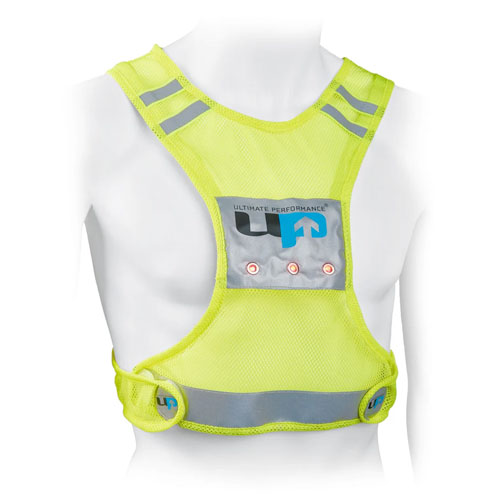
Buy Reflective Running Gear at 1000Mile.co.uk (UK)
2. Run Against the Traffic
Face oncoming vehicles so you can spot danger early. If approaching a blind bend without a footpath, step onto a verge or pavement — don’t stay on the road.
3. Use a Head Torch for running at night
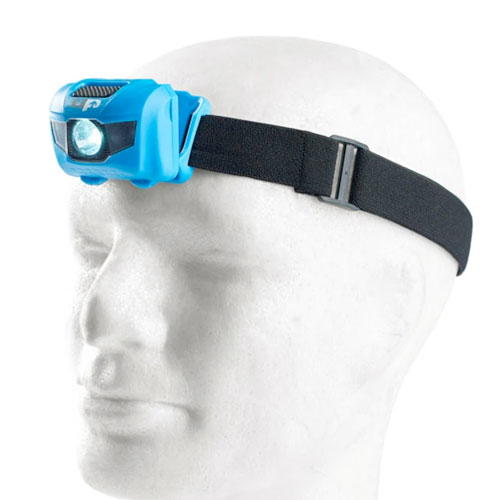
Buy Runners Head Torch at 1000Mile.co.uk
A headlamp helps you see hazards and makes you more visible. Modern LED head torches are light, bright and rechargeable. As a result, ideal for darker months.
4. Choose Well-Lit Routes
Stick to areas with good street lighting whenever possible. Avoid dark, isolated paths where visibility is poor and you’re harder for both drivers and other people to see.
5. Avoid Headphones (or Use One Ear Only)
Night running demands awareness. Headphones mask the sound of approaching vehicles, cyclists, or other people. Hats and hoodies can also block peripheral vision, making it difficult or impossible to see people or cyclists approaching from behind. Choose running gear that keeps your senses sharp.
6. Run With a Buddy or Group if running at night
Visibility improves when you’re in a group, and you’re safer overall. If you prefer solo runs, let someone know your route and when you expect to be back.
7. Stick to Pavements and Paths
Use pavements, parks, or running trails where possible.
Road running in the dark increases the chance of collisions, especially when drivers’ visibility is already reduced.
8. Carry ID and a Phone
Use a running armband or ID tag so you can be identified if something happens. A phone is vital in case you or someone else needs help.
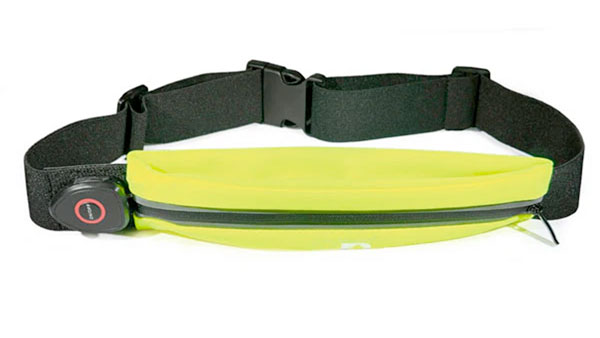
Buy Runners Belts & Waist Packs at 1000Mile.co.uk
9. Wear Bright, Fluorescent Colours
Reflective gear works when it’s hit by headlights — but fluorescent colours help you stand out before it’s fully dark.
Final Thoughts
Night running doesn’t have to be risky, but it does require a smarter approach. When you combine low light, reduced driver visibility and winter road conditions, the danger rises sharply. By using the right gear, choosing smart routes, and staying alert, you can enjoy safe, consistent training all year round.
External links:
- Buy Reflective Running Gear at 1000Mile.co.uk