High Ankle Sprain
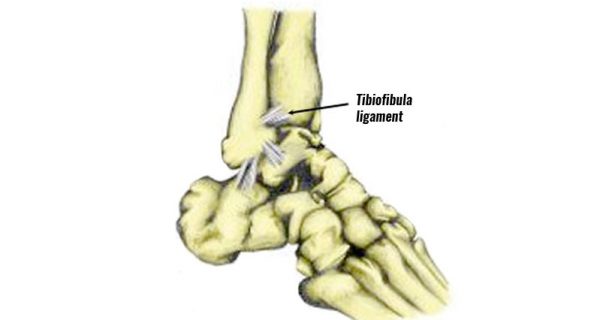
A high ankle sprain is also known as a Syndesmosis injury. It is a tear of the anterior tibiofibular ligament which joins the tibia and

Ankle swelling, or ankle edema, results from various causes. The type of ankle swelling often provides clues to the underlying condition. Here are different types of ankle swelling:
Pitting edema is a type of swelling that occurs when you press a finger into the swollen area, and an indentation or “pit” remains after you remove your finger. This is a common sign of fluid retention, often seen in conditions such as heart failure, kidney disease, and venous insufficiency.
Non-pitting edema is swelling that doesn’t leave a pit or indentation when you apply pressure. It is associated lymphedema, a chronic condition characterized by the accumulation of lymphatic fluid.
Swelling that occurs in both ankles at the same time. This can be due to systemic conditions like heart failure or kidney disease.
Swelling that affects only one ankle. Unilateral ankle swelling can be caused by local issues, such as trauma, deep vein thrombosis (DVT), or an insect bite.
Sudden onset of ankle swelling, often seen in conditions like trauma, DVT, or acute allergic reactions.
Long-term or persistent swelling, often seen in conditions like chronic venous insufficiency, lymphedema, or certain liver diseases.
Swelling that is related to inflammation, such as in the case of arthritis or an inflammatory joint condition.
Ankle swelling related to heart conditions, like congestive heart failure, where the heart’s pumping ability is compromised, leading to fluid retention.
Swelling caused by kidney dysfunction, where the kidneys do not effectively filter excess fluid and waste from the body, leading to fluid buildup.
Swelling due to venous insufficiency, where the veins in the legs do not efficiently return blood to the heart, causing fluid to pool in the lower extremities.
Swelling associated with lymphatic system dysfunction, such as lymphedema, which results from an impaired ability to drain lymphatic fluid.
It’s important to note that ankle swelling can be a symptom of various medical conditions. If you experience ankle swelling, especially if it is sudden, severe, or associated with other symptoms like chest pain or shortness of breath, it is advisable to seek medical evaluation and guidance to determine the cause and appropriate treatment.
A high ankle sprain is also known as a Syndesmosis injury. It is a tear of the anterior tibiofibular ligament which joins the tibia and

A Pott’s fracture is a specific type of ankle fracture involving one or more of the bony parts of the ankle, known as the malleoli.
Pott’s Fracture (Broken Ankle) Read More »
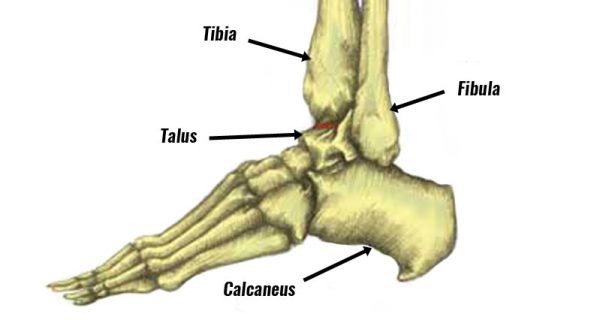
A dislocated ankle is a severe injury which usually happens in conjunction with a fracture or complete rupture of the lateral ankle ligaments. They are
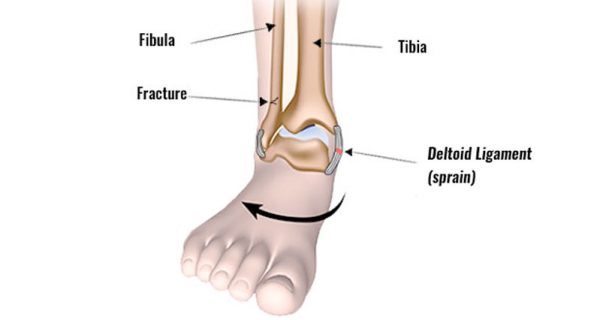
An eversion ankle sprain, medial ankle sprain, or deltoid ligament sprain is a tear of the ligaments on the inside of the ankle. It is
Eversion Ankle Sprain | Medial Ankle Sprain Read More »
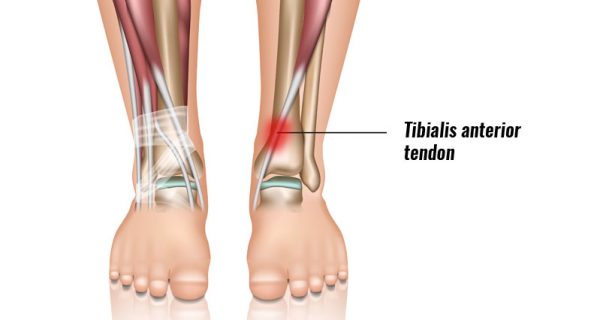
Tibialis anterior tendonitis or Tibialis anterior tendinopathy is an overuse injury causing pain and stiffness at the front of the ankle. The tibialis anterior is
Tibialis Anterior Tendonitis Read More »
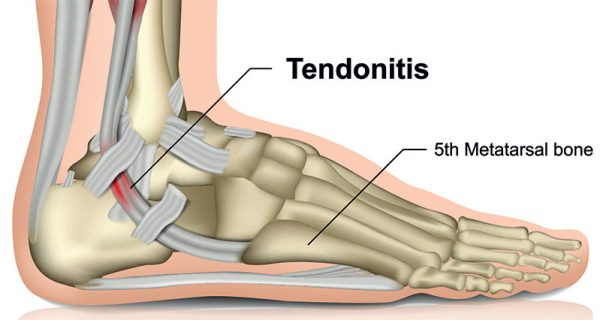
Peroneal tendonitis is a common overuse injury causing pain on the outside of the ankle. It usually develops gradually, particularly in runners and athletes, when
Peroneal Tendinopathy (Peroneal Tendonitis) Read More »
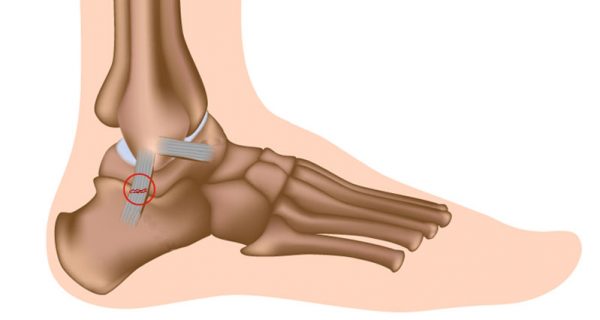
A sprained ankle is one of the most common injuries in sports. It occurs when the ligaments supporting the ankle are stretched or torn, usually

An ankle avulsion fracture occurs when a tendon or ligament tears, pulling a small piece of bone with it. The symptoms are similar to an
Ankle Avulsion Fracture Read More »
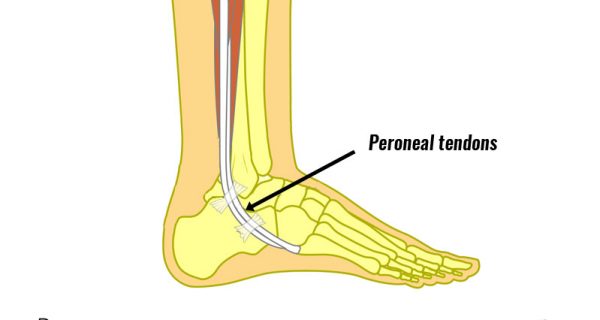
Peroneal tendon dislocation causes pain on the outside of the ankle. Repeated dislocation or slipping of the peroneal tendons over the outside of the ankle
Peroneal Tendon Dislocation Read More »
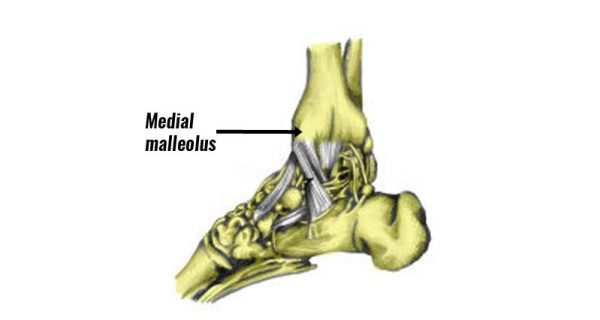
The medial malleolus is the bony bit on the inside of the ankle. A stress fracture of the medial malleolus is rare, causing gradual onset
Medial Malleolus Stress Fracture Read More »
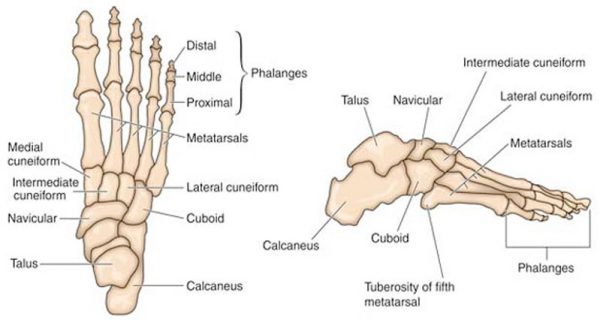
The talus bone is the bone at the top of the ankle which the tibia or shin bone sits on. A stress fracture of the
Stress Fracture of the Talus Read More »

Osteochondral lesions of the talus are fractures of the cartilage on top of the Talus (ankle bone). Often occurring with a sprained ankle, it sometimes
Osteochondral Lesions of the Talus Read More »