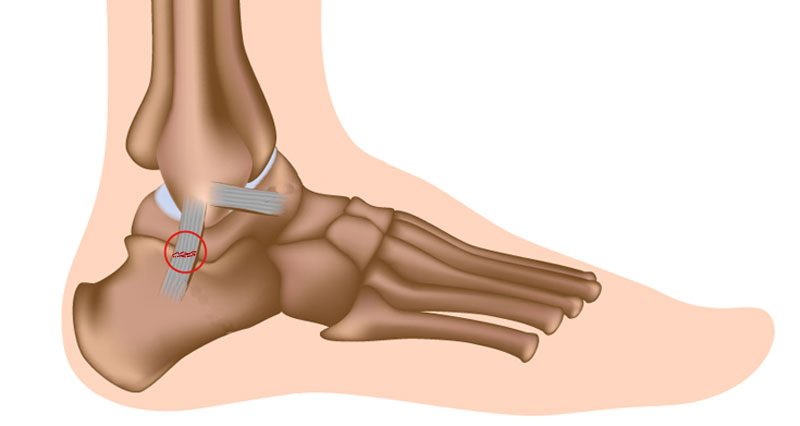
Stress fractures occur gradually over time from overuse.
Anatomy
The Tarsal bones are seven bones in the middle of the foot and consist of the Calcaneus, Cuboid, Navicular, Talus, and three Cuneiform bones. They connect to the long metatarsal foot bones.
Common injuries are:
Navicular stress fracture
A Navicular stress fracture is one of the most common stress fractures. Symptoms include:
- A poorly localized ache in the midfoot which gets worse with exercise.
- Pain may radiate along the inside arch of the foot.
- Symptoms go away quickly with rest, only to return again as training resumes.
- Tenderness may be felt when pressing into the top of the foot.
Read more on Navicular stress fracture.
Cuboid stress fracture
Stress fracture of the cuboid bone is rare. It occurs from being compressed between the Calcaneus (heel bone) and the forth and fifth metatarsal bones. It is often missed when diagnosing midfoot pain because symptoms can be vague. Stress fractures are unlikely to show up initially on X-ray. But an MRI may show a Cuboid stress fracture.
Treatment consists of non weight bearing rest for between 4 and 6 weeks, followed by a gradual return to full fitness.
Cuniform stress fracture
Cuniform stress fractures are exceptionally rare Tarsal fractures. They are caused by overuse. Treatment for a medial (on the inside) Cuniform stress fracture is non weight bearing, or partial weight bearing rest. If the middle cuniform bone is affected then it will need Surgery to fix in place in order for it to heal properly.