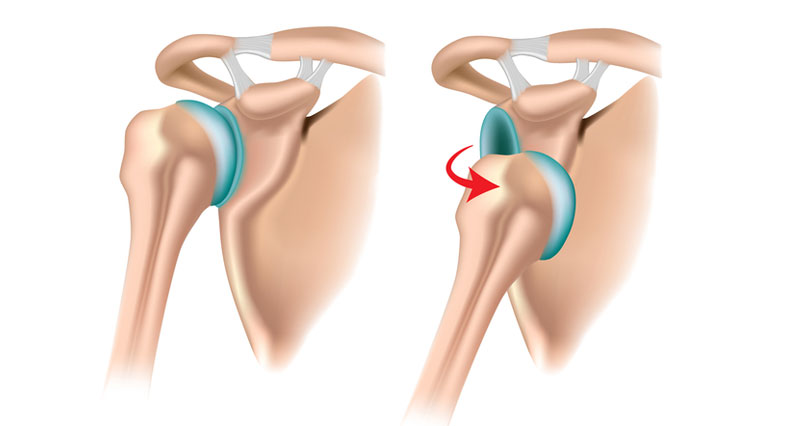
A study found that male children aged 14 years and older face the highest risk of recurrent shoulder instability following a first-time traumatic anterior shoulder dislocation.
Researchers carried out a meta-analysis of six retrospective cohort studies of varying quality. The findings identified several key risk factors, including age, sex and the stage of physis closure. These factors influence the likelihood of recurrent instability in children and adolescents.
The results suggest that older adolescents, particularly males, are at greater risk of recurrence. This may relate to skeletal maturity and higher levels of physical activity. The stage of growth plate (physis) closure may also play a role in determining shoulder stability after injury.
Recurrent shoulder instability can lead to ongoing symptoms and may affect long-term shoulder function. Therefore, identifying higher-risk individuals is important when managing first-time dislocations.
The authors suggest that further research, particularly blinded prospective cohort studies, is needed. This will help clinicians better understand how to manage first-time traumatic anterior shoulder dislocation in this age group and reduce the risk of recurrence.
British Journal of Sports Medicine Sep 2016, 50 (18) 1135-1141; DOI: 10.1136/bjsports-2015-095149. Auckland University of Technology, Private Bag 92006, Auckland 1142, New Zealand.