
Deep Vein Thrombosis (DVT)
Deep Vein Thrombosis or DVT is a blood clot in a vein. It is most common in the calf muscle area, particularly following surgery and
Deep Vein Thrombosis (DVT) Read More »

Here we have a list of injuries which have the symptom of aching pain in the calf muscle. An aching calf muscle can be anything from a minor strain to DVT so if in doubt get professional advice.
A DVT or deep vein thrombosis is a blood clot which if missed can cause serious injury (or worse). The main symptom is a constant aching pain in the calf, deep in the muscle. If you suspect a DVT then seek medical advice as soon as possible. Never massage a DVT as it may dislodge and travel through your blood vessels to the heart.
Compartment syndromes occur when pressure inside a muscle builds up. Acute compartment syndromes which come on suddenly have progressively worsening aching calf pain. They may be caused by bleeding within the muscle. If you suspect a chronic compartment syndrome then seek medical attention immediately. Aching in the calf muscles which occurs during a run could be a chronic compartment syndrome caused by the muscle becoming too large for the sheath surrounding it.
A fibula stress fracture is a hairline crack in the bone. Symptoms develop gradually over time as a result of overuse.
Calf strains are the most common cause of pain in the calf muscles.
Deep Vein Thrombosis or DVT is a blood clot in a vein. It is most common in the calf muscle area, particularly following surgery and
Deep Vein Thrombosis (DVT) Read More »

A fibula fracture is a break of the fibula bone in the lower leg. It is either a sudden onset acute fracture or a gradual

Posterior compartment syndrome occurs when pressure builds up within one of the muscle compartments of the lower leg. Increased pressure reduces blood flow and can
Posterior Compartment Syndrome Read More »
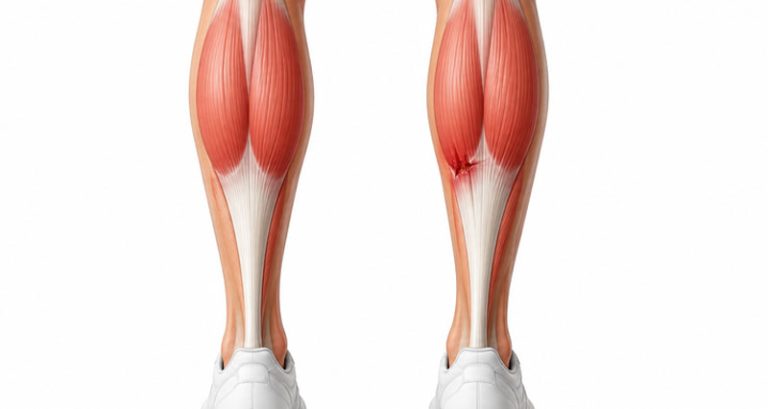
A calf strain is a tear in one or more of the muscles at the back of the lower leg. It commonly occurs during sprinting,

Lateral compartment syndrome occurs when the muscles swell too big for the surrounding sheath causing lower leg pain. It can be acute (if caused by
Lateral Compartment Syndrome Read More »