
Internal Rotation Test (Ankle)
The internal ankle rotation test assesses the integrity of the ligaments involved in a high ankle sprain. Specifically, it aims to reproduce symptoms from a
Internal Rotation Test (Ankle) Read More »

The internal ankle rotation test assesses the integrity of the ligaments involved in a high ankle sprain. Specifically, it aims to reproduce symptoms from a
Internal Rotation Test (Ankle) Read More »

The external ankle rotation test is used to diagnose high ankle sprains by evaluating pain responses and joint stability. What is a High ankle sprain?
External Ankle Rotation Test Read More »

The Squeeze Test for high ankle sprain is a diagnostic method that specifically assesses the integrity of the ligaments between the tibia and fibula, helping
Squeeze Test (High Ankle Sprain) Read More »

The Talar tilt test assesses the stability of the ankle joint, specifically the calcaneofibular ligament (CFL) which connects the calcaneus (heel bone) to the fibula.

This test assesses the flexibility of the soleus muscle, which along with the gastrocnemius makes up the calf muscles. How to test the flexibility of
Soleus Muscle Flexibility Read More »
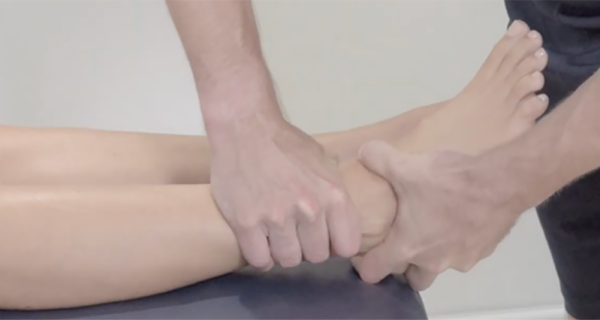
The anterior drawer test checks the health of the anterior talofibular ligament (ATFL), a key ligament that helps keep the ankle joint stable. In particular,
Anterior Drawer Test For The Ankle Read More »

Thompson’s test helps diagnose a torn or ruptured Achilles tendon. Sometimes it is difficult to tell if you have a complete rupture of the Achilles
Thompson’s Test For Achilles Tendon Rupture Read More »