
Knee Pain
Knee pain can occur suddenly through injury or develop gradually through overuse. The most effective way to identify the cause is by understanding where your pain is located and how it started.
Not sure what’s wrong with your knee?
Try our quick Knee Symptom Checker
Inside of the shin (Medial Shin Pain)
Browse the most common causes of pain on the inside of the shin. The term shin splints often refers to Medial Tibial Stress Syndrome.
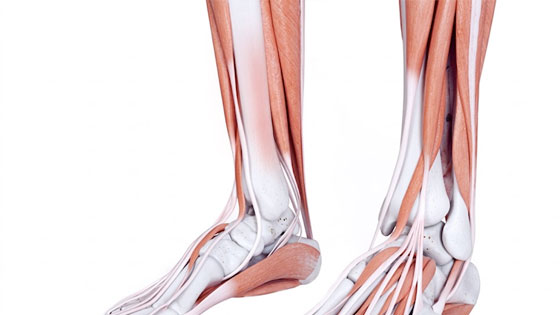
Medial tibial stress syndrome
The most common cause of pain on the inside of the shin. Symptoms include gradual onset pain on the inside of the lower part of the tibia (shin bone).
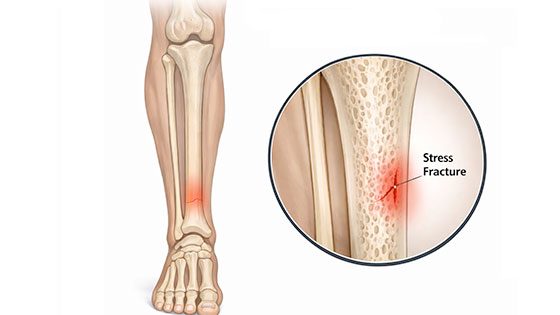
Tibia Stress Fracture
A Tibia stress fracture is a hairline fracture of the bone caused by overuse. Symptoms are similar to medial tibial stress syndrome with pain along the inside of the shin.
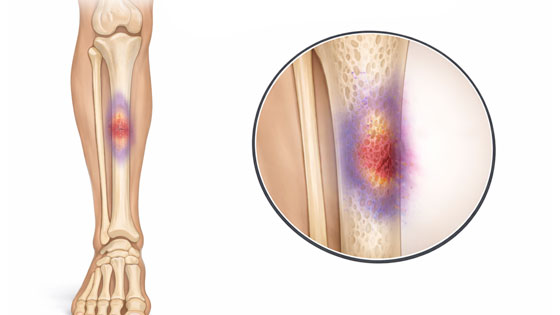
Outside Shin Pain
Sports injuries causing pain on the outside of the shin.
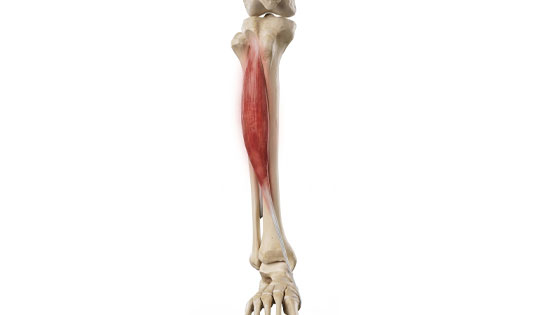
Anterior Compartment Syndrome
Anterior compartment syndrome occurs when muscles in the front of the lower leg swell within their surrounding sheath, increasing pressure and causing pain.
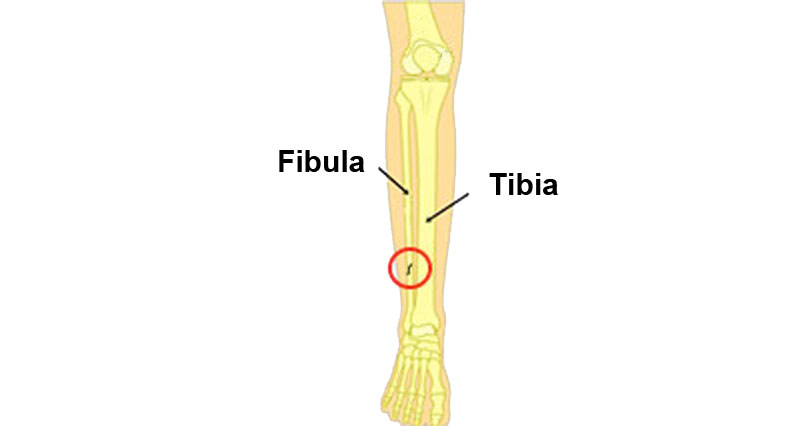
Fibula Fracture
A Fibula fracture is a break of the thinner fibula bone on the outside of the lower leg. It can be a gradually occuring stress fracture, or a traumatic acute injury.
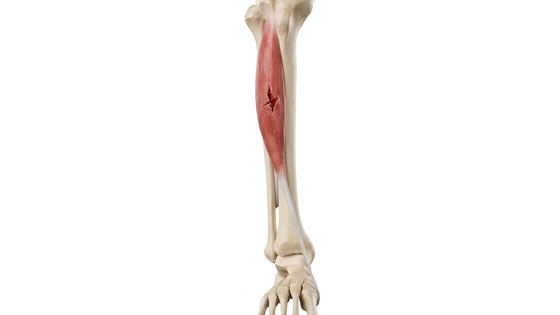
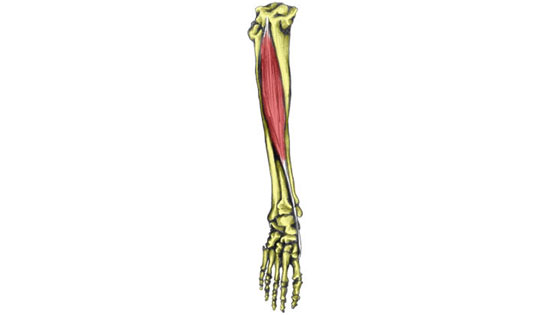
Tibialis Anterior Strain
A strain of the tibialis anterior muscle with symptoms of localised pain along the muscle on the front/outer shin, worse when lifting the foot or walking uphill.

ADVERT
WHen SHould I See A Doctor?
It is rare that shin pain needs to be assessed by a doctor. However, an acute compartment syndrome is a medical emergency and you should seek professional advice immediately if you susect one. Or any of the following:
- Very severe pain following a direct blow or high-impact injury to the shin
- Pain that is worsening or not improving, especially if it becomes constant
- Localized, pinpoint pain on the bone, particularly if it hurts at rest or at night (possible stress fracture)
- Severe swelling, tightness, or increasing pain during exercise (possible compartment syndrome)
- Altered sensation, such as numbness, tingling, or weakness in the foot
- Difficulty walking or weight-bearing
- Long-term or recurring symptoms that do not settle with rest
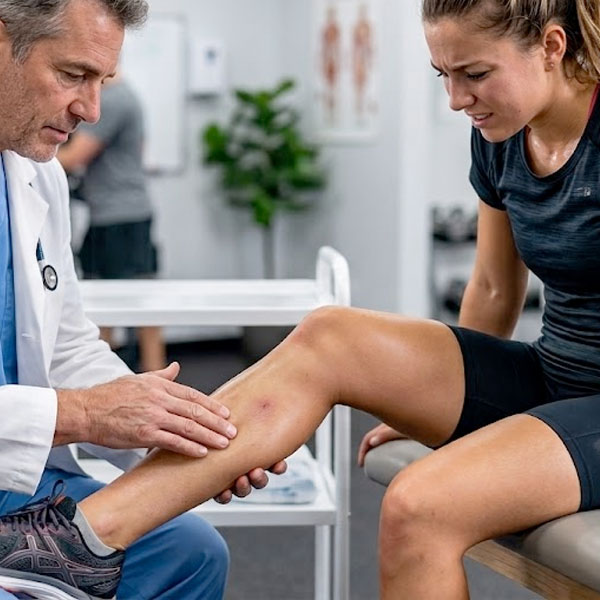
Less common causes of shin pain
The following are less common causes of shin pain, but important not to miss.
Deep Vein Thrombosis
DVT (Deep Vein Thrombosis) is a blood clot in a vein, commonly seen in the calf muscle are. It is more common following surgery or long-haul flights. The main symptom is constant pain and tenderness at a point deep in the muscle. However, it is important not to miss as It is essential that a DVT is correctly diagnosed because if the blood clot comes loose, then it could find its way into the heart causing serious injury or death.
Popliteal artery entrapment
Popliteal artery entrapment is also more likely to appear as calf pain. However, pain may be felt on the outside of the shin in the anterior compartment or the big muscle on the outside of the shin.
Referred pain
This is where a problem or injury elsewhere causes pain in the shin. For example from the spine, the ankle joint, from a cyst on the knee cartilage, or from a Baker’s cyst. A Bakers cyst is a swelling behind the knee and, although this can cause symptoms, it is not particularly common.
Osgood Schlatter disease
Osgood Schlatter disease is a painful injury of the knee affecting children between the ages of 8 and 15 years old. Pain is felt on the bumpy bit at the top of the shin but may radiate down.
Pes anserine bursitis
Pes anserine bursitis is inflammation of a bursa or sack of fluid on the inside of the knee. Pain is more usually felt on the inside of the knee rather than the shin.
Other less common causes of shin pain in the athlete include:
- Femoral endarteritis
- Atherosclerotic disease
- Proximal tibiofibular subluxation
- Cramp
Important – do not miss
The following conditions rarely cause shin pain, however, a doctor or professional practitioner should be aware of them, particularly if your shin pain is persistent or not responding to conventional treatments.
- Syphilis
- Sickle-cell anemia
- Hyperparathyroidism
- Sarcoidosis
- Rickets
- Paget’s disease of the bone
- Erythema nodosum
- Infections such as osteomyelitis or cellulitis may cause pain.
Tumours of bone and soft tissue are rare, but most likely occur in athletes in their 20s and 30s. Osteosarcomata can occur at the ends of the long bones, particularly of the lower leg causing joint pain.
Immediate first aid for shin pain
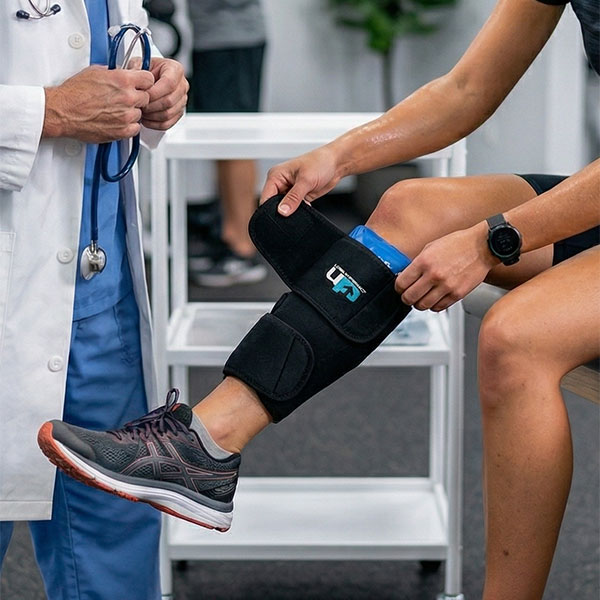
Immediate treatment is to apply the P.R.I.C.E. principle (protection, rest, ice, compression & elevation).
- Protection – Prevent the shin from suffering from further damage. Stop training or playing immediately and apply cold therapy and a compression wrap.
- Rest – This is important and vital for recovery. Try to reduce the demands of your daily activity and stop doing any sports that exacerbate the pain. An athlete must know when to stop training and allow the injured area to heal otherwise repetitive minor injuries can often result in a more severe injury that keeps the athlete out for much longer.
- Ice – Apply ice or cold therapy to the painful area of the shin to help reduce the symptoms of pain and any inflammation. Apply for 10 minutes every hour initially for the first 24 to 48 hours, reducing frequency to 3 or 4 times a day as symptoms improve. Do not apply ice directly to the skin as it may burn. Either wrap ice in a wet tea towel or use a commercially available cold pack.
- Compression – The use of compression support or compression bandages on the lower leg can help reduce swelling.
- Elevation – Elevating the lower leg above heart level whenever possible to help reduce swelling due to the effects of gravity. Read more on PRICE principles
Shin Injury Rehabilitation Programs
Step-by-step thigh injury rehab programs for the following:
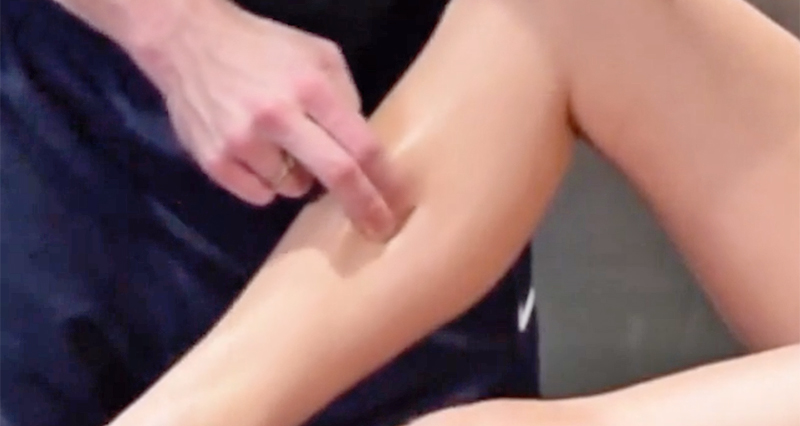
Shin Splints
Full rehab program for suitable for anyone with shin splints (medial tibial stress syndrome), whether your pain is recent or has been recurring for months. It is based on the same evidence-based methods trusted by elite athletes but adapted for everyday runners, footballers, and fitness enthusiasts
Knee Pain
Acute (sudden onset) and chronic (gradual onset) knee injuries explained as well as treatment exercises, rehab programs, strapping & taping, massage and more.
Common Knee Injuries
Knee Ligament Sprains
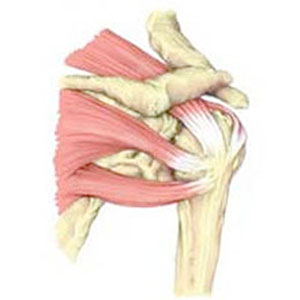
A knee sprain is a tear of any of the four main ligaments in the knee joint. Knee ligament sprains include ACL, MCL, LCL and PCL ligament sprains.
Patellar Tendonitis
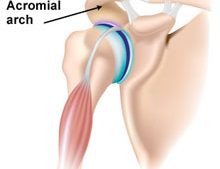
Patellar tendonitis or tendinopathy is inflamation or degeneration of the patella tendon. Gradual onset pain occurs at the bottom of the patella (kneecap).
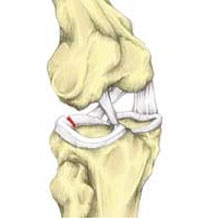
Meniscus Tear
A torn cartilage meniscus is a tear of the semi-circular shaped fibrous cartilage in the knee joint. Symptoms include knee joint pain and swelling.

Patellofemoral Pain
Patellofemoral pain occurs when the patella rubs on the bone underneath. Symptoms include swelling and gradual onset patella pain.

Osgood Schlatter Disease
Osgood Schlatter Disease affects children, usually between the age of 10 and 14 years. Knee pain on the bony bit at the front of the knee/top of shin is the main symptom.
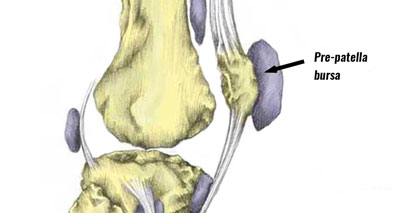
Knee Bursitis
A bursa is a small sac of fluid which helps lubricate movement in the knee joint. There are a number of bursa which may become inflamed, often through overuse.

When shoulder I see a doctor?
It’s important to note that some shoulder injuries may result from acute trauma, while others may develop gradually over time due to overuse or degeneration. Treatment options for shoulder injuries can range from rest, physical therapy,
Knee Injuries by Location
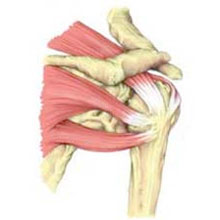
Inside knee
Medial knee pain occurs on the inside of the knee. Common injuries include MCL sprain and cartilage meniscus tear. Gradual onset overuse knee injuries include patellofemoral pain, osteoarthritis and synovial plica irritation.
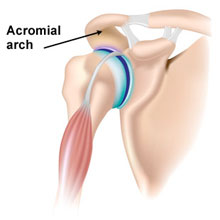
Outside knee
Lateral knee pain refers to pain on the outside of the knee. It usually, but not always, develops gradually through overuse. The most common injuries include osteoarthritis, lateral ligament sprain, iliotibial band syndrome and cartilage meniscus tears.
Front of the knee
The rotator cuff is a group of muscles and tendons that surround the shoulder joint and help stabilize and move the shoulder. Tears in the rotator cuff result from overuse, trauma, or degeneration and can cause pain, weakness, and limited range of motion.
Back of the knee
This occurs when the tendons of the rotator cuff and the bursa (a fluid-filled sac) in the shoulder become pinched or compressed between the bones of the shoulder. It can lead to pain and inflammation.

First Aid for Knee Injuries
It’s important to note that some shoulder injuries may result from acute trauma, while others may develop gradually over time due to overuse or degeneration. Treatment options for shoulder injuries can range from rest, physical therapy,
Acute Knee Injuries
Acute knee injuries are injuries that occur suddenly and are typically associated with a specific event or trauma. They cause immediate pain, often with swelling and bruising. Common examples are knee ligament sprains including MCL and ACL sprains, cartilage meniscus tears cuff tears and tendon ruptures. Sometimes chronic knee injuries flare up becoming acute.
Overuse Knee Injuries
Gradual onset shoulder pain or chronic shoulder pain develops over a period of time. You may not have known the exact time of injury and put up with a ‘niggle’, or discomfort for some time. These injuries are often caused from overuse and include rotator cuff tendonitis, shoulder impingement, frozen shoulder.
Knee Treatment & Rehabilitation
Knee Exercises
The rotator cuff is a group of muscles and tendons that surround the shoulder joint and help stabilize and move the shoulder. Tears in the rotator cuff result from overuse, trauma, or degeneration and can cause pain, weakness, and limited range of motion.
Strapping & Taping
This occurs when the tendons of the rotator cuff and the bursa (a fluid-filled sac) in the shoulder become pinched or compressed between the bones of the shoulder. It can lead to pain and inflammation.
Rehabilitation Programs
Click here to change this text. Lorem ipsum dolor sit amet, consectetur adipiscing elit. Ut elit tellus, luctus nec ullamcorper mattis, pulvinar dapibus leo.
Knee Injuries Common in Specific Sports
Knee Pain From Running
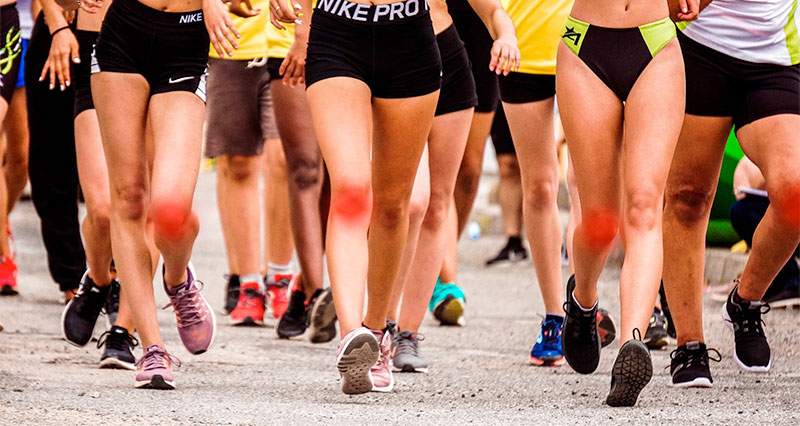
Knee pain from running affects most runners at some point, especially if they train regularly. The benefits of running are well known….