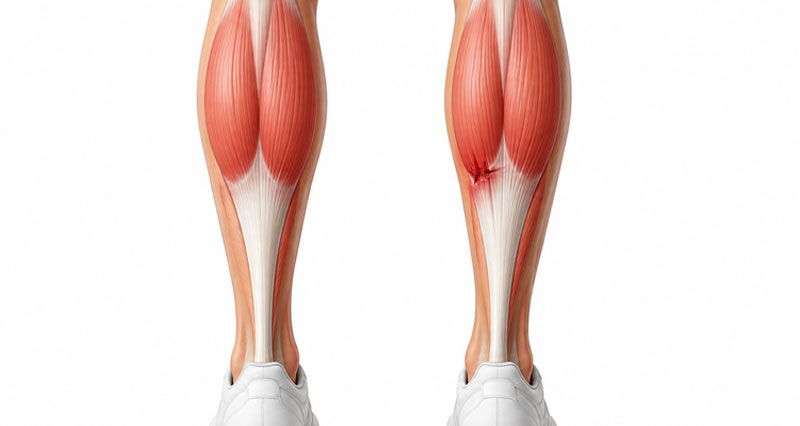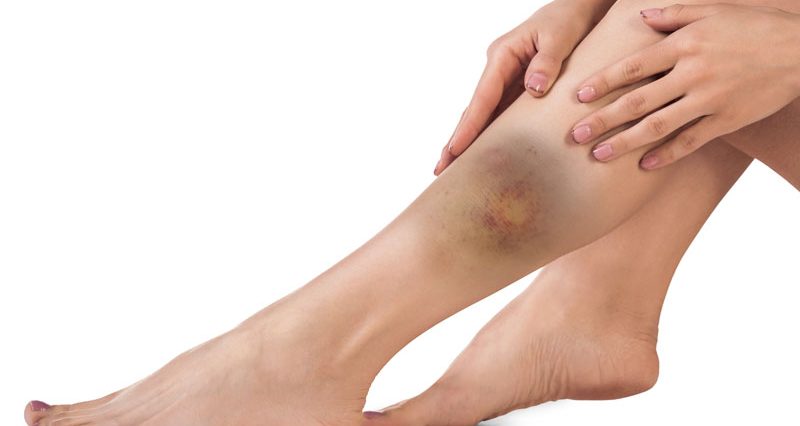
A calf contusion, sometimes called a dead leg, occurs when a direct blow to the calf muscle causes bleeding and damage within the muscle tissue. Immediate first aid is important to reduce bleeding, minimise recovery time, and help prevent complications.
On this page:
ADVERT
Symptoms of a calf contusion
Symptoms typically develop immediately following a direct impact and may include:
- Sudden pain at the back of the lower leg.
- Tenderness when pressing on the injured area.
- Swelling around the site of injury.
- Difficulty walking, running, or pushing off the foot.
- Pain when stretching or contracting the calf muscles.
- Bruising which may appear over the following 24 to 48 hours.
The severity of symptoms depends on the force of the impact and the amount of bleeding within the muscle.
What is a calf contusion?
A calf contusion occurs when the muscle is crushed against the underlying bone following a direct blow.
Common causes include:
- A kick to the calf during football or rugby.
- Colliding with another player.
- Impact from sports equipment such as a hockey stick or cricket ball.
Unlike a calf strain, which occurs when muscle fibres are overstretched or torn, a contusion is caused by direct trauma to the muscle.
The impact damages small blood vessels, causing bleeding within the muscle tissue. Depending on the extent of the injury, this bleeding may either remain trapped within the muscle or spread into surrounding tissues.
ADVERT
Types of calf contusion
Intermuscular contusion
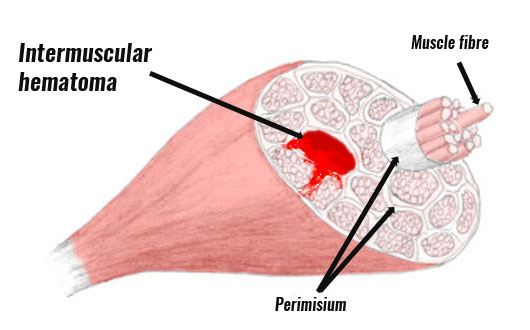
An intermuscular contusion occurs when both the muscle and the surrounding sheath (fascia) are damaged. Blood is able to escape and spread between tissues, often resulting in visible bruising that may travel down the leg due to gravity.
Although bruising can appear dramatic, recovery is often quicker because pressure is not trapped within the muscle.
Intramuscular contusion
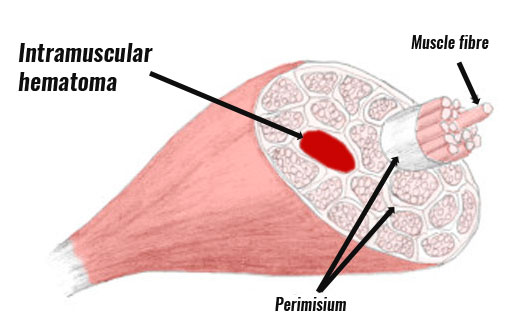
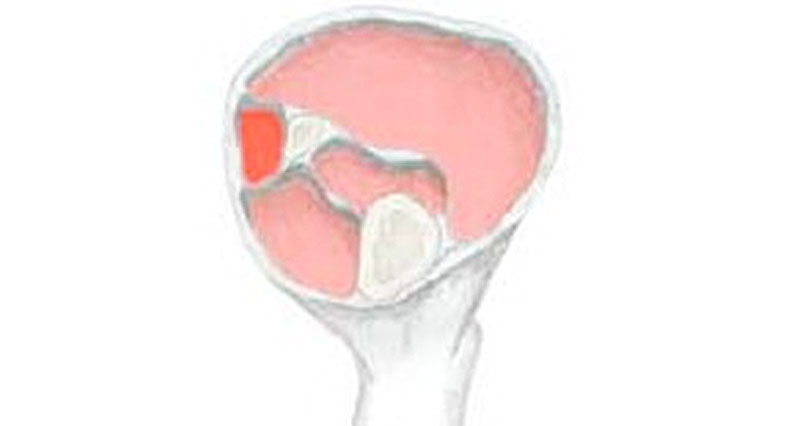
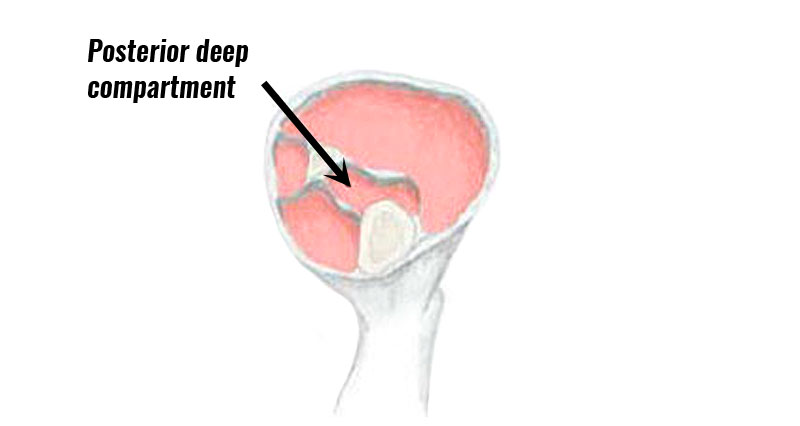
An intramuscular contusion occurs when bleeding remains trapped within the muscle sheath. Pain, swelling, and stiffness are often more severe because pressure builds up inside the muscle. Recovery may take longer than with an intermuscular contusion.
Visible bruising may be minimal or absent despite a significant injury.
ADVERT
Structure of skeletal muscle
Treatment for a calf contusion
Treatment should begin as soon as possible following injury.
POLICE protocol
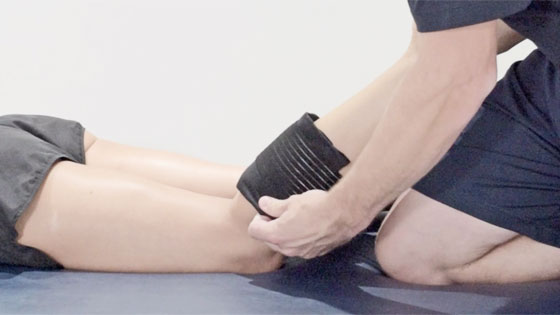
Follow the POLICE principles during the first 24 to 48 hours:
- Protection: Avoid activities that increase pain.
- Optimal Loading: Begin gentle movement as soon as symptoms allow.
- Ice: Apply cold therapy for 10 to 15 minutes every 2 to 3 hours.
- Compression: Wear a compression bandage or calf support.
- Elevation: Raise the leg above heart level where possible.
Do not apply ice directly to the skin. Wrap ice in a wet towel or use a suitable cold therapy wrap.
Should I massage a calf contusion?
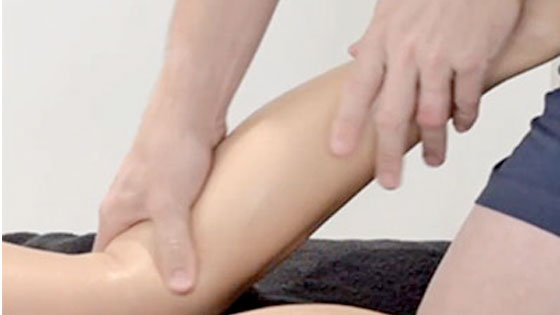
Avoid sports massage during the first 48 to 72 hours after injury as this may increase bleeding within the muscle.
Once pain and swelling have settled, massage may help reduce muscle tightness and improve flexibility. If unsure, seek advice from a qualified sports therapist or physiotherapist.
More on Calf massage
Rehabilitation & exercises
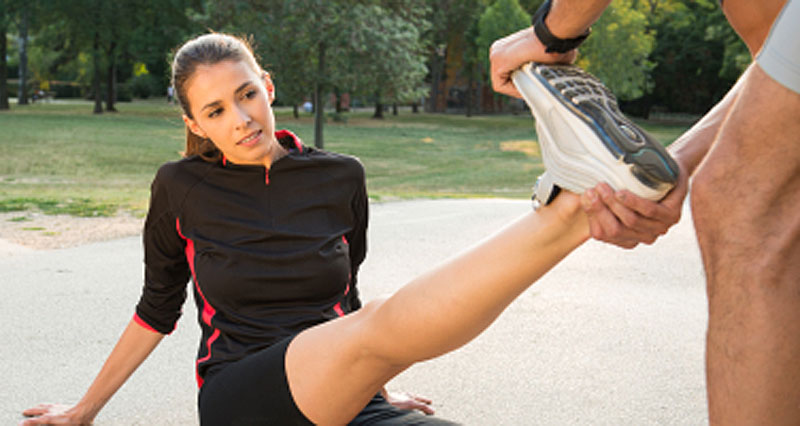
Begin gentle calf stretching exercises as soon as they can be performed comfortably without increasing symptoms. Progress to strengthening exercises and sport-specific drills as pain allows. More severe contusions may require a structured rehabilitation programme before returning to sport.
- Read more on Calf contusion rehabilitation
ADVERT
Recovery time
Recovery depends on the severity of the injury:
- Mild contusions: 1 to 2 weeks.
- Moderate contusions: 2 to 6 weeks.
- Severe contusions: 6 weeks or longer.
You should only return to sport when you can walk, jog, sprint, jump, and perform sport-specific movements without pain.
Possible complications
Most calf contusions heal without complications.
A rare complication is myositis ossificans, where bone tissue forms within the injured muscle. This is more likely following a severe contusion, aggressive early massage, or returning to sport too soon.
Seek professional advice if symptoms fail to improve or if pain, swelling, and stiffness become progressively worse.
Recommended products
We recommend the following products from our commercial partners (Amazon) for helping with recovery from a Calf contusion:
- Cold therapy wrap: One of the most important treatments during the first 48 hours. Helps reduce pain, bleeding and swelling within the injured muscle.
- Compression calf support: Provides gentle compression to help control swelling and support the calf during the early stages of recovery.
- Foam roller: Useful later in rehabilitation to improve muscle flexibility and reduce tightness once the acute injury phase has passed.
- Massage ball: Helps target specific areas of muscle tightness and trigger points as healing progresses.
- Resistance bands: Ideal for rebuilding calf strength and progressing rehabilitation exercises before returning to sport.
- Heel raise inserts: Temporarily reduce strain on the calf muscles during walking and may improve comfort in more severe injuries.
- Heat therapy: Can help relax tight muscles and improve flexibility once swelling and acute pain have settled.
- Kinesiology tape: May provide support, improve confidence during activity and help manage symptoms during the return to sport phase.