Achilles Tendonitis & Tendinopathy
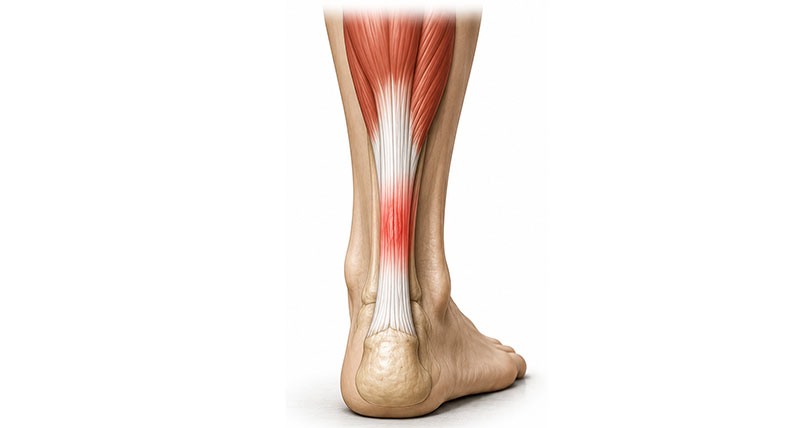
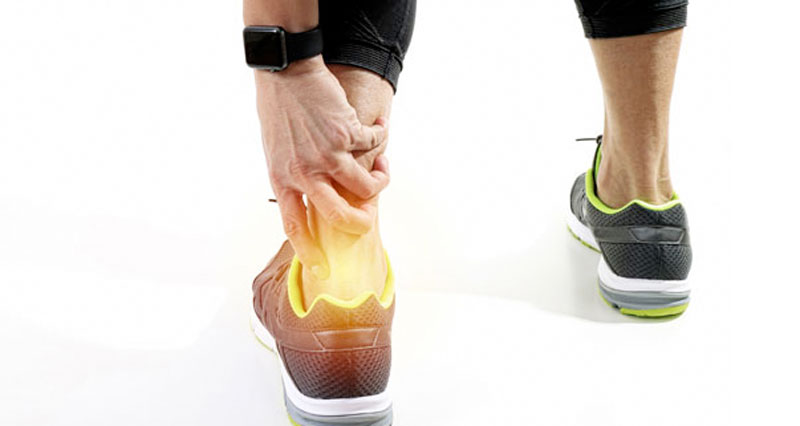
Achilles tendonitis is a common cause of pain at the back of the ankle, particularly in runners and active people. It develops when the Achilles tendon becomes overloaded during activity, causing pain, stiffness and reduced performance.
On this page:
Although the term Achilles tendonitis is still widely used, most long-term cases involve degeneration and weakening of the tendon rather than inflammation. For this reason, healthcare professionals often use the term Achilles tendinopathy.
Achilles tendonitis symptoms
Symptoms usually develop gradually over time and often worsen if training continues without modification.
Common symptoms include:
- Pain at the back of the ankle or lower calf.
- Stiffness in the tendon, particularly first thing in the morning.
- Pain that improves as you warm up but returns afterwards.
- Tenderness when pressing or squeezing the tendon.
- Swelling or thickening of the tendon.
- Reduced strength when pushing off, running or jumping.
In long-standing cases, the tendon may develop a noticeable thickened area or small lump. If left untreated, Achilles tendon pain can become chronic and increase the risk of an Achilles tendon rupture.
When to see a doctor
Seek medical advice if:
- You heard or felt a sudden snap in your Achilles tendon.
- You are unable to stand on tiptoe or push off normally when walking.
- Pain and stiffness persist despite several weeks of treatment.
- The tendon becomes increasingly swollen, thickened or painful.
- Symptoms are affecting your ability to walk, work or participate in sport.
- You develop redness, warmth or severe swelling around the tendon.
A sudden sharp pain, often accompanied by a snapping sensation, may indicate an Achilles tendon rupture and requires urgent medical assessment.
Scans and diagnosis
Diagnosis is usually based on symptoms and a clinical examination.
Ultrasound and MRI scans may be used to:
- Confirm the diagnosis.
- Assess the extent of tendon damage.
- Identify tendon tears.
- Monitor long-term tendon changes.
How severe is my Achilles tendon pain?
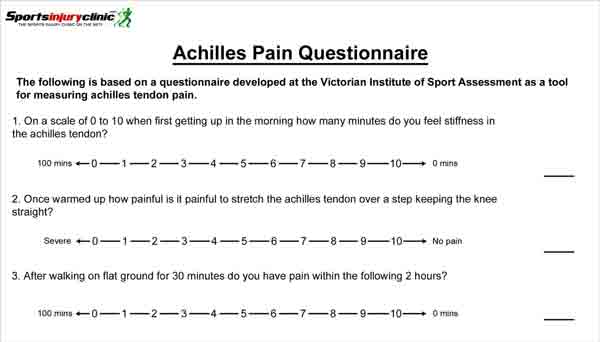
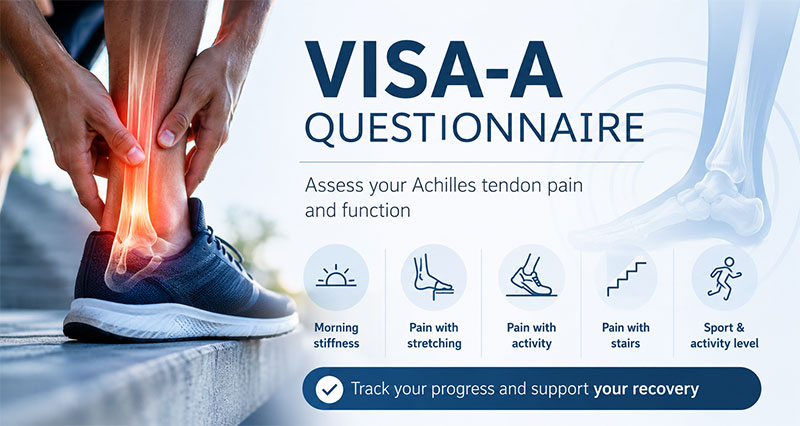
VISA A questionnaire (download PDF) is a simple way to measure how severe your Achilles tendon pain is. It provides a score out of 100 and is useful for tracking progress during rehabilitation.
What is Achilles tendonitis?
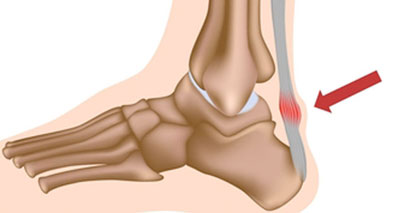
Achilles tendonitis, also known as Achilles tendinopathy, is an overuse injury affecting the tendon at the back of the ankle. The Achilles tendon is the large, thick tendon at the back of the ankle. It connects the calf muscles (gastrocnemius and soleus) to the heel bone (calcaneus).
Every time you walk, run, jump or push off your toes, the Achilles tendon transmits force from the calf muscles to the foot. During running, forces through the tendon can exceed several times your body weight.
When the tendon is repeatedly overloaded without sufficient recovery, microscopic damage can occur. Over time this results in pain, reduced function and structural changes within the tendon.
Tendonitis vs tendinopathy
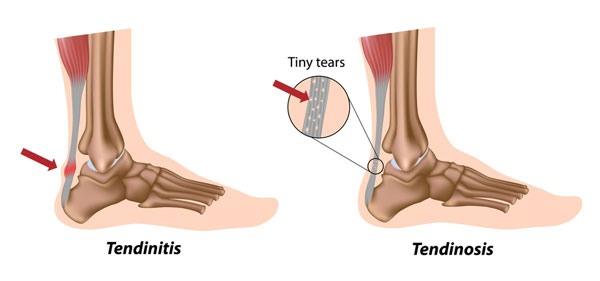
Tendonitis suggests inflammation of the tendon (‘itis’ means inflammation). However, most long-term Achilles injuries are not caused by ongoing inflammation.
The term tendonitis suggests inflammation of the tendon (‘itis’ means inflammation). However, research shows that chronic Achilles injuries involve relatively little acute inflammation. Instead, the tendon develops structural changes including:
- Disorganisation of collagen fibres.
- Thickening of the tendon.
- Reduced tendon strength.
- Increased sensitivity to load.
For this reason, Achilles tendinopathy is now considered a more accurate term.
Types of Achilles tendinopathy
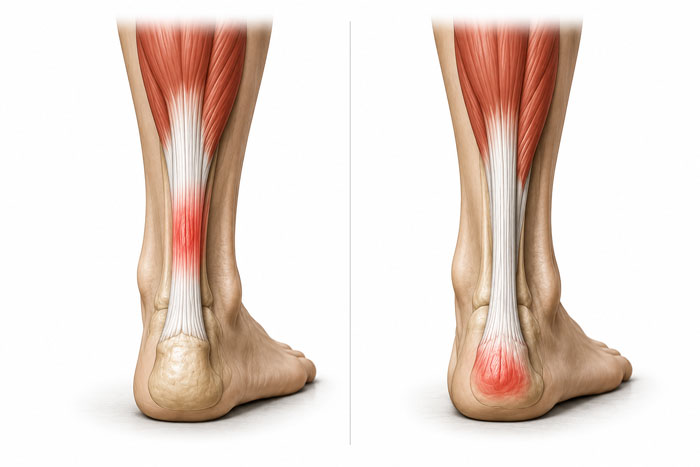
Mid-portion Achilles tendinopathy is the most common type and affects the tendon approximately 2 to 6cm above the heel bone. Symptoms typically include pain and stiffness in the middle part of the tendon, particularly first thing in the morning, as well as pain during running and jumping activities. The tendon may also become thickened over time.
Insertional Achilles tendinopathy affects the point where the Achilles tendon attaches to the heel bone (calcaneus). Symptoms include pain directly on the back of the heel, tenderness at the tendon insertion, pain when walking uphill or climbing stairs, and discomfort when stretching the calf muscles.
Causes of Achilles tendonitis
Common causes of Achilles tendinopathy include:
Training errors
A sudden increase in running distance, speed, hill work or training frequency is one of the most common causes. As a general rule, increase training volume gradually and allow adequate recovery between sessions.
Poor foot biomechanics
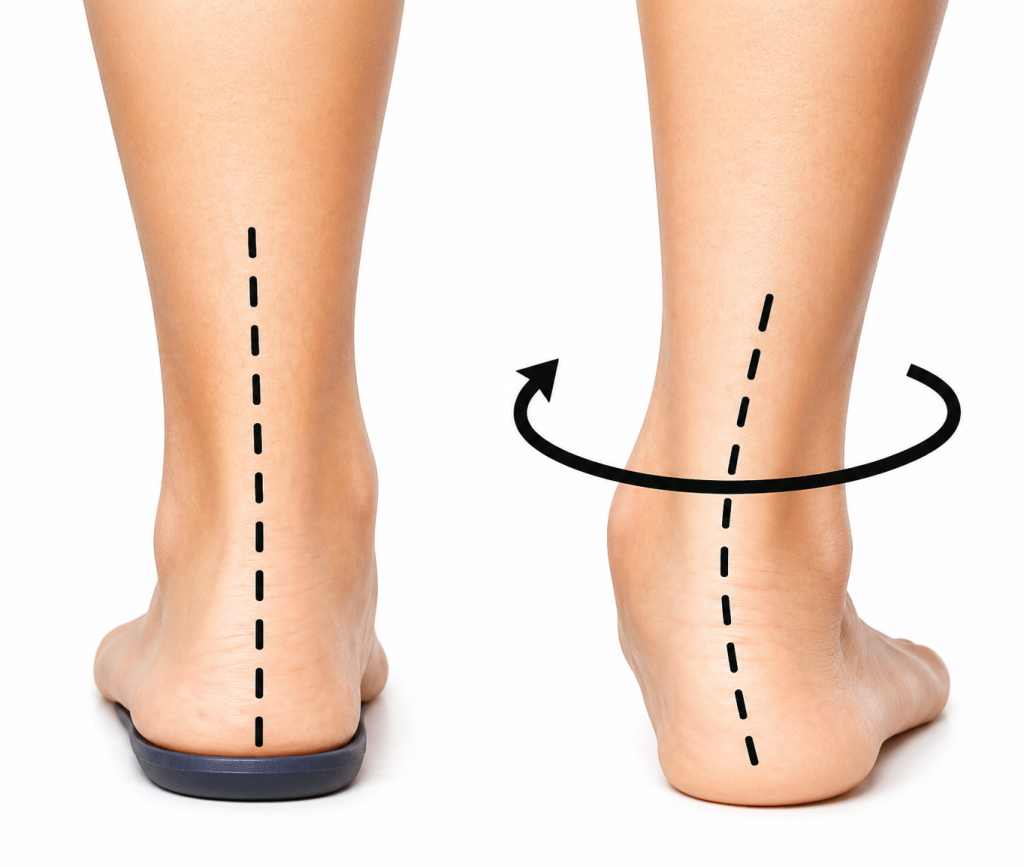
Overpronation (excessive inward rolling of the foot) can increase rotational forces through the lower leg and place additional strain on the Achilles tendon. As the foot rolls in, the lower leg rotates inwards, twisting or rotating the Achilles tendon. Therefore, increasing stress on the tendon. Wearing arch support insoles may help correct foot biomechanics and reduce strain on the Achilles tendon.
Incorrect footwear
Worn-out running shoes or footwear which does not suit your foot type may increase tendon loading and contribute to symptoms.
Running on hills
Frequent uphill running or treadmill running on an incline increases the demand placed on the calf muscles and Achilles tendon.
Wearing high heels
Regular use of high-heeled shoes may shorten the calf muscles over time. This can increase strain on the Achilles tendon when wearing flat shoes.
Risk factors
You are more at risk of suffering Achilles pain if you are in any of the following groups:
- Age over 35 years.
- Previous Achilles injury.
- Tight calf muscles.
- Weak calf muscles.
- Poor ankle mobility.
- Excess body weight.
- Diabetes.
- Certain antibiotics, particularly fluoroquinolones.
- Sudden changes in training load.
Achilles tendonitis treatment
Treatment for Achilles tendonitis focuses on reducing pain while gradually restoring strength and load through the tendon. Our step-by-step Achilles tendonitis rehab program takes you from injury to full fitness. Recovery is based on progressive loading, rather than complete rest.
Relative rest
Reduce or modify activities that aggravate symptoms whilst maintaining general fitness where possible.
Ice/cold therapy
For acute flare-ups, apply cold therapy for 10 minutes every hour during the first 48 to 72 hours. Reduce the frequency as your symptoms improve.
Heel lifts
Heel lifts or gel heel pads reduce strain on the Achilles tendon by slightly shortening the calf muscle. Wear heel lifts in both shoes and use them only as a short-term measure.
Medication
Anti-inflammatory medication such as ibuprofen may help reduce pain during acute episodes. However, medication does not address the underlying tendon weakness associated with chronic tendinopathy. Some studies suggest NSAIDs may interfere with tendon cell activity, collagen remodelling and tissue repair. However, the evidence isn’t strong enough to say they definitely impair healing.
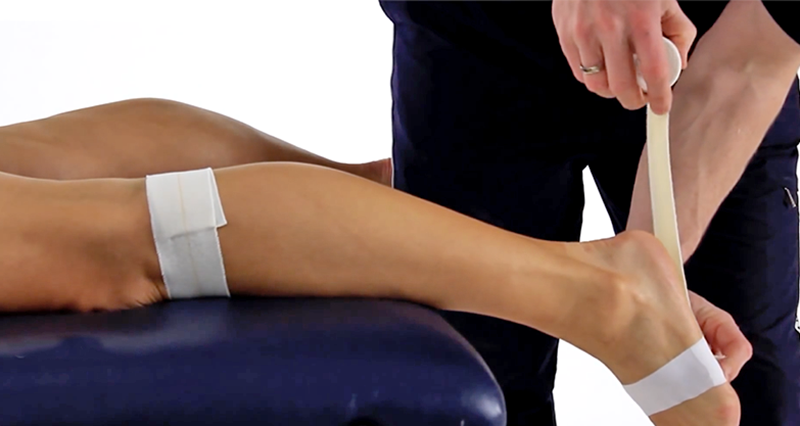
Taping
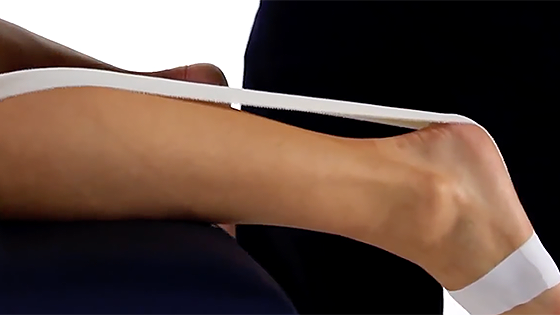
Achilles tendon taping may help reduce strain on the tendon and provide short-term support during activity.
Heat
Long-term Achilles tendinopathy may respond better to heat therapy than ice. Apply heat for approximately 10 minutes several times per day as required.
Massage
Massage can help reduce tension in the calf muscles and improve mobility around the Achilles tendon. Tight or overloaded calf muscles increase the strain placed on the tendon, particularly during running and jumping activities.
Achilles tendonitis exercises
Exercise-based rehabilitation is considered the most effective treatment for Achilles tendinopathy.
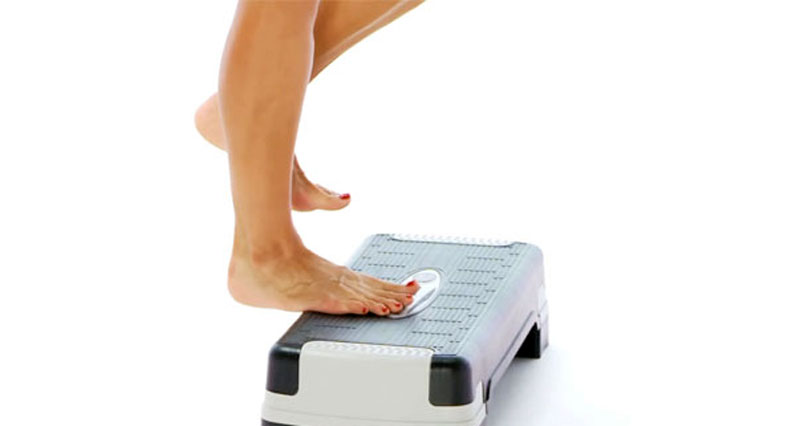
Eccentric heel drop exercises
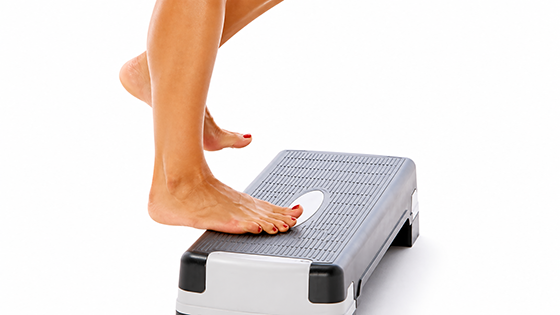
Eccentric heel drop exercises remain one of the most widely used treatments for Achilles tendinopathy. The Alfredson heel drop exercise protocol involves performing heel drop exercises twice daily for 12 weeks. Often it may become worse before it gets better.
Stretching exercises
Gentle calf stretching may help improve flexibility and reduce tension through the tendon. However, stretching alone is unlikely to resolve symptoms and should be combined with strengthening exercises.
A structured rehabilitation programme ensures exercises are introduced at the correct stage and progressed safely according to your symptoms and goals.
Read more about Achilles tendon heel drop exercises.
Tenosynovitis is another condition that can cause pain around the Achilles tendon. It involves inflammation of the sheath surrounding the tendon and may present with similar symptoms.
Recovery time
Recovery varies depending on the severity and duration of symptoms.
Typical recovery times are:
- Mild cases: 4 to 6 weeks.
- Moderate cases: 2 to 3 months.
- Long-standing tendinopathy: 3 to 12 months.
References
- Robinson JM, Cook JL, Purdam C et al. The VISA-A questionnaire: a valid and reliable index of the clinical severity of Achilles tendinopathy. BJSM 2001;35(5):335-41
- Alfredson H, Lorentzon R. Chronic Achilles Tendinosis – recommendations for treatment and prevention. Sports Med 2000;29(2):135-46
- Alfredson H, Piettila T., Jonsson P et al. Heavy-load eccentric calf muscle training for the treatment of chronic Achilles tendinosis. American Journal of Sports Medicine 1998;26(3):360-6
- Martin RL, Chimenti R, Cuddeford T et al. Achilles pain, stiffness, and muscle power deficits: Midportion Achilles tendinopathy revision 2024 clinical practice guideline. J Orthop Sports Phys Ther. 2024;54(11):CPG1-CPG80.