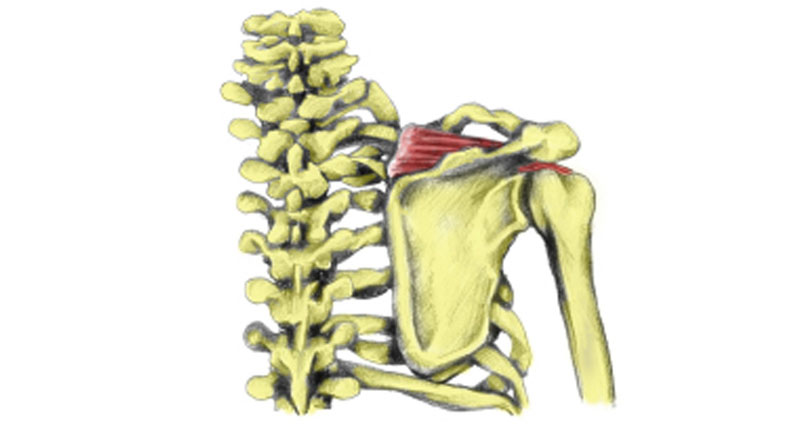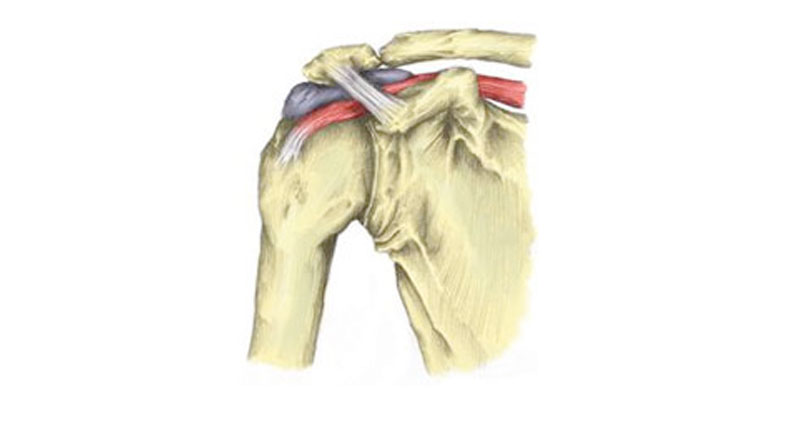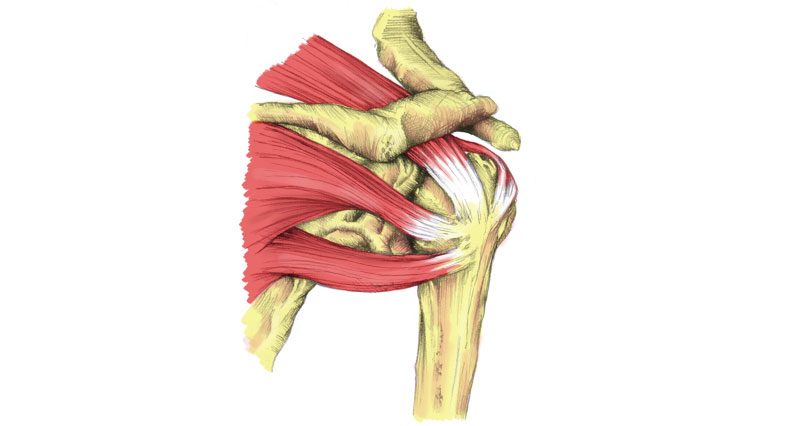
Rotator cuff tendonitis (tendinopathy) is an overuse injury that causes gradual shoulder pain. It commonly develops due to repeated overhead activity or wear and tear of the rotator cuff tendons. Symptoms, causes and treatment options are outlined below.
Symptoms
- Gradual onset of shoulder pain (over days or weeks)
- Shoulder pain at night, often worse when lying on the affected side
- Pain when lifting your arm or reaching overhead
- Pain during activities such as racket sports or swimming
- Less pain with movements below shoulder height
- Tenderness when pressing on the tendon, which may feel thickened
- A clicking or creaking sensation (crepitus) when moving the shoulder
An MRI scan can confirm the diagnosis and identify any tendon tears.
What is rotator cuff tendonitis/tendinopathy?
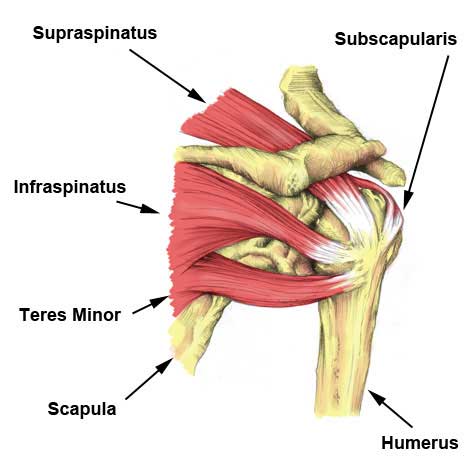
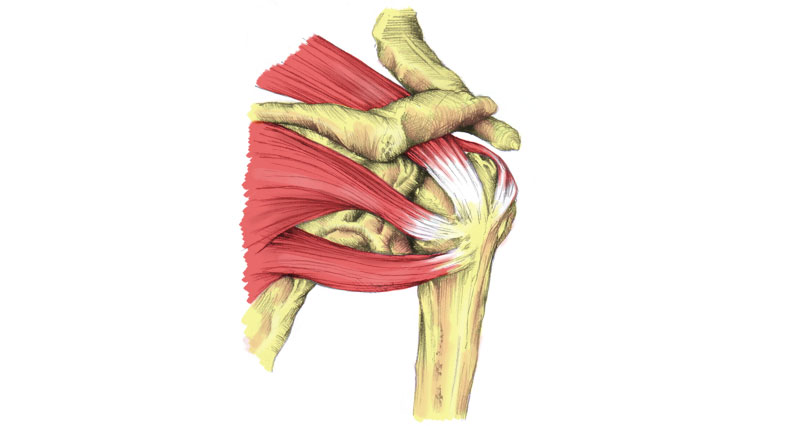
There are four main muscles which rotate the upper arm (humerus) bone. These are the Supraspinatus, Infraspinatus, Subscapularis and Teres minor. Together, they are the rotator cuff muscles.
Tendonitis or tendinopathy?
Rotator cuff tendonitis (tendinopathy) is a common cause of gradual onset shoulder pain and involves the rotator cuff tendons. The term tendinopathy is more accurate, as it reflects both inflammation and degeneration (wear and tear) of the tendon. The “-itis” in tendonitis refers specifically to inflammation.
Degeneration is more common in chronic injuries because acute inflammation cells are not usually present in long-term injuries. Other similar terms include tenosynovitis, which is the degeneration of the sheath surrounding the tendon.
Causes
Overuse is the obvious cause; however, there are specific factors increasing your chance of rotator cuff injury.
Throwing sports
During throwing or overhead racket sports, huge forces slow the arm down. It is the rotator cuff muscles which do this work eccentrically, which means they contract whilst they are lengthening.
This results in even larger stresses through the rotator cuff muscle. Few throwers or those involved in racket sports focus on training these muscles. Throwers often injure the subscapularis in particular, which is stubborn to treat.
Previous injury
Patients who have had a previous rotator cuff strain are more prone to developing tendonitis, especially if they didn’t rest or rehabilitate it properly.
If part of the tendon has calcified (calcium deposits forming within the tendon), treatment can be more difficult. Extracorporeal shockwave therapy and keyhole surgery are additional treatment options.
Work-related factors
Working at a desk for long periods and using a mouse or keyboard also contributes to overuse, particularly if you have poor posture.
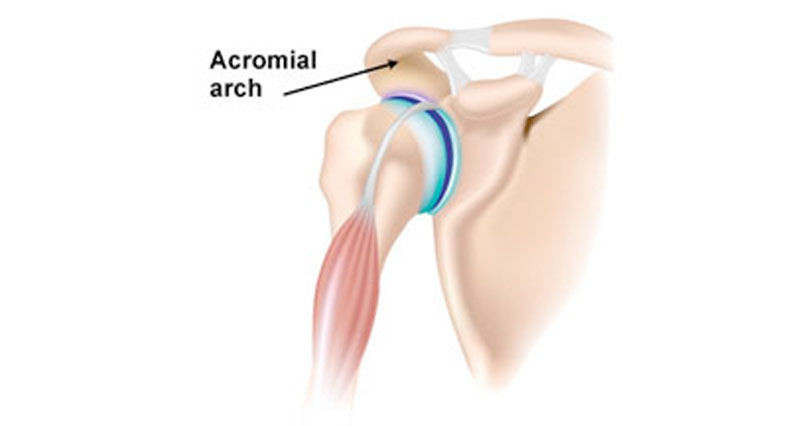
The tiny shoulder movements required to work with a computer mouse can add up over time. A hunched and rounded shoulder posture reduces the space in the joint through which the rotator cuff tendons pass. This leads to the tendons rubbing on the underside of the acromion process at the top of the shoulder joint.
Repeated friction leads to pain and degeneration. Thickening of the tendon can make the situation even worse and may lead to impingement syndrome.
Treatment for rotator cuff tendonitis
Treatment for rotator cuff tendinopathy consists of two parts. The priority is to treat the symptoms and reduce pain and inflammation in order to allow normal movement. The second aspect is to address the underlying causes and correct them.
Rest
Rest from activities which cause pain. The more you use the shoulder, the longer it will take to heal and it may become chronic. Maintain fitness by doing other activities such as running or cycling. Avoid any shoulder exercises or weight training and in particular, avoid the activities which caused the injury in the first place.
Cold therapy
Apply ice or cold therapy every hour for 10 minutes initially, reducing to 15 minutes every 3-4 hours as symptoms improve. Cryotherapy reduces pain and inflammation.
Medication
Your doctor may prescribe anti-inflammatory medication, such as ibuprofen. This can help in the early stages, but is less effective long-term. Do not take ibuprofen if you have asthma. Always check with your doctor if you are unsure before taking medication.
Electrotherapy
Electrotherapy treatments such as ultrasound, interferential stimulation, and laser or magnetic field therapy may be beneficial in reducing pain and inflammation.
Massage
Sports massage helps relax tight shoulder muscles. If the injury is chronic and has not responded to initial conservative treatment, your physiotherapist may use cross-friction massage on the tendon. This helps break down adhesions between the tendon and its sheath and may promote a more effective healing response.
Nitric oxide donor therapy
There is some evidence to suggest that nitric oxide donor therapy patches applied to the shoulder may be effective. Glyceryl trinitrate (GTN) patches, at an appropriate dose (e.g. 1.25 mg/day), are applied to the shoulder and typically worn for 24 hours before being replaced.
Injections
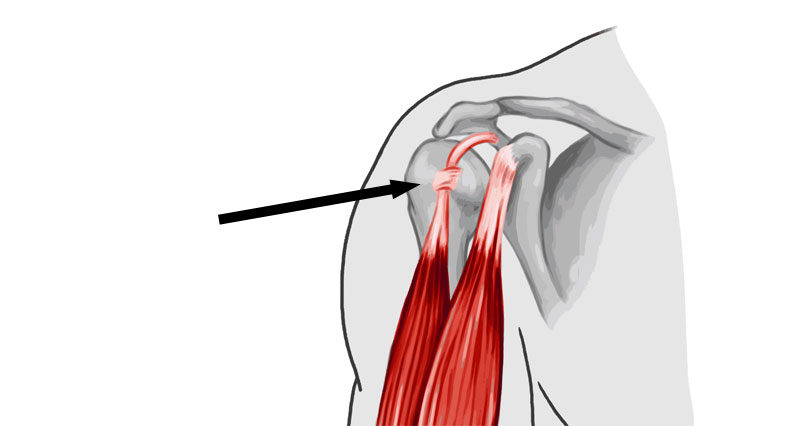
Your doctor may inject a corticosteroid into the subacromial space of the shoulder (in the joint). This reduces pain and inflammation, allowing you to begin rehab exercises.
Correcting faults
A good therapist determines the cause of your injury, whether that be a poor technique or work-related repetitive overuse. Consequently, they identify strategies or changes to avoid the injury from recurring. In particular, exercises and taping correct poor posture and muscle imbalances.
Rotator cuff exercises
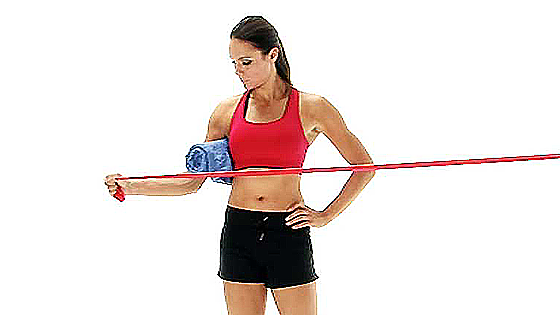
Once the inflammation has reduced and you are pain-free, rotator cuff exercises are most important. Exercises restore normal shoulder function, releasing tension in tight muscles and strengthening weaker ones.
The external rotator cuff muscles, which rotate the shoulder outwards, are often weaker than the muscles that rotate the humerus inwards.
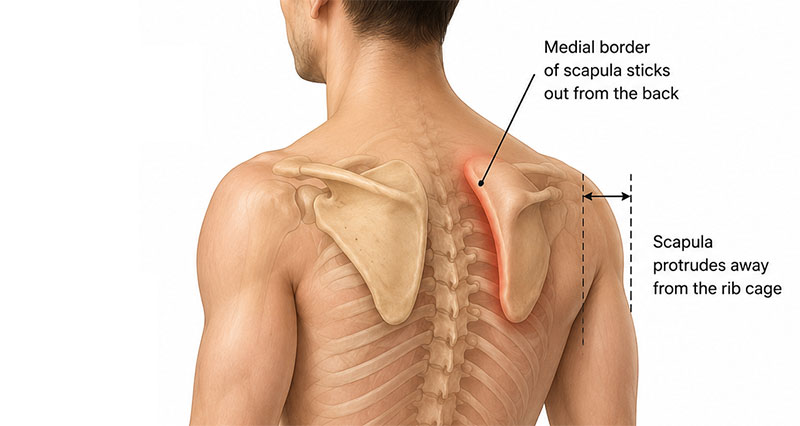
Scapulohumeral rhythm describes the coordinated timing between the movement of the shoulder blade (scapula) and the shoulder joint. This is important in the rehabilitation of all shoulder injuries, alongside stretching and strengthening the muscles that rotate the shoulder outwards (external rotators).
See more details on rotator cuff exercises.