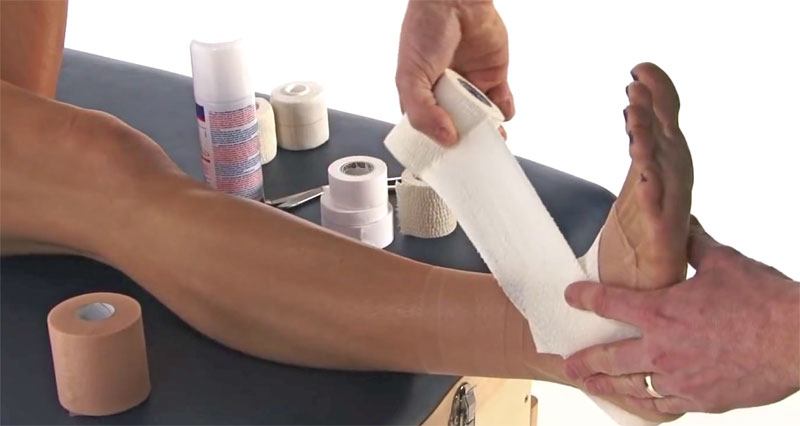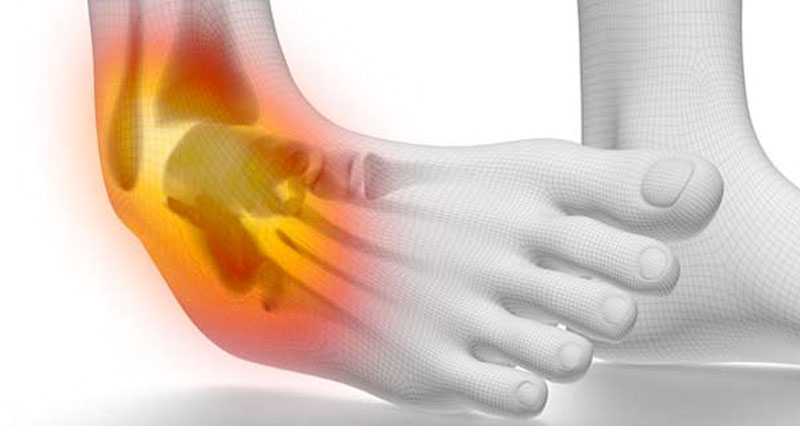
Medial ankle pain refers to pain on the inside of the ankle. Chronic ankle pain develops gradually over time and includes tendinopathy, stress fractures and nerve related injuries. Acute medial ankle pain is sudden onset and includes sprains, strains & fractures.

Medically reviewed by Dr Chaminda Goonetilleke, 4th July 2026
ADVERT
Most common causes of medial ankle pain
The most common causes of pain on the inside of the ankle include:
- Posterior tibial tendinopathy
- Tarsal tunnel syndrome
- Flexor hallucis longus tendinopathy
- Eversion ankle sprain
- Stress fractures
When should I seek urgent medical attention?
Seek urgent medical advice if:
- You are unable to weight bear after an injury
- Your ankle appears deformed
- Pain and swelling are severe
- You suspect a fracture
- You develop numbness, weakness or loss of foot function
Overuse/chronic medial ankle pain
The following injuries are common causes of pain on the inside of the ankle which occurs gradually over time.
Posterior tibial tendinopathy
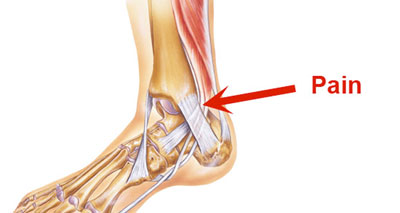
Posterior tibial tendinopathy is one of the most common causes of medial ankle pain. Symptoms typically include:
- Gradual onset pain behind the medial malleolus
- Pain that may extend into the arch of the foot
- Symptoms that worsen with walking, running or prolonged standing
- Tenderness along the tendon
- In some cases, flattening of the arch of the foot
More on Posterior tibial tendinopathy.
Flexor hallucis longus tendinopathy
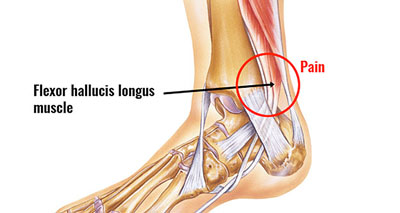
Flexor hallucis longus tendinopathy causes pain along the course of the tendon behind the medial malleolus and into the arch of the foot.
Symptoms include:
- Pain on the inside of the ankle
- Pain when pushing off during running
- Pain when standing on tiptoes
- Tenderness behind the medial malleolus
More on Flexor hallucis longus tendinopathy.
Medial calcaneal nerve entrapment
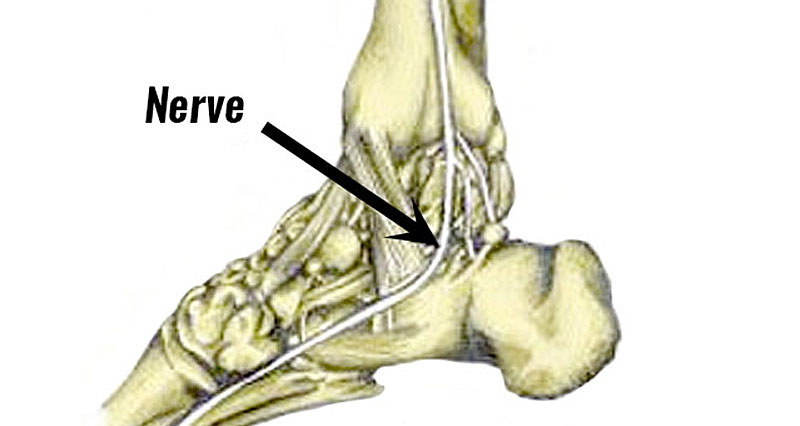
Medial calcaneal nerve entrapment has similar symptoms to tarsal tunnel syndrome consisting of:
- Burning pain on the inside of the heel and ankle
- Pain radiating into the arch of the foot
- Tingling or altered sensation
- Symptoms aggravated by running and prolonged standing
More on medial calcaneal nerve entrapment.
ADVERT
Tarsal Tunnel Syndrome
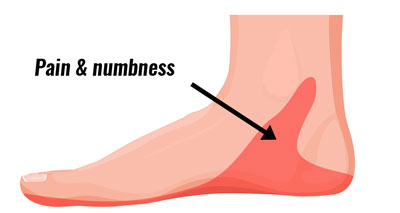
Tarsal tunnel syndrome is caused by pressure on the posterior tibial nerve as it passes on the inside of the ankle. Symptoms consist of:
- Burning pain on the inside of the ankle or heel
- Pins and needles in the sole of the foot
- Numbness or altered sensation
- Symptoms worsening with activity and easing with rest
More on Tarsal Tunnel Syndrome.
Talar stress fracture
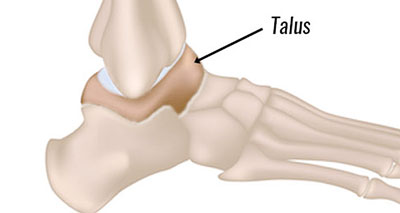
Talar stress fracture is a hairline break of the talus bone at the top of the ankle, which the tibia or shin bone sits on. Symptoms consist of:
- Deep ankle pain which may be felt on either the inside or outside of the ankle
- Symptoms worsen with running and impact activities
- Pain eases with rest
- Local tenderness around the ankle joint
More on Talar stress fracture.
Medial malleolar stress fracture
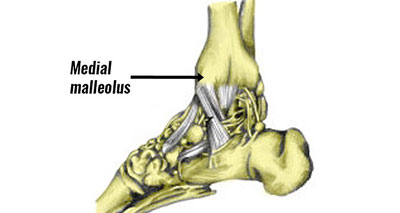
The medial malleolus is the bony bit on the inside of the ankle. This is an uncommon but important injury not to miss, particularly in runners and jumping athletes. 2.
- It causes pain on the inside of the ankle which is exacerbated by activity, especially running and jumping activities.
- You will have specific point tenderness over the medial malleolus where the fracture is located.
- You may also be swelling, but not in all cases.
- If the stress fracture is in the early stages it may not show up on X-ray but a bone scan, CT scan, or MRI can confirm the diagnosis.
More on Medial malleolar stress fracture.
ADVERT
Posterior ankle impingement
Posterior ankle impingement occurs when tissues become compressed at the back of the ankle during plantarflexion (pointing the foot down).
Symptoms include:
- Pain at the back of the ankle which may radiate to the inside
- Pain when pointing the foot down
- Pain standing on tiptoes
- Tenderness at the back of the ankle
More on Ankle impingement.
Tibialis posterior tendon dislocation
Dislocation of the tibialis posterior tendon is rare in sport. It occurs when the tibialis muscle pulls the tendon out of its retinaculum. The retinaculum is the tissue which holds it in place on the inside of the ankle. Symptoms include:
- Moderate pain on the inside of the ankle.
- You may be unable to weight bear on the injured ankle.
Surgical repair is often recommended, particularly in athletes and active individuals, followed by a period of immobilisation and rehabilitation.1
Referred medial ankle pain
Pain on the inside of the ankle may be referred from injuries or conditions elsewhere in the body. For example, sciatic pain from the lower back can radiate down into the leg. Trapped nerves in the foot may also cause medial ankle pain.
ADVERT
Acute medial ankle pain
Acute ankle injuries occur suddenly and include sprains, strains & fractures.
Eversion ankle sprain/Deltoid ligament sprain
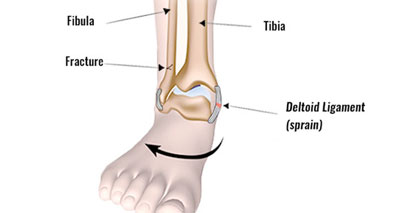
An eversion ankle sprain occurs when your ankle rolls inwards. It is much rarer than a normal ankle strain and is often accompanied with a fracture of the fibula bone. It affects the strong deltoid ligament complex on the inside of the ankle.
Symptoms include:
- Pain directly over the medial ligament
- Swelling on the inside of the ankle
- Pain when walking or running
- Tenderness below the medial malleolus
More on Eversion ankle sprains.
Ankle sprain
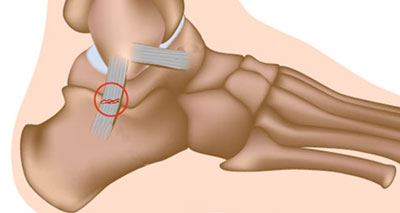
A conventional ankle sprain will likely cause most pain on the outside of the ankle. However, bruising of the bone on the inside of the ankle can also occur from compression.
More on Ankle sprains.
Ankle fractures
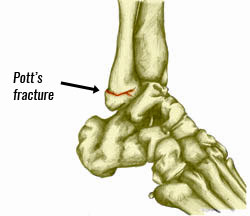
A ankle fracture is a break to any of the bones which make up the ankle joint. There are a number of different types of broken ankle with symptoms of severe pain and swelling.
More on Ankle fractures.
View all acute ankle injuries.
Medial ankle pain not to miss:
The following injuries do not commonly cause pain on the inside of the ankle, however, if missed, more serious long term damage may occur.
Navicular stress fracture
- Symptoms of a navicular stress fracture include a poorly localized ache in the midfoot which gets worse with exercise.
- Pain may radiate along the inside arch of the foot and goes away quickly with rest, only to return again as training resumes.
- Tenderness may be felt when the thumb is pressed into the top of the foot over the navicular bone, called the N spot.
Read more on Navicular stress fracture.
Ankle sprain complications
- Complications of ankle sprains and Complex regional pain syndrome should also not be overlooked.
Medial ankle pain rehab & exercises
We have the following rehab programs and exercises available:
Ankle sprain rehabilitation

Our Ankle sprain rehabilitation program is created by elite level Physio Phil Pask and takes you from initial injury to full fitness.
Taping for medial ankle pain
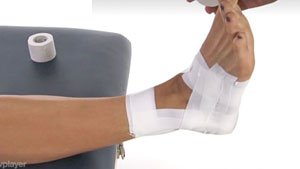
Learn how to apply sports taping techniques for ankle injuries.
External links
- Buy ankle supports and other ankle rehab products at UPMedical.co.uk (UK)
References & further reading
- Rolf C, Guntner P, Ekenman I et al. Dislocation of the tibialis posterior tendon: diagnosis and treatment. J Foot Ankle Surg 1997;36(1):63–5.
- Brukner P, Bennell K, Matheson G. Stress Fractures. Melbourne: Blackwells Scientific Asia, 1999.
Ankle Sprain Rehabilitation Program
Our step by step rehabilitation program takes you from initial injury to full fitness.
Start now for free: