These exercises for sciatica are designed to reduce nerve pain, improve lower back mobility, and ease tension in the glutes and legs.
Sciatica exercises can help reduce nerve irritation and improve movement. However, choosing the right exercises and progressing them carefully is essential, as pushing too hard can make symptoms worse.
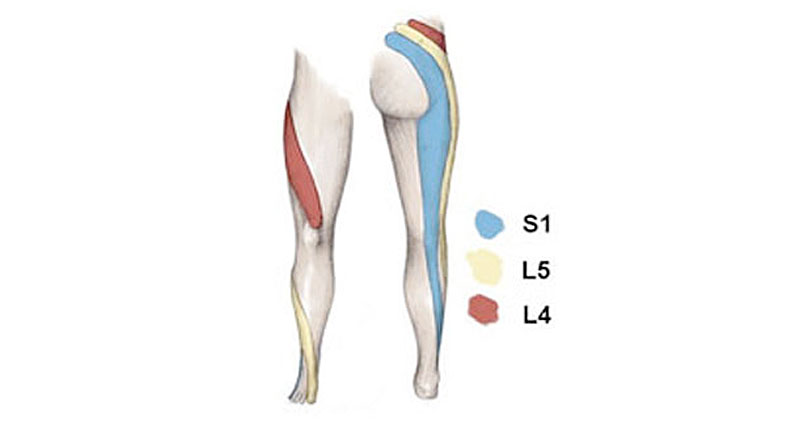
Sciatica is a general term used to describe pain that radiates from the lower back into the buttocks, hip, thigh, and/or lower leg. It can have several underlying causes, so it is important to seek a professional diagnosis where possible.
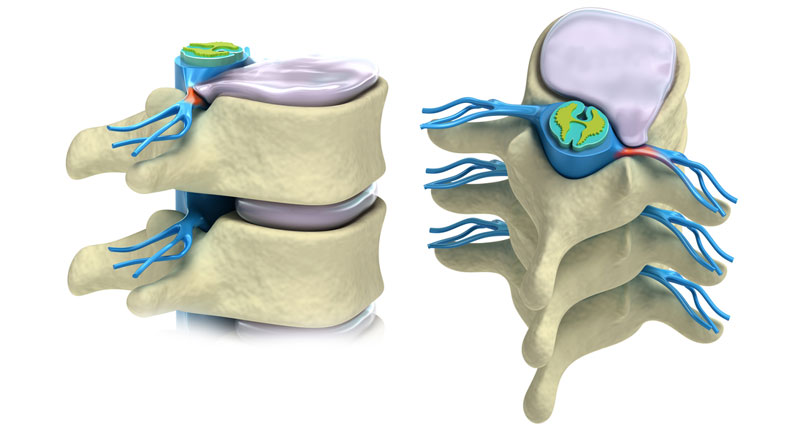
In most cases, sciatic pain occurs when the sciatic nerve becomes irritated or compressed, often in the lower spine (lumbar region). The exercises below aim to improve mobility, reduce nerve irritation, and restore normal function.
If any of the following exercises increase your pain, stop immediately and seek advice.
Top 5 sciatica exercises
The sciatic nerve is highly sensitive, so exercises must be performed with control and care. The aim is to gently improve movement of the nerve and surrounding tissues, rather than force a stretch.
If the nerve is irritated or restricted, aggressive stretching can make symptoms worse. Focus on slow, controlled movements and avoid pushing into pain.
Glute/Piriformis Stretch
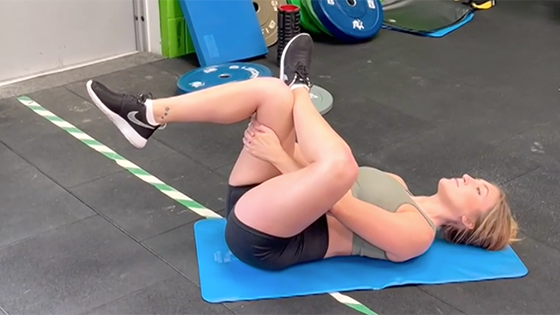
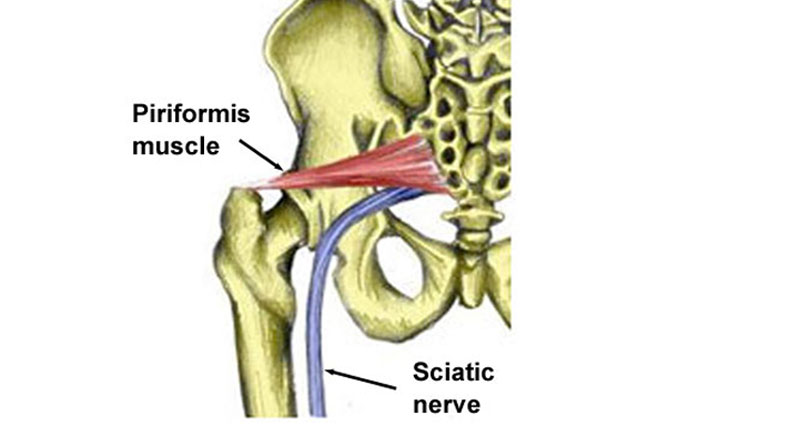
This stretch targets the gluteal muscles and piriformis, which can contribute to sciatic nerve irritation when tight. It is often used early in rehabilitation to reduce tension in the buttock region and improve movement.
How to perform this stretch
- Lie on your back with both knees bent and feet flat on the floor
- Place one foot on top of the opposite knee
- Gently pull the supporting leg towards your chest
- You should feel a stretch in the buttocks of the crossed leg
- Hold for 10–15 seconds
- Repeat 3 times on each side
Why this exercise matters
This exercise is particularly useful if sciatic pain originates from the buttock area, where the piriformis muscle can irritate the nerve. Reducing tension here can help relieve pressure on the sciatic nerve and improve overall movement.
Nerve Flossing
Nerve flossing helps restore normal movement of the sciatic nerve as it passes through the surrounding tissues. It is particularly useful when the nerve feels tight or irritated, but should always be performed gently and under control.
How to perform nerve flossing
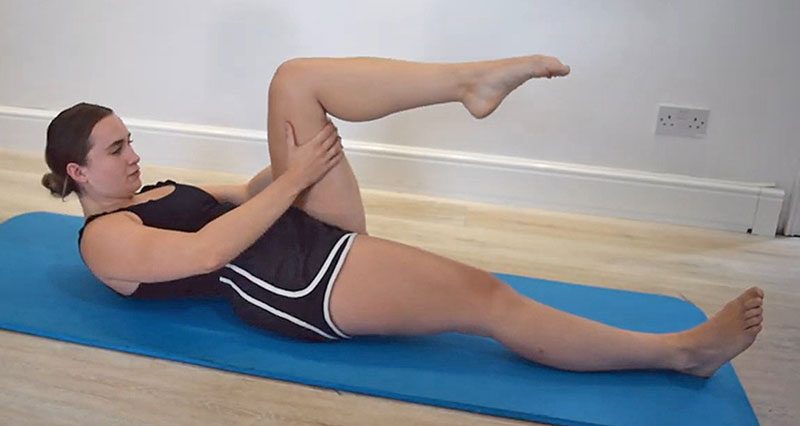
- Lie on your back with one leg straight
- Lift the other leg and hold it behind your thigh
- Slowly straighten your knee until you feel a stretch
- Gently pull your toes towards you, then point them away
- Repeat this ankle movement 10 times
- Lower the leg and repeat 3 times on each side
Why this exercise matters
Nerve flossing improves how the sciatic nerve moves through the muscles. This can reduce irritation and improve mobility, but forcing the stretch can make symptoms worse. Always keep the movement controlled and within a comfortable range.
Ice for sciatic pain
Although heat may feel more comfortable, sciatica is often linked to inflammation in the lower back. Applying cold therapy can help reduce pain and muscle spasm.
Use an ice pack wrapped in a damp towel and apply it to the affected area. Do not place ice directly on the skin.
Follow the guidelines on using ice packs and always put in a damp cold towel and do not apply ice directly onto the skin.
Lumbar extensions
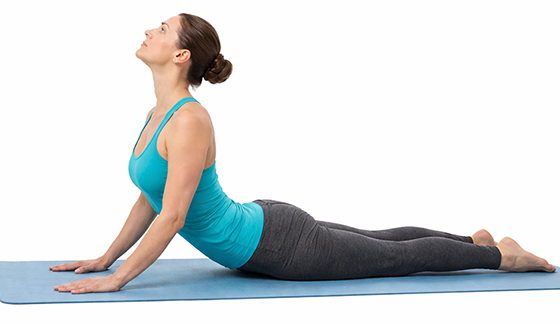
Lumbar extension exercises help reduce pressure on the sciatic nerve, particularly when symptoms are coming from the lower spine.
How to perform lumbar extensions
- Lie on your front on a bed or floor
- Push up slowly onto your elbows
- Keep your hips on the floor and relax your lower back
- Hold briefly, then lower back down
- Repeat 10 times for one set
- Complete 3 sets
Why this exercise matters
These movements can help relieve pressure on the sciatic nerve caused by disc irritation in the lower back. Only move within a comfortable range and avoid pushing into pain.