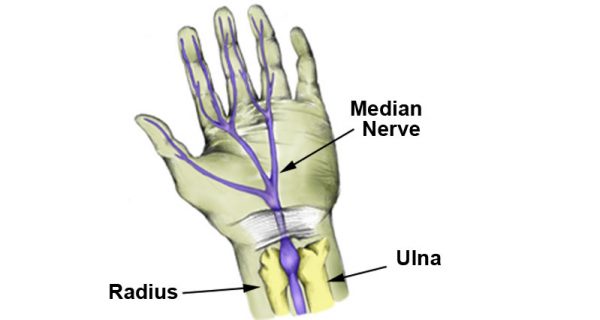
Carpal Tunnel Syndrome
Carpal tunnel syndrome causes pain, numbness, pins and needles in the hand and wrist due to compression of the median nerve as it passes through
Carpal Tunnel Syndrome Read More »

A variety of factors, ranging from overuse and injury to systemic conditions cause aching in the forearm. These include the following:
These include chronic tendon injuries (tendinopathy) involving wear and tear. For example, Tennis elbow and Golfer’s elbow.
For example, a break in one of the forearm bones (the radius or ulna) causes severe pain, swelling, and decreased mobility.
Two of the more common conditions resulting from nerve compression are Carpal tunnel syndrome and Cubital tunner syndrome.
For example, acute Tennis or Goldfer’s elbow and Arthritis.
Conditions that affect blood flow, such as peripheral artery disease, lead to pain and cramping in the arms and legs. Also, diseases that affect the whole body, such as diabetes or lupus, can also cause generalized aches and pains, including in the forearm
Rarely, infections and tumurs also cause forearm pain.
Carpal tunnel syndrome causes pain, numbness, pins and needles in the hand and wrist due to compression of the median nerve as it passes through
Carpal Tunnel Syndrome Read More »

RSI or repetitive strain injury is a general term rather than a specific diagnosis used to describe gradual onset pain, usually in the forearm, wrist,
RSI – Repetitive Strain Injury Read More »
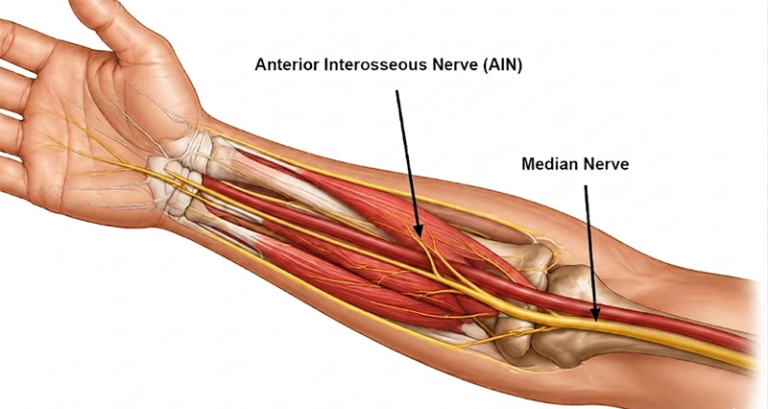
Anterior interosseous nerve syndrome (AINS) occurs when a branch of the median nerve becomes compressed or inflamed in the forearm. The condition causes weakness in
Anterior Interosseous Nerve Syndrome (AINS) Read More »

Forearm splints are similar to shin splints in the lower leg, although far less common. It comes on gradually, occurring in those who repetitively use

Pronator teres syndrome causes pain, numbness and tingling in the forearm and hand. As the name indicates, pronating the hand (turning the hand with the
Pronator Teres Syndrome Read More »