
Deep Vein Thrombosis (DVT)
Deep Vein Thrombosis or DVT is a blood clot in a vein. It is most common in the calf muscle area, particularly following surgery and
Deep Vein Thrombosis (DVT) Read More »

Swelling in the calf muscles can happen suddenly or develop gradually. Various factors cause swollen calves, some more serious than others. Therefore, it’s crucial to pinpoint the underlying cause of calf muscle swelling to determine the right treatment. A more severe calf muscle strain is a common cause in athletes, along with contusions. A contusion occurs from direct impact or trauma to the muscle. Cramps also causes temporary swelling.
Deep Vein Thrombosis (DVT) is the formation of a blood clot in a deep vein, often in the legs. It induces swelling, pain, and redness in the calf area. DVT is a potentially serious condition and requires medical attention. Compartment syndromes occur both suddenly or develop gradually. Calf muscle swelling exceeds the capacity of the sheath surrounding it. An acute compartment syndrome, which progressively worsens, is a medical emergency.
Other less common causes of gradual onset calf swelling include skin infections, lymphedema, medication side effects, allergies, and pregnancy. Various medical conditions, such as heart failure or kidney disease, may lead to fluid retention in the body, resulting in calf muscle swelling.
If you experience unexplained or persistent calf muscle swelling, particularly if it’s linked to pain, redness, warmth, or other concerning symptoms, seeking medical attention is crucial.
Deep Vein Thrombosis or DVT is a blood clot in a vein. It is most common in the calf muscle area, particularly following surgery and
Deep Vein Thrombosis (DVT) Read More »

A calf contusion, sometimes called a dead leg, occurs when a direct blow to the calf muscle causes bleeding and damage within the muscle tissue.
Contusion of the Lower Leg (Shin & Calf) Read More »

A fibula fracture is a break of the fibula bone in the lower leg. It is either a sudden onset acute fracture or a gradual
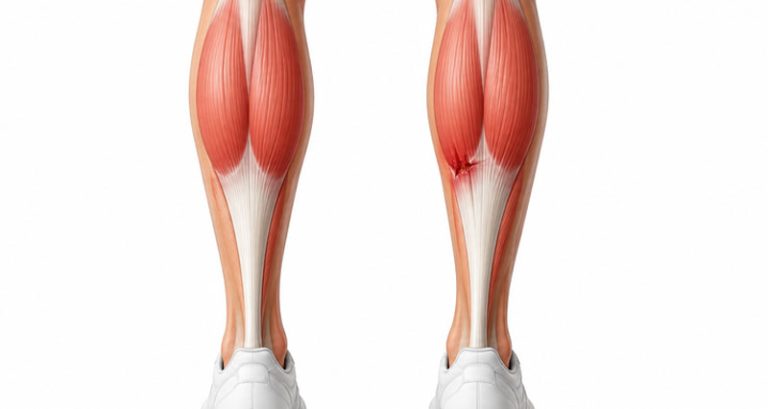
A calf strain is a tear in one or more of the muscles at the back of the lower leg. It commonly occurs during sprinting,

Lateral compartment syndrome occurs when the muscles swell too big for the surrounding sheath causing lower leg pain. It can be acute (if caused by
Lateral Compartment Syndrome Read More »