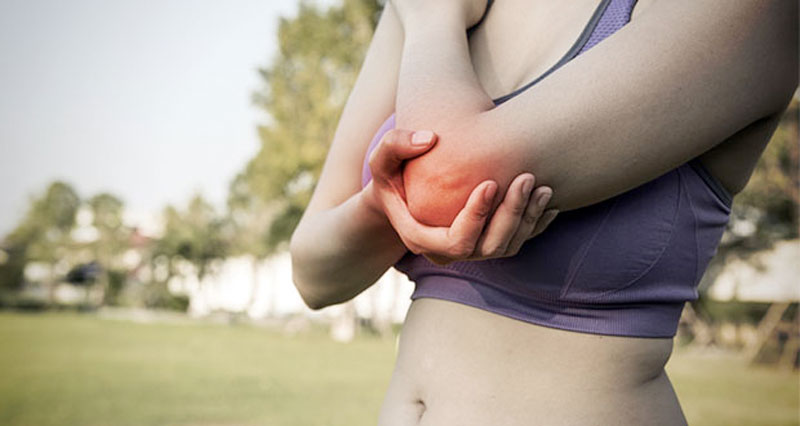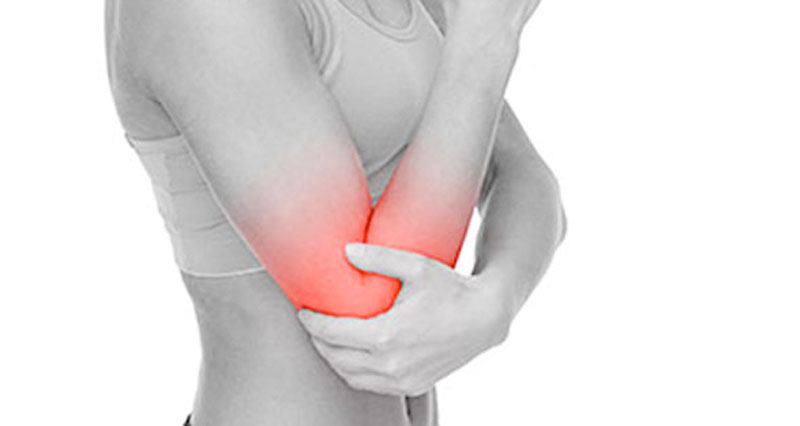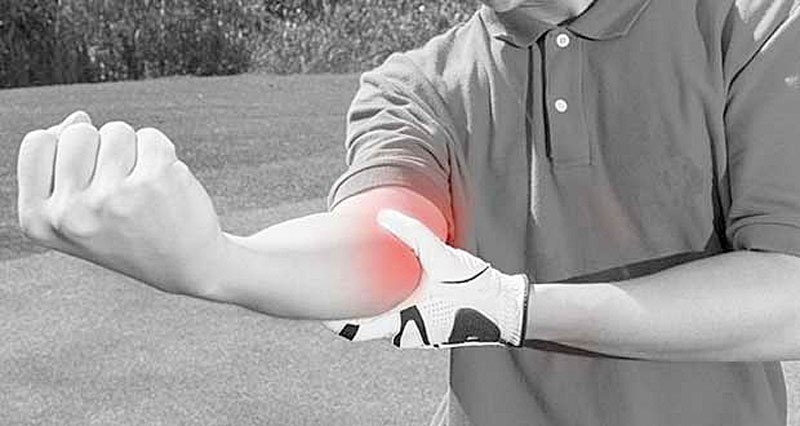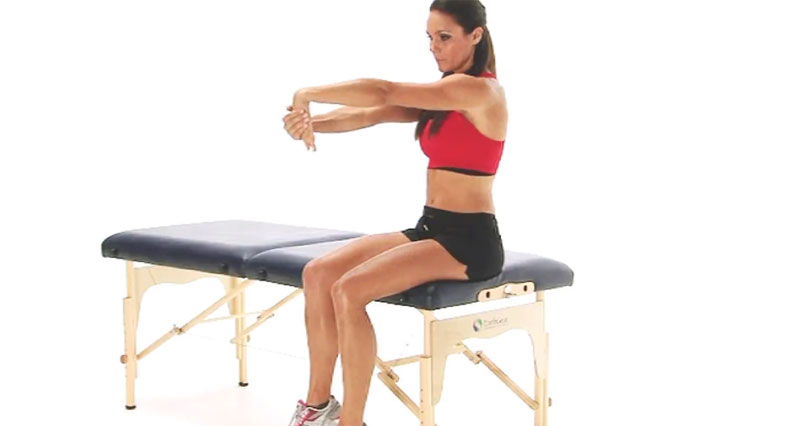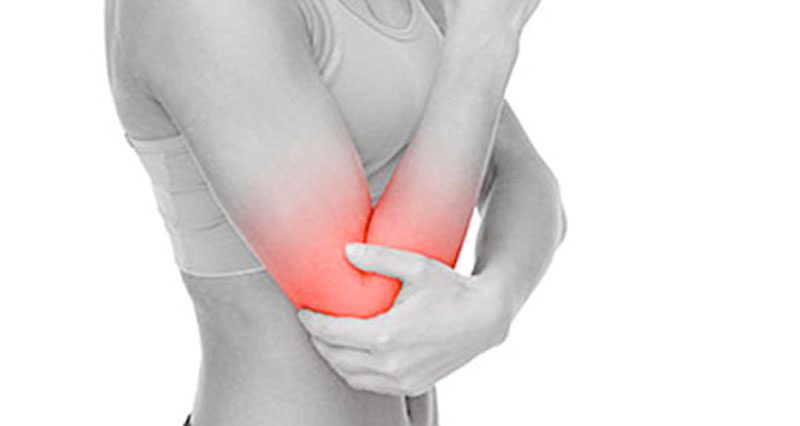
Here we explain the common causes of elbow pain, both sudden onset acute injuries, as well as gradual onset, chronic conditions. Acute injuries include ligament sprains, tendon strains and fractures. Chronic injuries include tendonitis/tendinopathy and nerve impingement.
Select the type or location of your Elbow pain:
- Lateral elbow pain (outside)
- Medial elbow pain (inside)
- Posterior elbow pain (back)
- Acute elbow injuries (sudden onset)
- Forearm Pain
- Immediate first aid for elbow injuries
- When should I see a doctor?
Lateral elbow pain (outside)
The following injuries are common causes of pain on the outside of the elbow:
Tennis elbow – (Lateral Epicondylitis) is the most common cause of elbow pain. Symptoms include gradual onset and chronic pain on the outside of the elbow. Predominantly overuse injuries are more likely to be work-related from repetitive stress.
Radial tunnel syndrome – has similar symptoms to Tennis elbow, with pain on the outside of the elbow. But you may also have pins and needles or tingling in the hand and outer forearm. Your wrist may ache, or pain may radiate into the upper arm.
Osteochondritis dissecans – involves fragmentation of the cartilage and sometimes the underlying bone within the elbow joint. It is common in adolescents, particularly those involved in throwing sports because the ends of the bones are not fully hard. Symptoms include locking and clicking of the elbow, swelling, pain (particularly after activity), and loss of function.
- View all lateral elbow injuries
Medial elbow pain (inside)
The following injuries are common causes of pain on the inside of the elbow:
Golfer’s elbow – is also known as throwers elbow or medial epicondylitis. It is probably the most cause of pain on the inside of the elbow. Symptoms are similar to those of tennis elbow but on the inside. It usually develops gradually through overuse but can also be an acute injury, especially in throwing sports.
Biceps tendonitis – is an overuse injury that causes pain and inflammation on the inside of the elbow.
- View all medial elbow injuries
Posterior elbow pain (back)
The following injuries are common causes of pain in the back of the elbow:
Elbow bursitis – is also known as a student’s elbow. It is inflammation and swelling of the bursa (small sack of fluid) at the back of the elbow. Repetitive impact to the back of the elbow, such as leaning on a desk is a common cause. Over time the bursa becomes swollen, painful, and inflamed.
Olecranon fracture – is a fracture of the large bony bit at the back of the elbow (called the Olecranon). It is usually broken from a direct impact or falls onto a bent elbow.
Triceps tendonitis – is inflammation of the triceps tendon where it attaches to the back of the elbow. Usually an overuse injury, it may also be caused by a sudden impact or fall.
- View all posterior elbow injuries
Acute elbow injuries (sudden onset)
These are common sudden onset or acute elbow injuries:
Fractures – any of the three bones in the elbow joint (the Humerus. Ulna and Radius) can fracture. Severe pain, swelling, and limited movement are common symptoms. If you suspect you have a fracture seek medical attention immediately.
Elbow avulsion fractures – occur when the tendon tears, pulling a small piece of the bone with it. Avulsion fractures are more common in children with symptoms similar to a ligament sprain.
Ligament sprain – ligaments join bone to bone. The most common elbow ligament sprain is a tear to the medial ligament on the inside of the elbow. Repetitive throwing, or throwing with a poor technique where the elbow is low and bent is likely to increase the chance of injury.
- More on acute elbow injuries
Forearm Pain
Pain in the forearm can be sudden onset (acute) and include fractures of either the radius or ulna bones.
- Nerve impingement and overuse of the wrist are common causes of forearm pain.
- Referred pain from higher up the arm or shoulder can also occur.
- More forearm pain
Immediate first aid for elbow injuries
Treat all acute and chronic injuries using the P.R.I.C.E. therapy principles. P.R.I.C.E. stands for Protection, Rest, Ice, Compression, and Elevation. They should be applied at home for at least the first 2 – 3 days.
- Protection – Protect the injury from further damage. Where applicable, the use of an arm sling or elbow support is recommended.
- Rest – Refrain from using the arm/elbow. An athlete must know when to stop training and allow the injured area to heal otherwise repetitive minor injuries can often result in a more severe injury that keeps the athlete out for much longer.
- Ice – The application of ice or cold therapy to the area of the injury can assist in reducing the symptoms of pain and inflammation. You should not, however, apply ice to the outside bone of the elbow as there is a superficial nerve just below the skin. The application of ice to an injury, in the acute phase, can substantially decrease the extent of the damage.
- Compression – The use of compression support to the arm or elbow can help reduce swelling. Compression support which is elasticated and simply fits around the elbow is effective for this.
- Elevation – Keeping the hand elevated above heart level whenever possible to help reduce swelling in the hand due to the effects of gravity. This is best achieved using an upper-arm sling
When should I see a doctor?
You can treat the majority of arm and elbow injuries, especially minor ones at home. However, if you have any of the following symptoms you should seek further medical assistance.
- Severe pain in the upper arm, elbow, or forearm, especially after a fall.
- Severe swelling (oedema) around the injured area.
- An audible “crack” of the upper arm or forearm after a fall.
- If you feel a bone has dislocated out of its joint. This is more common in young children.
- Altered sensation in the hand or arm – such as a feeling of “pins and needles” (paresthesia) or a “loss of feeling” (anaesthesia) in the hand.
- Unable to complete your normal daily activities after the initial 72 hours.
You should seek further medical assistance from your GP or a physiotherapist, sports therapist, osteopath, or chiropractor.
If you have followed the P.R.I.C.E. principles (see below) and are still unable to move the arm at all after 24 hours or still have severe elbow pain that is not subsiding after the first 72 hours you should visit your local A&E department for further assessment. Also, if your elbow “pops out” (dislocated), feels loose (“unstable”) or locks (unable to move the elbow due to extreme pain) then you should consult your doctor or visit A&E.
Secondly, if you have applied for P.R.I.C.E. principles and still have a weakness that lasts a long time (more than 2 weeks), or have ongoing discomfort in your arm or elbow, then seek professional advice from a specialist expert.