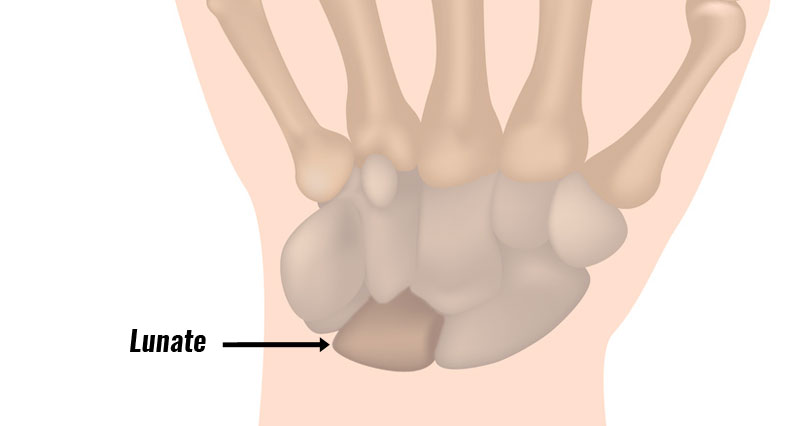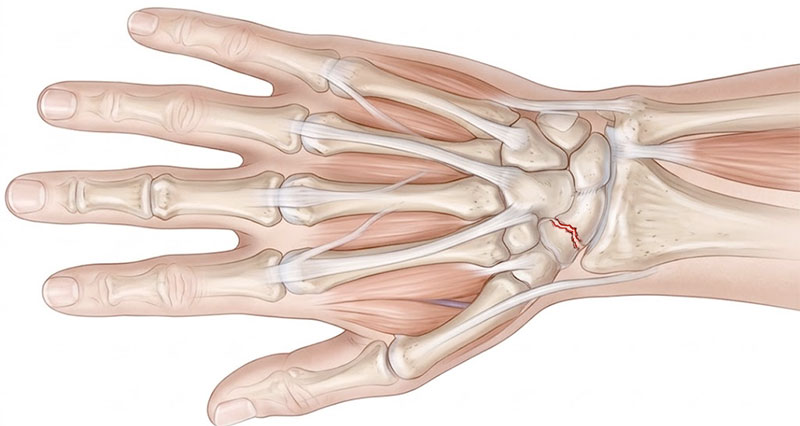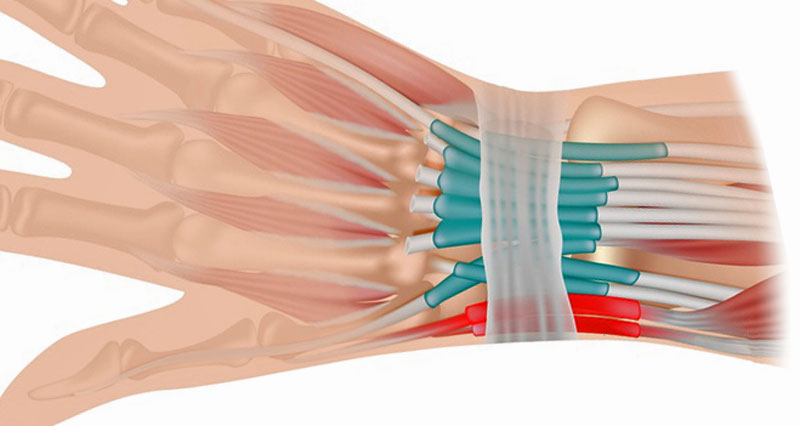
A wrist ganglion cyst is a fluid-filled lump that commonly appears on the back or front of the wrist. It is usually harmless and may come and go, and vary in size. Some ganglions cause no symptoms, while others cause wrist pain, stiffness, weakness, or discomfort with weight-bearing movements. Here we explain the symptoms, causes, and treatment options for wrist ganglion cysts.
On this page:
ADVERT
Ganglion cyst symptoms
A wrist ganglion usually appears as a small round or oval lump around the wrist joint. Common symptoms include:
- A visible lump or swelling on the wrist
- Pain or aching around the wrist
- Pain when bending the wrist or putting weight through the hand
- Reduced wrist movement
- Symptoms that come and go as the cyst changes size
- Tingling or weakness if the cyst presses on a nearby nerve
However, some ganglion cysts are painless and need no treatment.

Diagnosis & imaging
A doctor often diagnoses a wrist ganglion simply by examining the lump. An ultrasound scan may be used if the diagnosis is uncertain. However, an MRI is not usually needed unless there is doubt about the cause of the swelling.
The size of the cyst and the severity of the pain varies from person to person. Some wrist ganglions are not painful so can be left. Others can hinder movement and cause pain, so may require treatment.
When should I see a doctor?
Get medical advice if the lump is painful, growing quickly, follows an injury, causes numbness or tingling, or you are unsure whether it is a ganglion cyst.
ADVERT
What is a wrist ganglion?
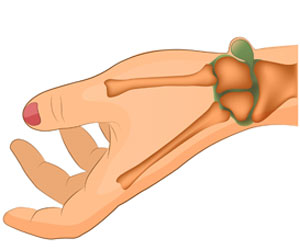
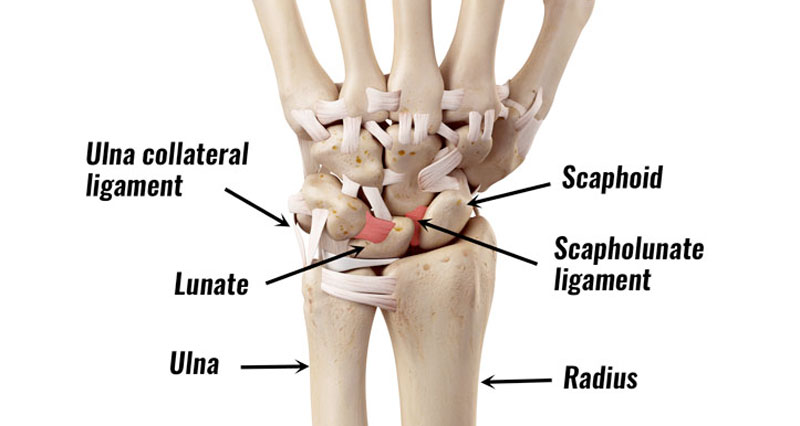
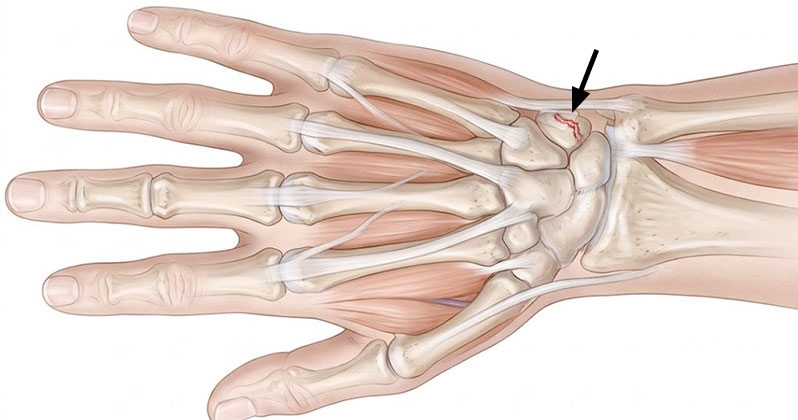
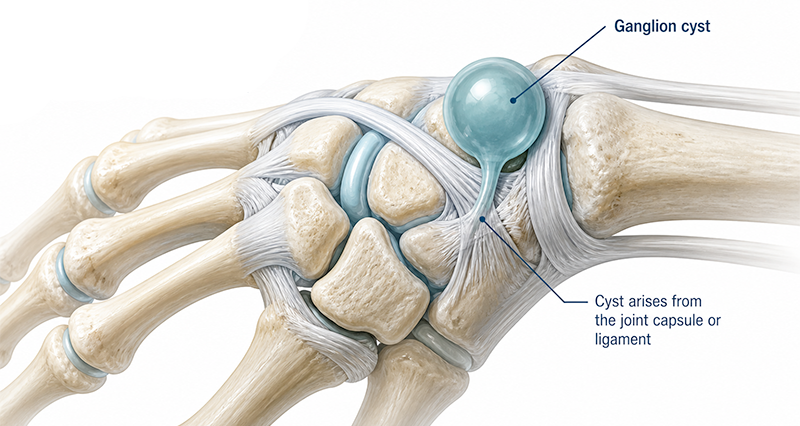
A ganglion cyst is a fluid-filled swelling that develops from tissue around a joint or tendon sheath. In the wrist, ganglions often occur on the back of the wrist near the scapholunate joint, or on the palm side of the wrist. The cyst is filled with thick, jelly-like fluid (not synovial fluid). It may feel firm or rubbery and can vary in size.
What causes a wrist ganglion cyst?
The exact cause is not always known. A ganglion may develop when tissue around a joint or tendon sheath bulges out and fills with fluid. They can occur after wrist irritation or injury, but often appear for no obvious reason. They are more common in younger adults but are also seen in older people with wrist arthritis.
Ganglion cyst treatment
If the cyst is painless, then treatment is often not needed. Many wrist ganglions settle on their own. However, if it is painful or causing problems then your doctor or physio may consider the following:
- Wrist support – wear a wrist support to restrict the painful movement.
- Activity modification – change training methods or exercises for a while to those which are not painful.
- Aspiration – drain. the fluid with a needle, although the cyst often returns.
- Injection of corticosteroids may give temporary relief.
- Surgery – considered if the cyst is painful, persistent, or affects wrist function.
Aspiration removes the fluid but leaves the cyst wall behind, which is why recurrence is common. Up to 70% return, although when they do come back they are often smaller and do not cause as much trouble.
Surgery
Surgery removes the cyst and its stalk, but recurrence is still possible, especially with palm-side wrist ganglions.
Mr Elliot Sorene MBBS FRCS (Tr Orth) EDHS Consultant Orthopaedic, Hand Upper Limb Surgeon talks to sportsinjuryclinic.net about surgery and other treatment options for ganglion cysts.
Surgery is sometimes considered if conservative treatment is not successful where the ganglion can be cut out using keyhole surgery. When it is surgically excised or cut out then the balloon is removed with its stalk that attaches to the ligament but even once this is removed it can still recur.
Recommended products for a ganglion cyst
We recommend the following products from our commercial partners for helping manage a ganglion cyst. There is no cure, but they can reduce pain, protect the wrist an allow normal activity.
- Wrist support or brace – Provides stability and limits excessive wrist movement, helping reduce irritation of the cyst. Particularly useful during sport, lifting, or repetitive tasks. A simple wrap around compression wrist support is idea.
- Cold therapy (ice pack) – Helps reduce pain if the cyst becomes irritated, especially after activity or direct pressure. Apply for 10–15 minutes as needed.
- Cold therapy gel – Also helps reduce pain and inflammation, especially when ice or cold is unavailable.
- Compression sleeve – Offers light support without restricting movement. Suitable for everyday use to help manage mild symptoms.
References & further reading
- Couzens G, Daunt N, Crawford R et al. Positive magnetic resonance imaging findings in the asymptomatic wrist. ANZ J Surg 2014;84(7–8):528–32.