Hydrotherapy is the use of water to provide therapeutic effects for musculoskeletal and neural rehabilitation. Here we explain the benefits, effects and uses of hydrotherapy in sport.
What is Hydrotherapy?
Hydrotherapy uses water to allow exercise and to alter exercise intensity. Increasing buoyancy allows you to do more exercise than on land. Increased temperature and hydrostatic pressure promote increases in circulation and flexibility and decrease in swelling. Increasing speed, turbulence and surface area all increase exercise difficulty.
A hydrotherapy pool is a swimming pool specifically designed for providing hydrotherapy treatments. The main difference is the increase in temperature. A hydrotherapy pools are heated to around 35 degrees Celsius. This allows for the patient to fully relax (and not tense up in cold water), promotes pain relief and encourages circulation.
Hydrotherapy pools should be rectangular in shape and may vary in depth to allow for walking as well as deepwater work. It should be easily accessible and have a hoist available to lower in those who are not able to enter the pool themselves.
Benefits of Hydrotherapy
Hydrotherapy can be very useful in treating many different types of soft tissue and bone injury as well as neuromuscular conditions such as muscular dystrophy.
The benefits of hydrotherapy include:
- Pain relief.
- Reduction in muscle spasm.
- Increased joint range of motion.
- Strengthening of weak muscles.
- Increased circulation.
- Improvement of balance and coordination.
- Re-education of paralysed muscles.
Because of the buoyancy of the water, hydrotherapy allows many individuals to exercise, where they wouldn’t be able to on land. The effect of this increasing buoyancy and decreasing gravitational force means that there is less stress on weight-bearing joints such as the knees and hips. You can perform movements earlier in water than is possible on land.
Uses of Hydrotherapy
Hydrotherapy may be useful in the following conditions:
- Arthritis – both osteoarthritis and rheumatoid arthritis.
- Back pain.
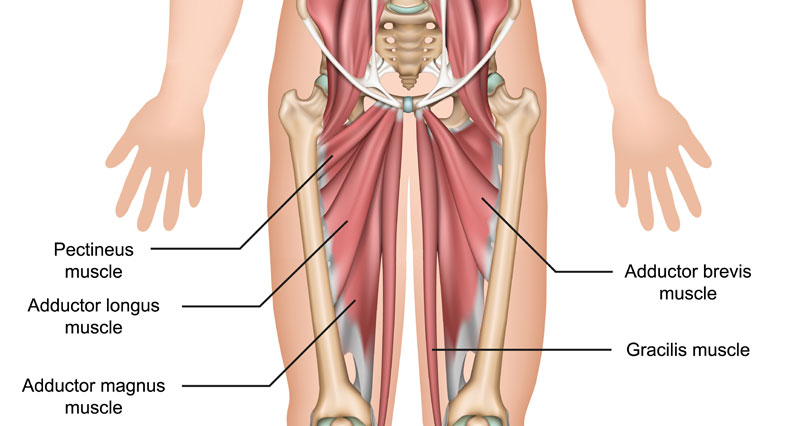
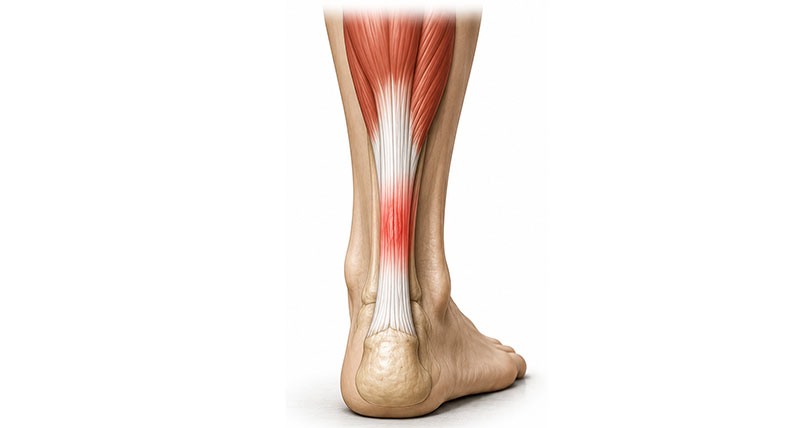
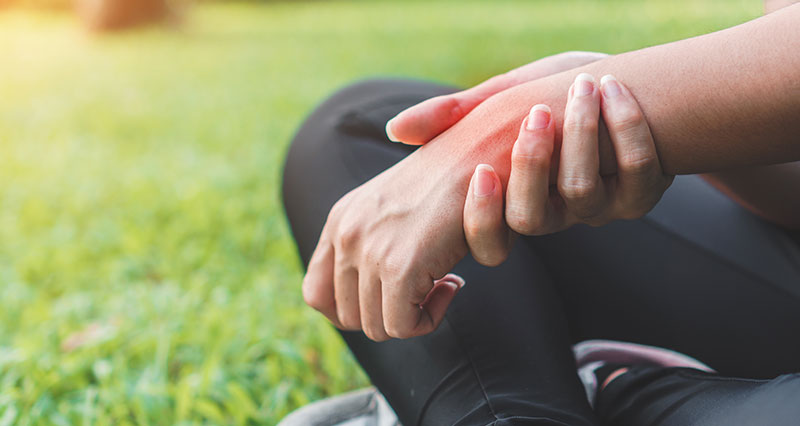
- Musculoskeletal conditions – such as frozen shoulder, ankle sprains and groin strains etc.
- Following surgery for conditions such as knee replacement, hip replacement, ACL reconstruction etc.
- Fibromyalgia.
- Neurological conditions including Muscular Dystrophy, Cerebral Palsy, Multiple Sclerosis, Parkinsons Disease etc.
- After strokes or head injuries.
Contraindications
If any of the following apply then do not use Hydrotheray:
- Inflammation
- Fever
- Heart disease because increasing blood flow increases stress on the heart
- Hypertension (high blood pressure)
- Vascular conditions
- Kidney problems
- Cancer
- Hemorrhage
Exercises
There are many different types of exercise you can do in water.
Forms of hydrotherapy
Hydrotherapy can include anything from floating in the water (Hot tubs) and simply benefiting from the increased temperature and relaxation properties, to full-on, intense exercise sessions. The form of hydrotherapy used will depend entirely on the individual in question and the facilities available.
Many land-based exercises can be adapted to use in the water. Walking in a pool is easier on the joints due to the buoyancy Some state of the art facilities may even have underwater treadmills! Other exercises such as squats and lunges are easier too.
One method of hydrotherapy is known as the Bad Ragaz Ring Method. It is a method of muscle re-education where the patient is floated and specific patterns of resistance, endurance, elongation, relaxation, range of motion, and tonal reduction are used.
Exercise difficulty
As mentioned above, all exercises can be progressed by increasing the speed of the movement or the turbulence of the water. Other methods of increasing difficulty include increasing surface area. This can be achieved for example by holding something wide in the hand (such as a racket or bat) when moving it through the water.
The buoyancy of the water can be used as either a tool to assist movement or to increase the difficulty of an exercise. For example, when exercising the shoulder, the water can be used to help in lifting the arm upwards from by the side. However, it will provide resistance against pushing the arm back down. This resistance can be increased further by attaching a float to the arm.