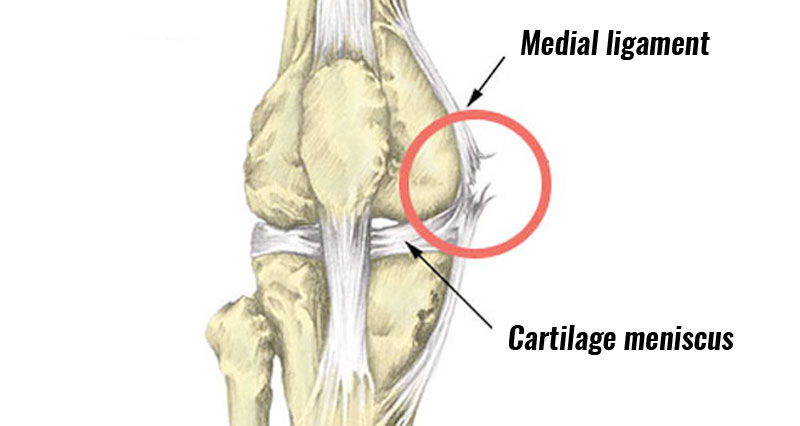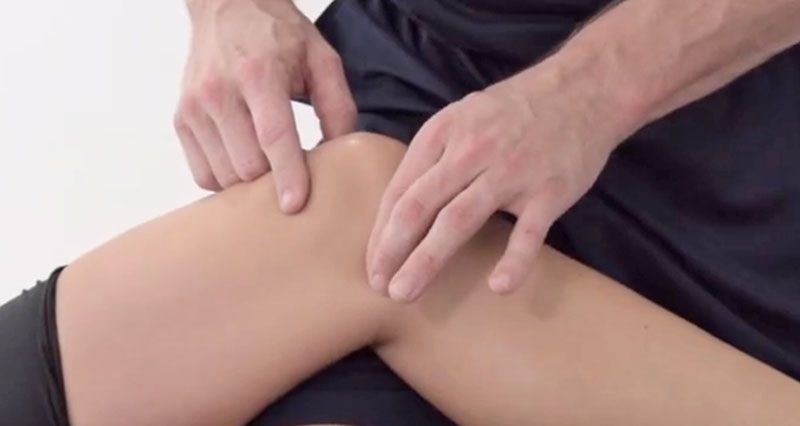
Cross-friction massage is a treatment used during MCL sprain rehabilitation (medial collateral ligament injuries). It involves applying controlled pressure across the ligament to help improve healing and tissue alignment.
This technique is typically used in the later stages of recovery, once the initial pain and inflammation have settled.
Medically reviewed by Dr Chaminda Goonetilleke, 31st Dec. 2021
The following is meant for information purposes. We always recommend seeking professional advice.
What is cross-friction massage?
Cross-friction massage is a specific technique that applies controlled pressure across a ligament or tendon, rather than along it. This helps stimulate blood flow and encourage the correct alignment of healing tissue.
In MCL sprains, it is used to help improve ligament healing and reduce the build-up of scar tissue.
Always check for contraindications (which mean massage is not suitable or could be harmful) before attempting any sports massage treatment.
When can cross-friction massage begin?
This depends on the severity of your injury. Do not apply cross-friction massage during the acute stage.
• Grade 1 MCL sprain: wait approximately 4 to 5 days before starting
• Grade 2 MCL sprain: wait 7 to 10 days or longer before starting
Allow the ligament time to begin healing and lay down new scar tissue. Applying massage too early may disrupt this process.
Cross-friction massage can also be useful later in rehabilitation. It may help improve mobility if the ligament becomes stiff or adheres to surrounding tissue.
How often should I apply cross-friction massage?
Apply cross-friction massage once per day for a few minutes at a time.
Monitor how your knee responds during and after treatment. If symptoms worsen or pain increases the following day, reduce the intensity or stop the treatment.
Massage techniques
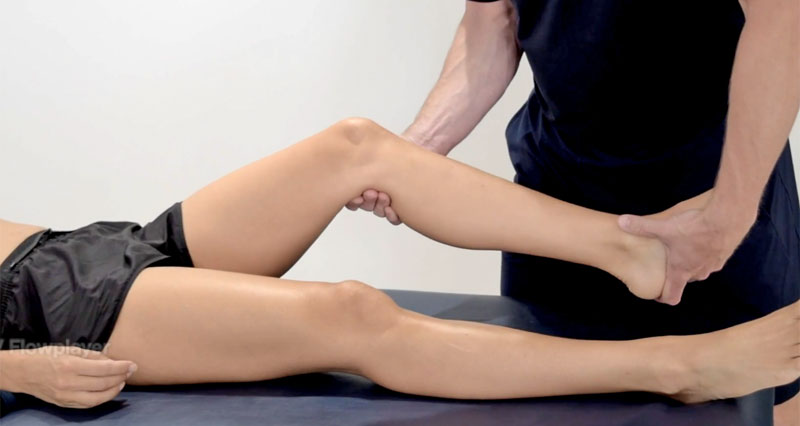
Cross-friction massage technique
- Ensure the skin is clean and free from oil or lotion. Your fingers should not slide over the surface.
- Apply pressure across the ligament using a small back-and-forth movement. Work with the skin so it moves with your finger, rather than sliding over it.
- Use one finger as the contact point. Apply gentle, controlled pressure. Begin lightly and increase pressure gradually if comfortable.
- Limit treatment to a few minutes at a time. The aim is to stimulate healing without causing additional irritation or damage.