Hamstring Strain (Pulled Hamstring)
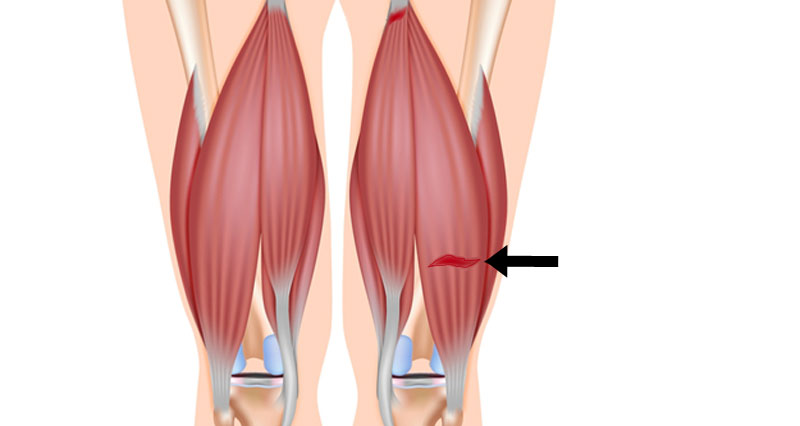
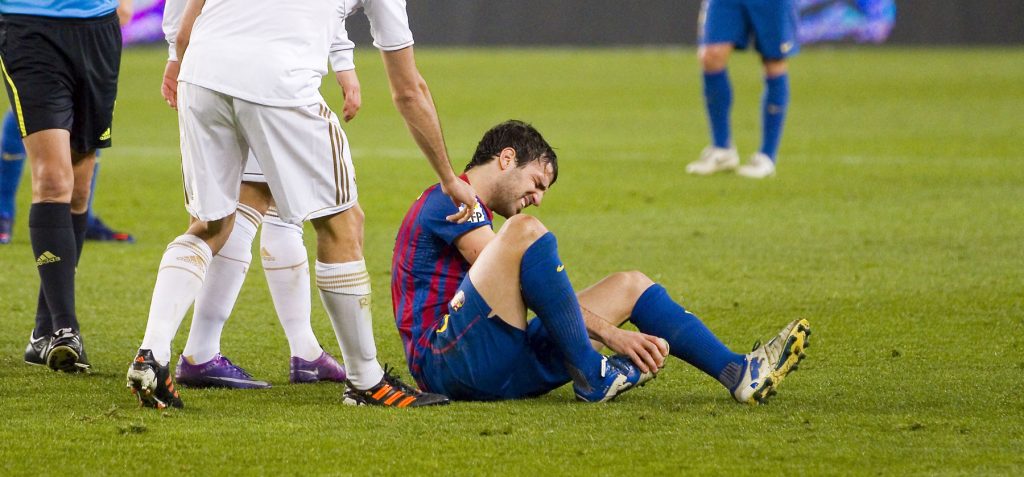
A hamstring strain, or pulled hamstring, is a tear of one or more of the hamstring muscles at the back of the thigh. It commonly occurs during sprinting, kicking, jumping, or sudden acceleration. Injuries range from a mild tightness to a complete muscle tear.
Medically reviewed by Dr Chaminda Goonetilleke, 10th Jan. 2022
Hamstring strain symptoms
Hamstring strains are graded 1, 2, or 3 depending on the severity of the injury:
Grade 1 (Mild)
- Sudden tightness or twinge at the back of the thigh.
- Mild pain when sprinting or stretching.
- Little or no swelling.
- Usually able to continue walking normally.
Grade 2 (Moderate)
- Sudden sharp pain during activity.
- Difficulty continuing to run or play.
- Swelling and tenderness.
- Reduced strength and flexibility.
- Bruising may appear after 24-48 hours.
Grade 3 (Severe)
- Sudden severe pain or a popping sensation.
- Significant swelling and bruising.
- Difficulty walking.
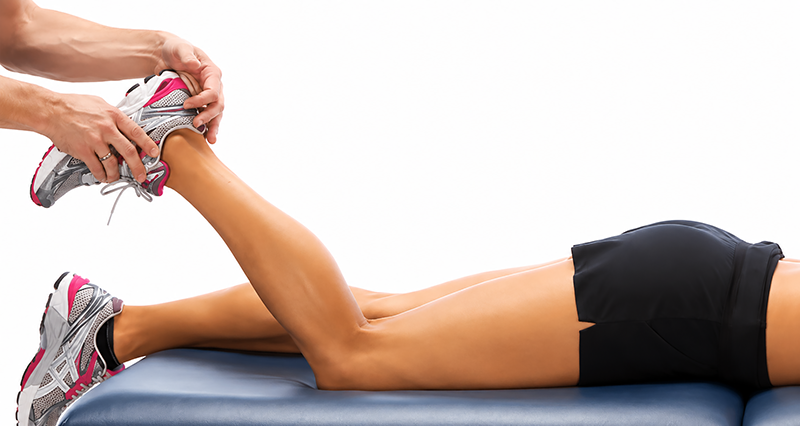
- Weakness when bending the knee.
- A visible gap in the muscle may sometimes be present.
Assessment & Diagnosis
Your physiotherapist or doctor may assess tenderness, flexibility, strength and pain during resisted muscle testing. Most hamstring strains do not require a scan unless a severe tear is suspected or recovery is slower than expected.
Most hamstring strains do not require a scan. However, an MRI or ultrasound scan may be used if a severe tear is suspected or symptoms are not improving as expected.
Other causes of pain at the back of the thigh
Conditions that can mimic a hamstring strain include:
- Hamstring tendinopathy.
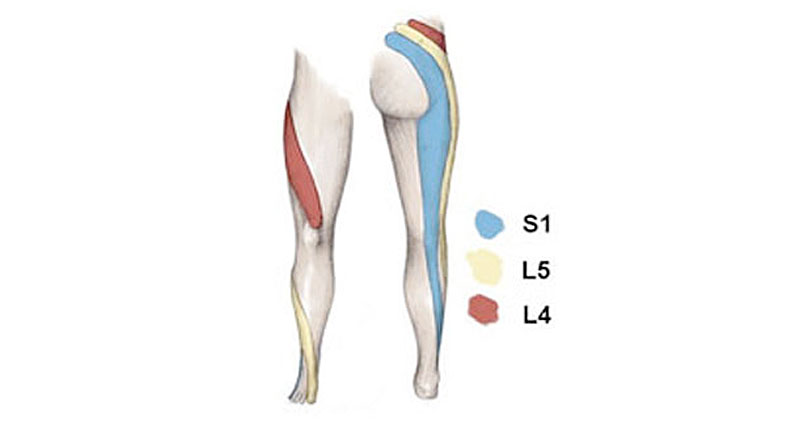
- Sciatic nerve pain.
- Referred pain from the lower back.
- Gluteal muscle injuries.
When to see a doctor
Seek medical advice if:
- You heard or felt a pop at the time of injury.
- You cannot walk without limping.
- There is extensive bruising or swelling.
- You suspect a complete tear.
- Symptoms are not improving after two weeks.
- You experience numbness, tingling or nerve-related symptoms.
What is a pulled hamstring?
A hamstring strain (pulled hamstring) is a tear to any one or more of the hamstring muscles at the back of the thigh.
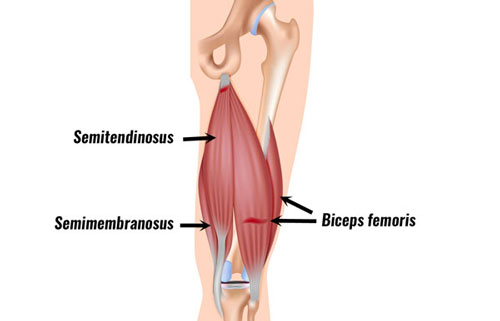
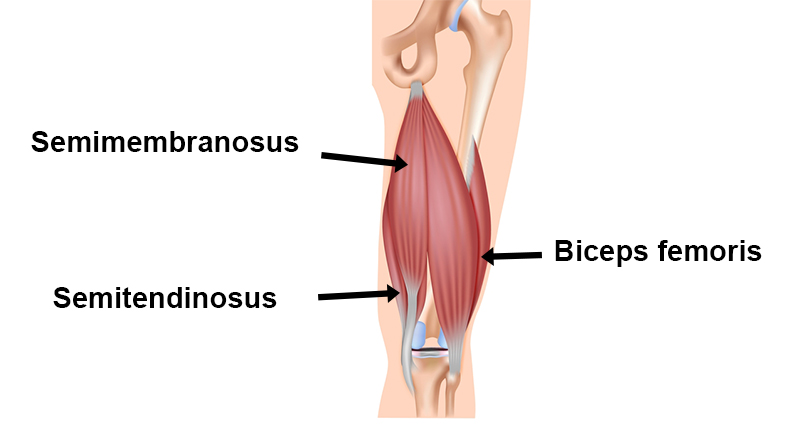
The hamstring muscle group consists of three separate muscles:
- Semitendinosus
- Semimembranosus
- Biceps femoris.
The muscles originate from the lower part of the pelvic bone (ischial tuberosity) and insert into the back of the shin bone (tibia). When they contract, they bend (flex) the knee and help extend the hip (move the leg backwards).
Causes
Hamstring strains usually occur in two ways. They are either sprint-related or stretch-related, commonly during activities such as sprinting, martial arts, gymnastics, or dancing.
Sprint-related hamstring strains
During sprinting, the hamstring muscles work extremely hard. Just before the foot strikes the ground, the hamstrings rapidly decelerate the tibia (shin bone). This is the point at which the hamstring muscle is most vulnerable to tearing.
Sprint-related hamstring injuries usually occur lower down in the biceps femoris muscle, most commonly where the muscle joins the tendon. These injuries often feel more severe initially but typically recover more quickly.
Stretch-related hamstring strains
Stretch-related hamstring injuries usually occur higher up at the back of the thigh and most commonly involve the tendon of the semimembranosus muscle.
These injuries may take longer to heal because the blood supply to the tendon is more limited.
Risk factors
Factors that increase the risk of hamstring injury include:
- Previous hamstring strain.
- Inadequate rehabilitation following a previous injury.
- Poor hamstring strength, particularly eccentric strength.
- Muscle fatigue.
- Sudden increases in training intensity or volume.
- Poor flexibility.
- Weak gluteal muscles.
- Poor running mechanics.
Hamstring strain treatment
Early treatment aims to minimise bleeding within the muscle, reduce pain and protect the injured tissue while healing begins. See our full Hamstring strain rehabilitation program for more detailed information.
First 48-72 hours
During the first few days after injury:
- Stop running, sprinting and other aggravating activities.
- Apply ice or a cold therapy wrap for 15 minutes every 2 to 3 hours.
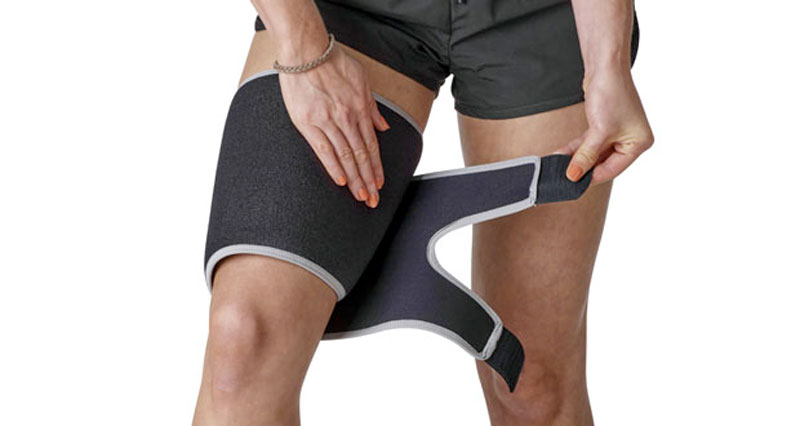
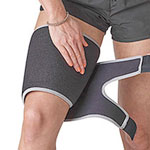
- Wear a compression bandage or thigh support to help reduce swelling.
- Walk normally if comfortable, but avoid activities that cause pain.
- Avoid aggressive stretching, massage and foam rolling.
After 72 hours
As pain settles, treatment should focus on gradually restoring movement, strength and function.
Treatment may include:
- Mobility and flexibility exercises.
- Progressive strengthening exercises.
- Sports massage and soft tissue therapy.
- Running and sprint progressions.
- Sport-specific rehabilitation drills.
Research shows that progressive exercise-based rehabilitation is the most effective treatment for hamstring strains and helps reduce the risk of reinjury.
Surgery
Surgery is rarely required but may be recommended for complete muscle tears or tendon avulsion injuries where the tendon has pulled away from the bone.
Hamstring strain recovery time
Recovery time depends on the severity of the injury and how early rehabilitation begins.
- Mild grade 1 hamstring strains may recover within 1 to 3 weeks.
- Moderate grade 2 injuries often take 4 to 8 weeks.
- Severe grade 3 hamstring tears may take several months to recover and occasionally require surgery.
You should only return to running and sport when:
- You have full pain-free range of motion.
- Hamstring strength is similar to the uninjured side.
- You can jog, accelerate and sprint without pain.
- You can perform sport-specific drills at full intensity.
- There is no increase in symptoms during or after exercise.
Returning to sprinting or sport too early increases the risk of reinjury. A structured rehabilitation programme is important to restore flexibility, strength, running mechanics, and confidence.
Exercises
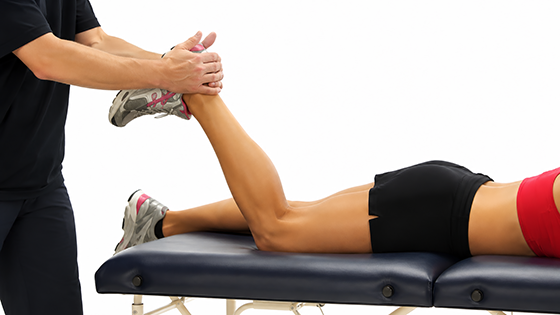
Rehabilitation exercises are essential following a hamstring strain. A structured programme helps restore flexibility, strength, running mechanics, and confidence while reducing the risk of reinjury.
During the early stages of rehabilitation, exercises should remain pain-free and focus on restoring gentle muscle activation and movement.
As symptoms improve, rehabilitation progresses through several stages:
- Early-stage isometric exercises to restore muscle activation
- Gentle mobility and stretching exercises
- Progressive hamstring strengthening exercises
- Eccentric strengthening exercises to improve load tolerance
- Running drills and sprint progressions
- Sports-specific rehabilitation and return-to-play exercises
Dynamic stretching and explosive movements should only be introduced once strength and flexibility have improved sufficiently.
Progressing rehabilitation too quickly is one of the main reasons hamstring strains return. Our step-by-step hamstring rehabilitation programme uses criteria-based progressions to help ensure each stage is completed safely before moving to the next.
More on Hamstring strain exercises
Returning to running after a hamstring strain
Returning to running too early after a hamstring strain significantly increases the risk of reinjury. Running and sprinting place high loads through the hamstring muscles, particularly during acceleration and high-speed movements.
Before returning to running, you should be able to walk pain-free and complete early strengthening exercises without symptoms increasing.
Rehabilitation usually progresses gradually through several stages:
- Walking
- Light jogging
- Moderate-paced running
- Acceleration drills
- Sprint progressions
- Sports-specific running drills
Speed, distance, and intensity should all increase gradually. Any increase in pain, tightness, or loss of confidence may indicate that the hamstring is not yet ready for higher loads.
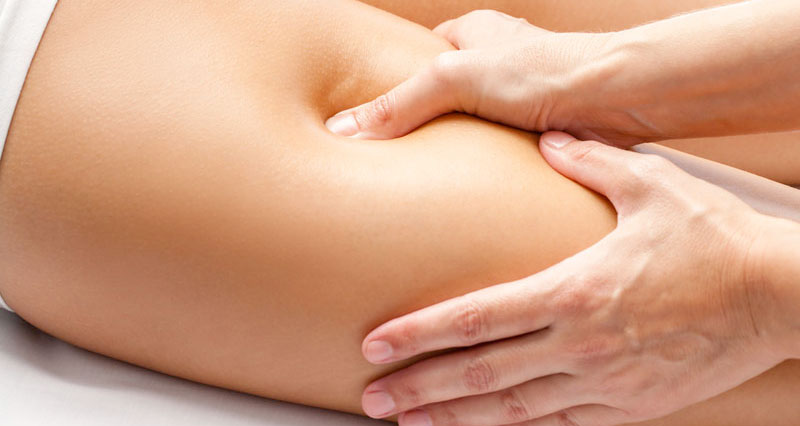
Sports Massage for pulled hamstrings
Once the acute phase is over massage may be beneficial. Initially, it must be very light to avoid damaging the muscle. As healing progresses, massage techniques can gradually become deeper and more targeted. Massage as part of hamstring strain treatment can:
- Help to flush away tissue fluids and swelling.
- Soften and align new scar tissue that has formed.
- Relax tight muscles which have gone into spasm.
- Stimulate blood flow to the area which aids the healing process.
Learn hamstring massage techniques.
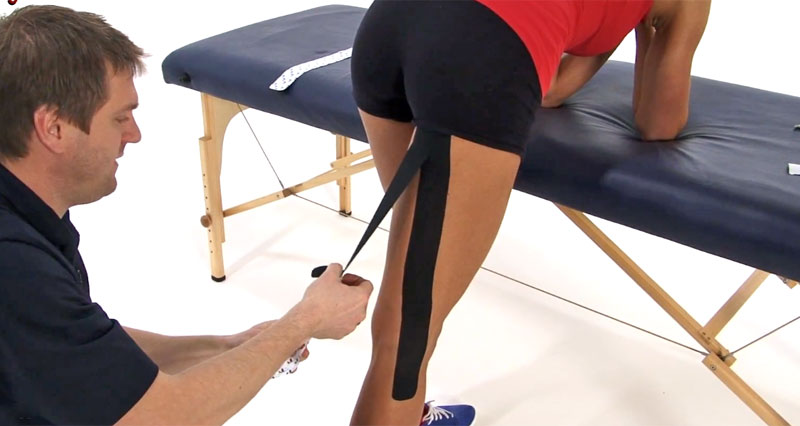
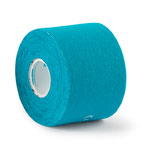
Hamstring kinesiology taping
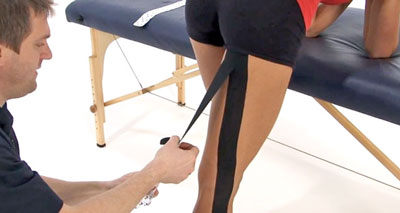
Kinesiology taping may help during the later stages of hamstring rehabilitation by improving muscle awareness and supporting movement during exercise and sport.
Learn Kinesiology taping for hamstrings.
Read more on Hamstring muscles.