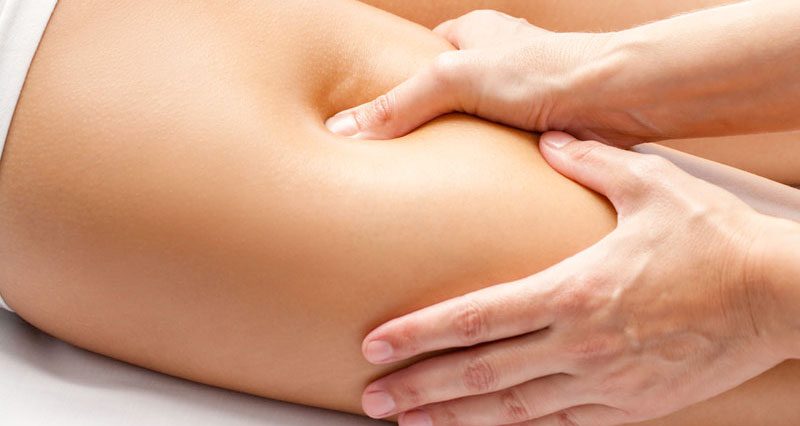
Sports massage can help reduce muscle tightness, improve mobility, and support recovery following a hamstring strain. It is commonly used during rehabilitation and in injury prevention programs for runners, footballers, and other athletes.
Massage techniques should always match the stage of healing. Applying deep massage too early after injury may increase bleeding and delay recovery.
Medically reviewed by Dr Chaminda Goonetilleke, 21st Feb. 2022
ADVERT
The following information is for educational purposes only. We always recommend seeking professional advice before attempting self-treatment.
When can I begin sports massage?
Sports massage may begin once the acute stage has settled. During the early stages of injury, massage should be very light and avoid direct pressure over the injured area.
As healing progresses, massage techniques can gradually become deeper to help restore normal muscle mobility and reduce tension.
If severe pain, swelling, bruising, or a complete muscle tear is present, seek professional assessment before beginning treatment.
Benefits of sports massage for hamstrings
Sports massage may help:
- Reduce muscle tightness and spasm
- Improve flexibility and mobility
- Increase blood flow to the area
- Reduce muscle stiffness after exercise
- Improve tissue quality during rehabilitation
- Help manage scar tissue formation
- Support recovery between training sessions
Massage works best alongside a structured rehabilitation program that includes strengthening, mobility work, and a gradual return to running.
Hamstring massage techniques
Different massage techniques may be used depending on the stage of healing and rehabilitation goals.
Early treatment usually involves lighter techniques designed to improve circulation and reduce muscle tension without aggravating the injury. As healing progresses, deeper soft tissue techniques may help improve mobility, flexibility, and tissue quality.
The video below demonstrates a typical hamstring sports massage sequence using:
- Effleurage
- Petrissage
- Stripping techniques
- Tapotement
- Cupping
- Friction techniques
- Petrissage
- Finishing effleurage
Massage pressure should remain comfortable and should not significantly increase symptoms.
When should massage be avoided?
Massage is not suitable for all injuries and conditions. Avoid massage or seek professional advice if any of the following apply:
Acute muscle tears
Deep massage during the first 48 to 72 hours after injury may increase bleeding and tissue damage.
Open wounds or skin damage
Avoid massage over cuts, grazes, or healing wounds until the skin has properly healed.
ADVERT
Severe contusions
Massaging a deep muscle bruise too early may increase bleeding and raise the risk of myositis ossificans.
Tendon ruptures or fractures
Complete tendon ruptures and broken bones require medical treatment and are not suitable for massage therapy.
Other contraindications
Other conditions where massage may not be appropriate include:
- Infection
- Deep vein thrombosis (DVT)
- Rheumatoid arthritis flare-ups
- Tumours
- Haemophilia
- Acute bursitis
Read more on massage contraindications.
ADVERT
Hamstring strain Rehabilitation Program
Our step-by-step rehabilitation program guides you from early injury management through to full return to sport.