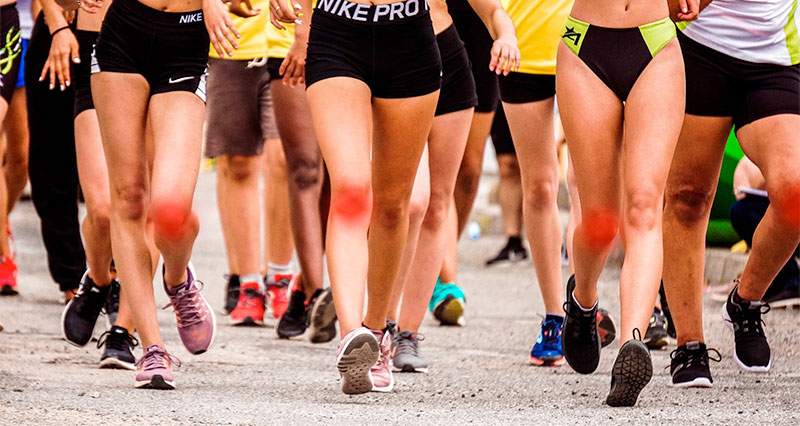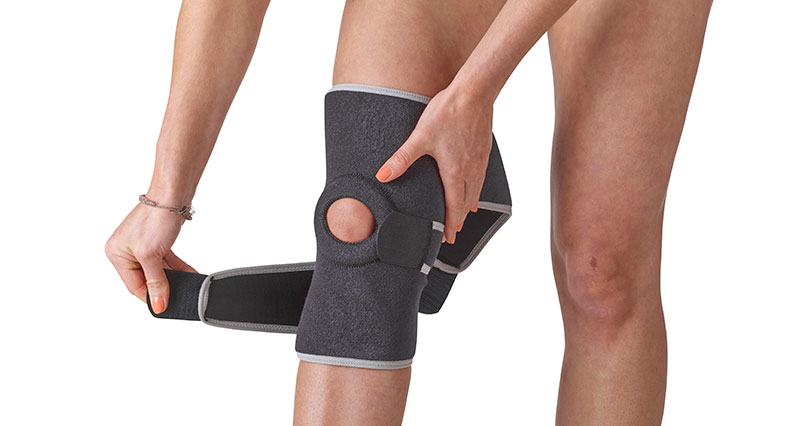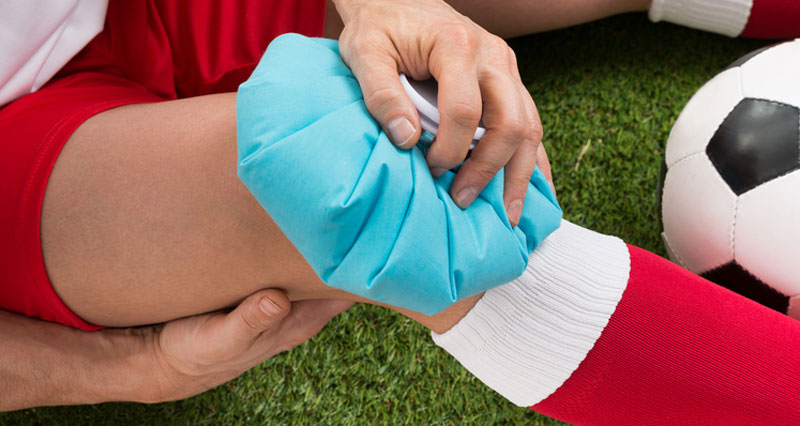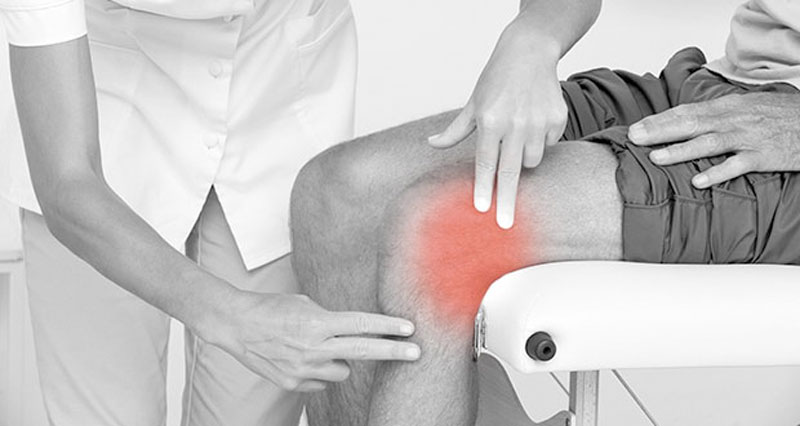
Pain on the inside of the knee is known as medial knee pain. Acute injuries occur suddenly from twisting injury or direct impact. Chronic knee injuries develop gradually over time through overuse or degeneration. Common causes include MCL sprains, cartilage meniscus tears, pes anserine bursitis and osteoarthritis.

Medically reviewed by Dr Chaminda Goonetilleke, 6th July 2026
When to seek medical attention
Seek urgent medical help if you experience any of the following:
- You cannot bear weight
- The knee is severely swollen
- The knee locks completely
- You heard a pop during injury
- You have fever/redness
- Pain follows major trauma
Acute knee injuries (sudden onset)
Acute knee pain is usually sudden onset and includes sprains, meniscus tears & fractures:
Medial knee ligament sprain (MCL sprain)
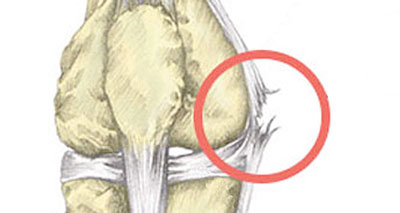
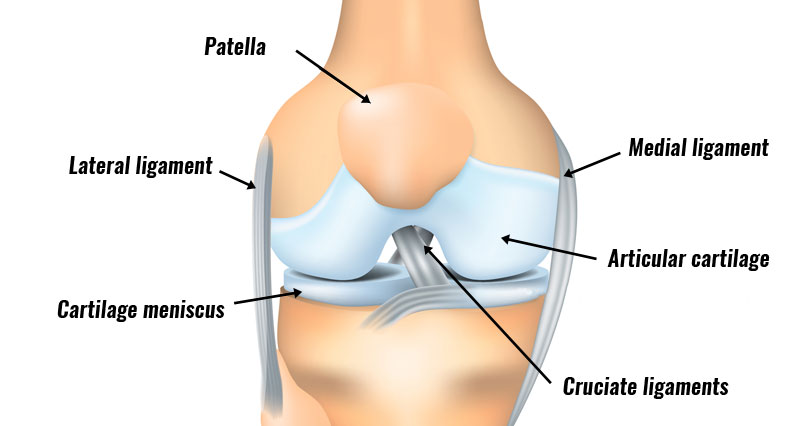
An MCL sprain is a tear to the ligament on the inside of the knee joint. MCL stands for the medial collateral ligament. It is caused either by a direct impact to the outside of the knee or by twisting. Symptoms include:
- Sudden onset pain is located on the inside of the knee.
- Swelling may occur.
- A positive result for a valgus stress test.
- Often they occur in conjunction with an anterior cruciate ligament (ACL) tear. Or with a meniscus tear.
Medial meniscus injury (torn cartilage)
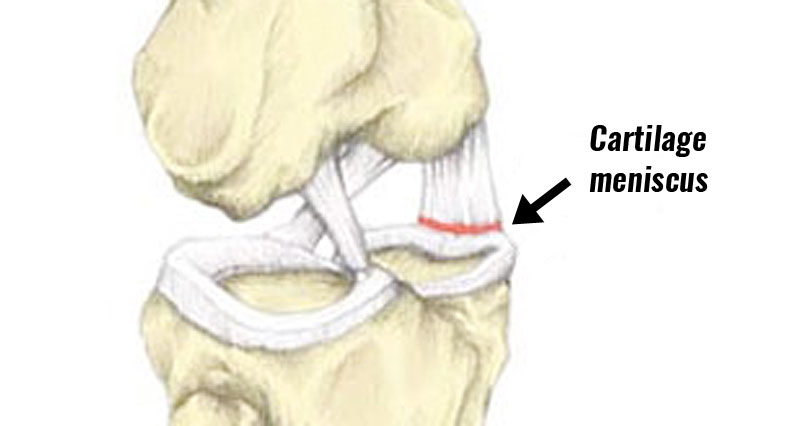
A torn meniscus is a tear of the semi-circular cartilage in the knee joint. It is commonly injured through direct impact in contact sports or from twisting your knee.
However, it can also occur in older athletes through gradual degeneration. Symptoms include:
- Pain on the inside of the knee may occur suddenly, but can also develop gradually.
- You will usually feel pain when fully bending your knee, or squatting down.
- You may have swelling on the inside of your knee, but not always.
- Your knee may also lock or give way.
- It will feel tender when pressing in along the joint line on the inside of your knee.
Gradual onset medial knee pain
Gradual onset or chronic knee pain develops over time. You will probably not be able to pinpoint the exact time your injury occurred. Overuse is a likely cause, resulting in wear and tear or degeneration.
Chronic medial knee pain can also develop following an acute injury which is not treated properly. As a result, it fails to heal properly.
Patellofemoral pain
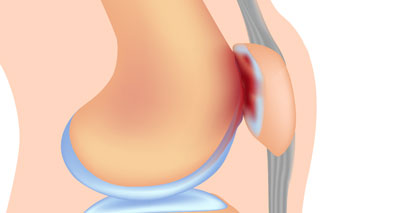
Patellofemoral Pain Syndrome (PFPS) is a common condition causing pain at the front of the knee, specifically around or behind the patella (kneecap). Although symptoms mainly affect the front of the knee, pain may also spread to the inside of the knee. Symptoms include:
- An aching pain in the knee joint, particularly at the front of your knee, around and under the patella.
- You may have tenderness along the inside border of your kneecap.
- Swelling may occur.
- Patellofemoral pain is often worse when walking up and down hills, or sitting for long periods of time.
- More on Patellofemoral pain syndrome
Medial Synovial plica syndrome
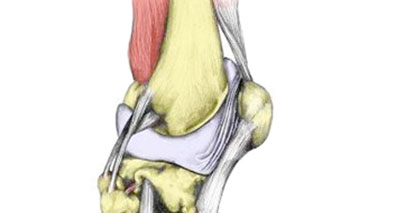
A synovial plica is a fold in the synovial membrane which encloses the knee joint. The plica is found along the inside of the kneecap. Symptoms are similar to patellofemoral pain syndrome:
- Pain and discomfort on the inside of your knee.
- Sharp pain at the front inside edge of your patella.
- You will likely feel a sharp pain when squatting.
- A synovial plica may sometimes feel like a thickened band of tissue under the inside of your kneecap.
- More on Medial Synovial plica syndrome
Pes anserine bursitis/tendinopathy
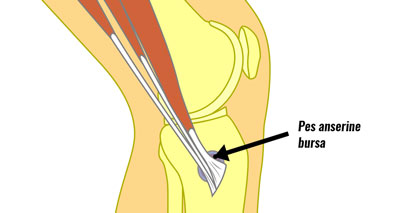
This is a less common cause of pain on the inside of the knee. The pes anserine is the point on the inside of the knee where the tendons of three muscles combine and insert.
- Pes Anserine Tendonitis is often difficult to distinguish from a medial ligament injury.
- Symptoms are similar and both are likely to be painful when stressing the inside of your knee.
Medial compartment osteoarthritis of the knee
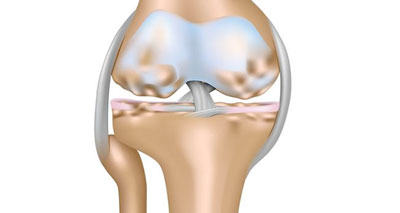
Osteoarthritis is a common cause of knee pain and usually affects people over fifty years old. It occurs when cartilage which protects the bones degenerates. Symptoms include:
- Knee pain develops gradually over time.
- Initially, this may be a deep, aching pain in the inner knee.
- Pain is worse after exercise.
- You are likely to have stiffness and sometimes swelling in the joint.
- Sometimes clicking or cracking noises are heard when moving your knee.
- More on Osteoarthritis of the knee
Subchondral insufficiency fracture (SIFK)
A subchondral insufficiency fracture of the knee is a small crack in the bone just beneath the cartilage surface, most often on the inner side of the knee. It occurs when the bone is not strong enough to handle normal everyday loading – not caused by a single traumatic event but rather by cumulative stress on weakened bone.
It most commonly affects women over 60, and is strongly linked to medial meniscus tears, which increase pressure on the underlying bone. Symptoms include:
- Sudden onset of pain on the inside of the knee that may feel disproportionate to any known injury.
- Pain that is worse with walking and weight-bearing and eases with rest
- Possible swelling around the medial knee
- Symptoms that do not settle as expected with standard treatment
Medial tibial plateau stress fracture
A medial tibial plateau stress fracture is a small crack in the top of the shin bone (tibia), on the inside of the knee. It usually develops gradually through repetitive impact activities such as running or jumping. Symptoms include:
- Gradual onset pain on the inside of the knee.
- Pain worsens with weight-bearing exercise such as running or walking.
- Tenderness over the upper inside part of the tibia.
- Mild swelling may occur.
- Pain often eases with rest but returns when activity resumes.
More on Medial tibial plateau stress fracture coming soon.
Semimembranosus tendinopathy
Semimembranosus tendinopathy is a less common cause of pain on the inside and back of the knee. It affects the tendon of the semimembranosus muscle, one of the hamstring muscles, where it attaches on the inner side of the knee. It usually develops gradually through overuse. Symptoms include:
- Gradual onset pain at the back and inside of the knee.
- Pain worsens during running, sprinting or climbing stairs.
- Tenderness over the inner back part of the knee.
- Symptoms are often worse after exercise or prolonged activity.
- Tight hamstrings may also be present.
More on hamstring tendinopathy.
Baker’s cyst
A Baker’s cyst is a swelling filled with joint fluid which develops at the back of the knee but may cause medial knee pain. It is often linked to underlying knee problems such as arthritis or a torn cartilage (meniscus injury). Symptoms include:
- A feeling of swelling or tightness behind the knee.
- Pain or discomfort at the back and sometimes inside of the knee.
- Symptoms may worsen after activity or prolonged standing.
- The knee may feel stiff or tight when bending fully.
- In some cases, a visible lump may develop behind the knee.
More on Baker’s cyst.
Referred knee pain
Pain on the inside of the knee can result from injuries or conditions elsewhere in the body. In particular, the hip and lower back. The sciatic nerve gets pinched or compressed, resulting in pain which radiates down the leg.
- Read more on sciatica.
Other causes of medial knee pain
Less common causes of pain on the inside of the knee, particularly in children and young athletes, include:
Slipped capital femoral epiphysis (SCFE) – Perthes’ disease – Bone tumours –
- Bone tumours – rare, but persistent or unexplained pain should always be assessed by a doctor.
- Slipped capital femoral epiphysis (SCFE) – a hip condition which may cause referred pain to the knee.
- Perthes’ disease – a childhood hip disorder which can sometimes present as knee pain.
Not sure what is causing medial knee pain?
Try our sports injury symptom checker. Simply select the symptoms which apply to you to view relevant injuries and conditions.
Rehabilitation programs
We have the following rehab programs available on our injury rehabilitation app:

ACL Sprain
Full rehabilitation program
This is a full step-by-step criteria-based rehab program for ACL sprain or anterior cruciate ligament sprain. Created by England Rugby Team Consultant Physio Phil Pask.

MCL Sprain
Full rehabilitation program
This is a full step-by-step criteria-based rehab & strengthening program for Medial knee ligament sprain. Created by England Rugby Team Consultant Physio Phil Pask.
VMO Knee Strengthening
Full rehabilitation program
A full step-by-step criteria-based strengthening program targeting the Vastus medialis oblique muscle. Created by elite -evel football Physio Paul Tanner.
Knee Taping
Video tutorials
Simple sports taping techniques for a variety of knee injuries as demonstrated by Senior sports physiotherapist Neal Reynolds