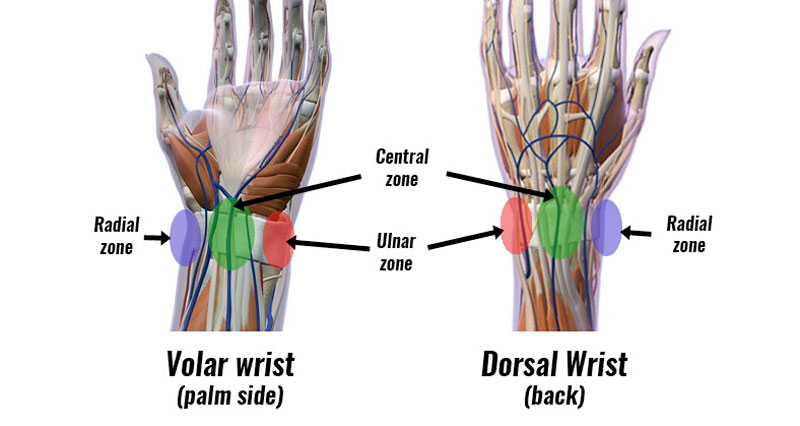
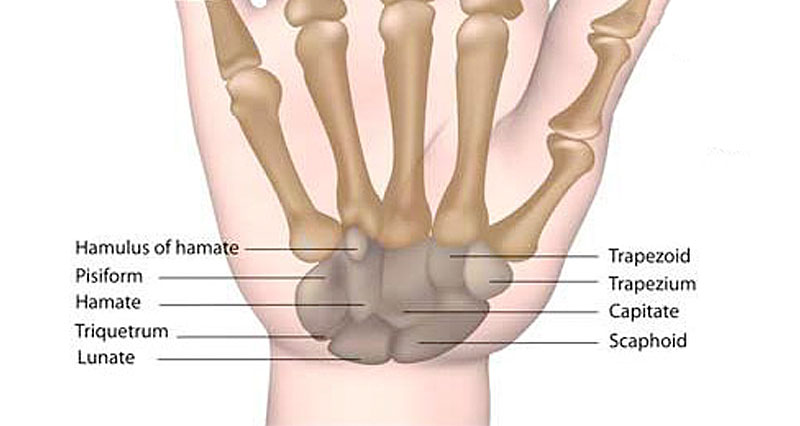
Wrist Injuries By Type
Acute wrist injuries include sprains, strains and fractures. Chronic or overuse wrist injuries develop gradually over time, often through overuse.
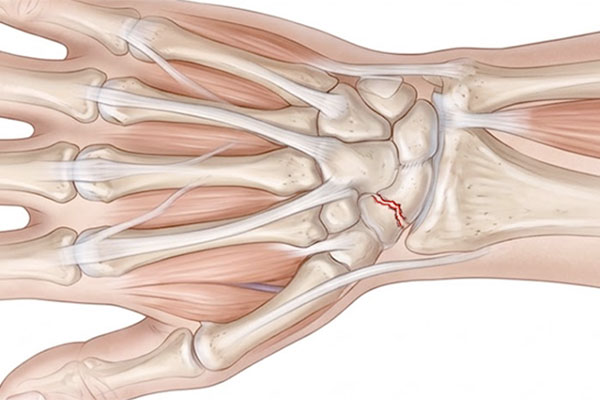

Should I see a doctor for wrist pain?
If you have any of the following red flags then you may want to seek medical attention:
- Severe pain after a fall or injury
- Visible deformity or significant swelling
- Inability to move or use your wrist
- Numbness, tingling or weakness in the hand
- Pain in the thumb side “snuffbox” area
- Symptoms not improving after 1–2 weeks
Read more – do I need surgery?
Is my wrist injury serious?
Use our quick assessment tool to check how severe your wrist pain is and what your next steps should be
Acute Wrist Injuries
Acute wrist injuries occur suddenly, usually from trauma such as a fall, twist or direct impact. The most common causes of acute wrist pain are:
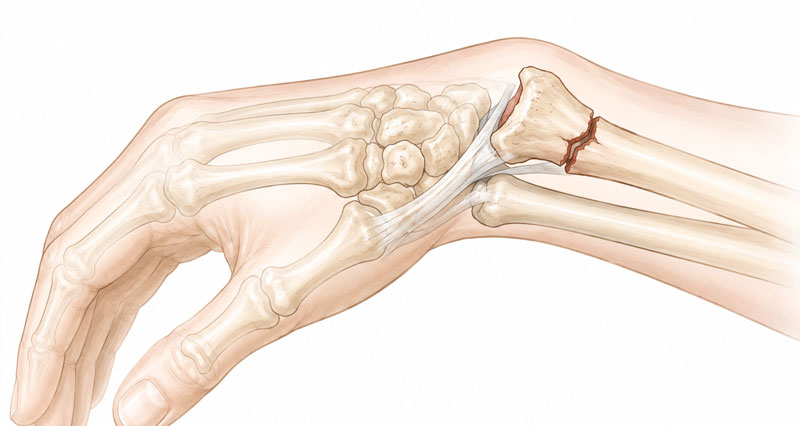
Wrist Fractures
A wrist fracture is a break in one or more of the bones of the wrist, including the radius, ulna or carpal bones. There are several different types of wrist fractures.
Wrist Strain
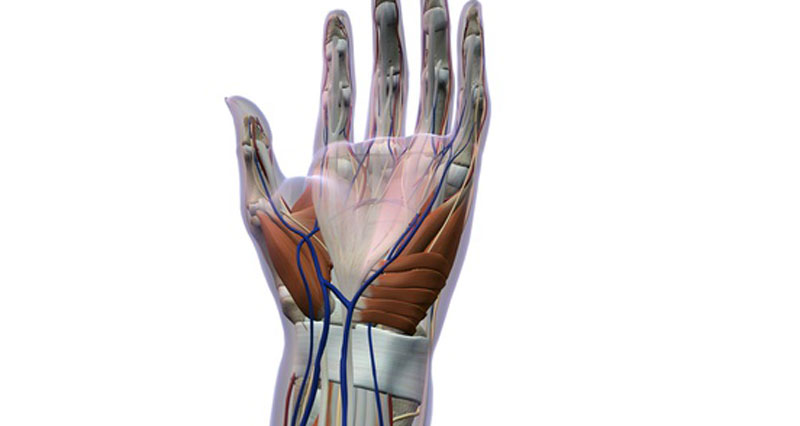
A wrist strain is a tear of any tendon in the wrist. Tendons connect muscles to bones. Wrist strains may occur suddenly, or develop gradually through overuse.

Chronic Wrist Injuries
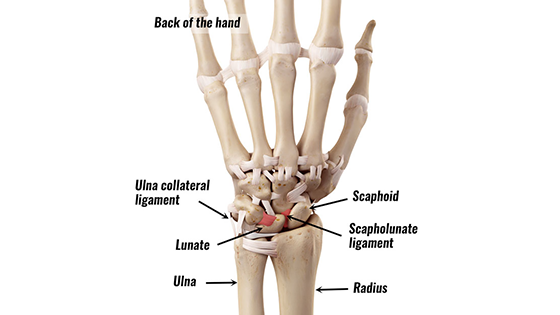
Gradual onset wrist injuries, often from overuse.
Wrist Tendonitis
Wrist tendonitis or tendinopathy is inflammation, or more likely degeneration, of any of the flexor or extensor tendons that cross the wrist joint..
Carpal Tunnel Syndrome
Carpal tunnel syndrome symptoms consist of dull ache in the wrist and forearm. Pain also radiates into the hand and fingers – often worse at night.
Useful links
More wrist injuries
External links
The following are useful external links to our partner websites:
- Buy wrist supports for acute and chronic wrist injuries at UPMedical.co.uk