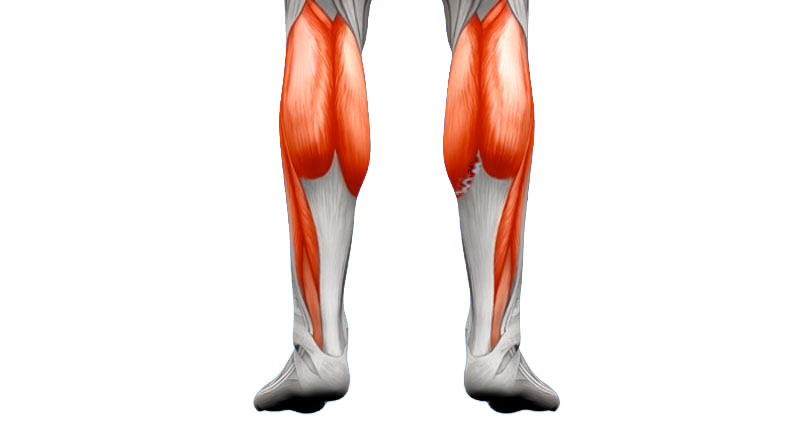
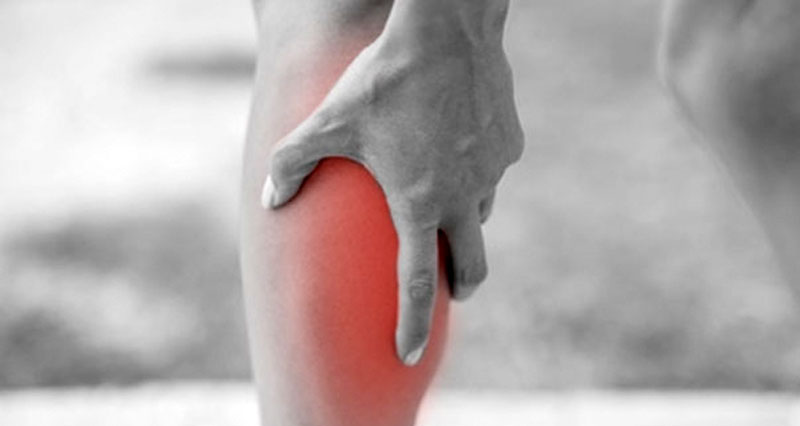
A foam roller can help reduce muscle tightness and discomfort after a calf strain, particularly when regular hands-on treatment is not available.
Used correctly, it helps improve tissue quality and maintain mobility during rehabilitation. However, it should be introduced at the right stage and never used aggressively on a recent injury.
Should I use a foam roller for a calf strain?
Foam rolling can be useful during calf strain recovery, especially alongside a structured rehabilitation program.
It helps to:
- Reduce muscle tightness
- Improve blood flow to the area
- Maintain flexibility between treatment sessions
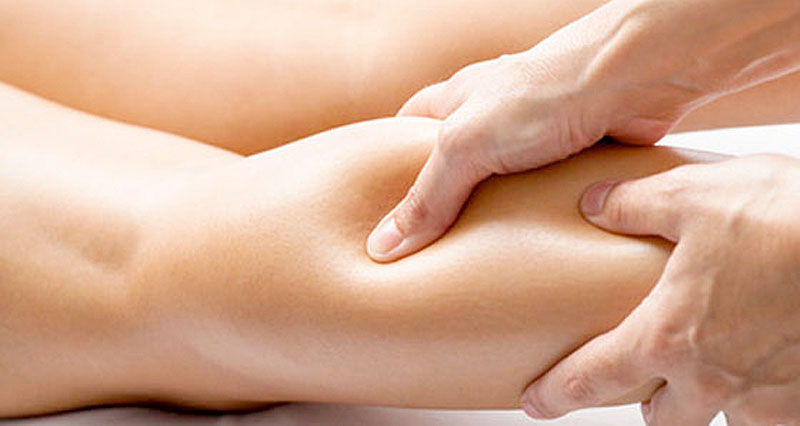
If you already receive sports massage or physiotherapy, a foam roller is a useful way to manage symptoms between sessions.
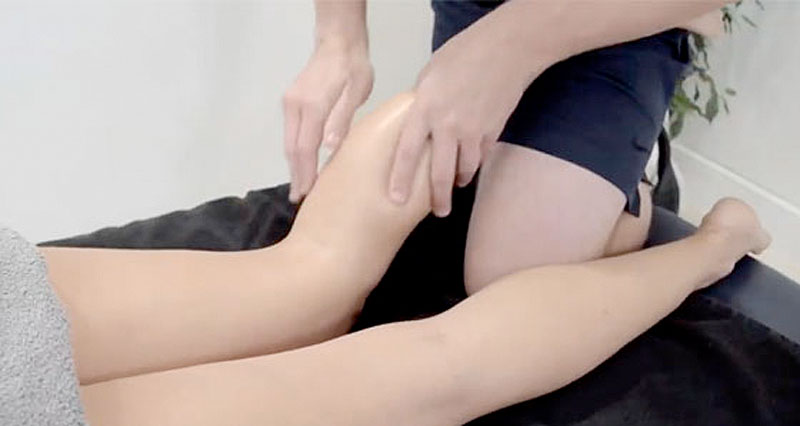
Foam rolling with a partner
- Lie face down with your leg relaxed
- Your partner applies gentle pressure using the roller
- Start near the Achilles tendon and work upwards
- Use slow, controlled movements
- Pressure should feel firm but not painful
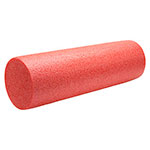
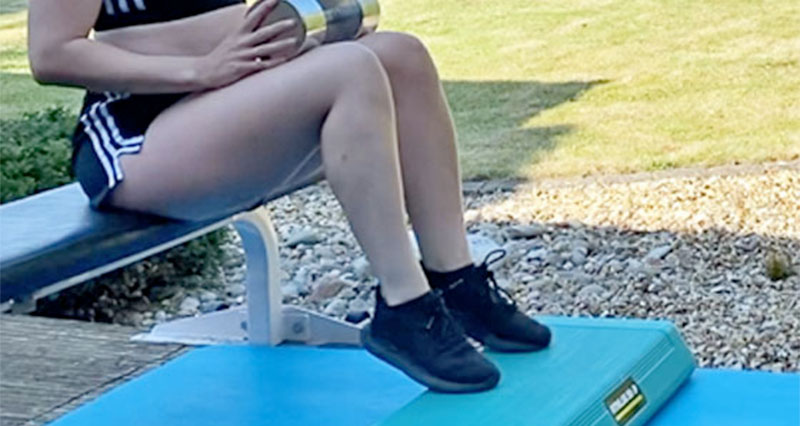
Foam rolling on your own
- Sit with your calf resting on the foam roller
- Support your body with your hands behind you
- Roll slowly up and down the calf muscle
- Pause on tight areas briefly
- Keep pressure controlled and avoid sharp pain
Why it matters
Foam rolling is not a replacement for rehabilitation. It supports recovery by improving muscle quality, but strength and loading exercises are what restore full function and reduce re-injury risk.