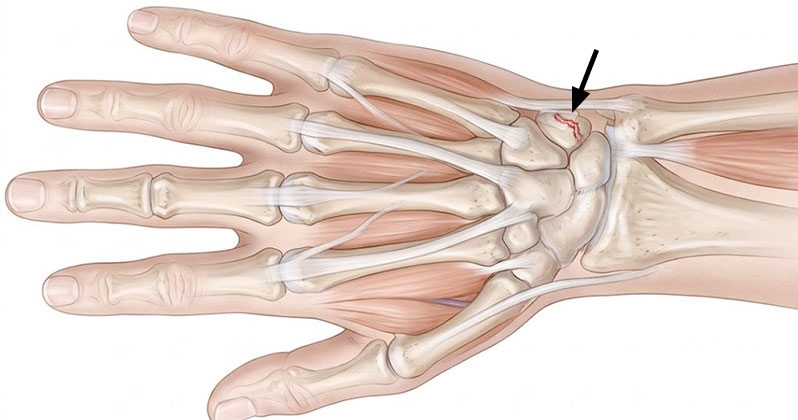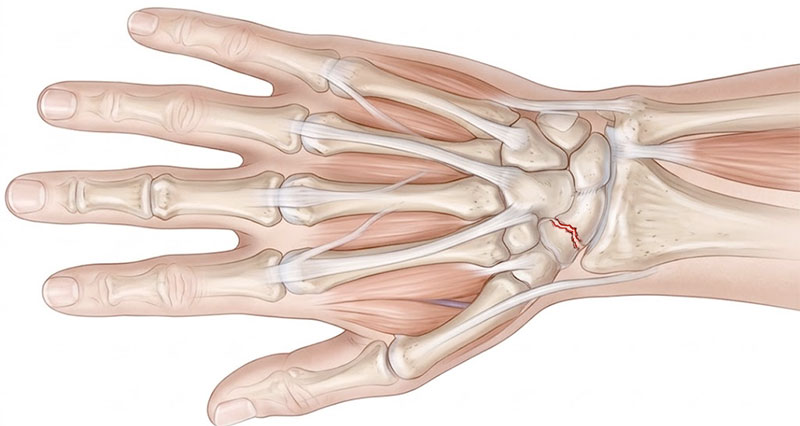
A distal radial epiphysis injury, also known as gymnast’s wrist, is an overuse injury affecting the growth plate at the wrist end of the radius bone. It commonly affects young gymnasts and other athletes, causing wrist pain, tenderness and reduced wrist movement. Early treatment is important to prevent long-term damage to the growth plate.
Symptoms
Symptoms of a distal radial epiphysis injury include:
- Gradual onset pain at the wrist end of the radius bone.
- Pain is often worse when the wrist is extended (bent backwards).
- Reduced wrist extension, which may affect sporting performance.
- Tenderness pressing over the growth plate.
- Mild swelling around the wrist.
- Pain when weight-bearing through the hands.
Diagnosis
A doctor or physiotherapist can usually suspect gymnast’s wrist from the symptoms and training history. Additionally, X-rays may show widening or irregularity of the growth plate compared with the opposite wrist. In some cases, an MRI scan is required to assess the extent of the injury and rule out other conditions.
Injuries with similar symptoms include:
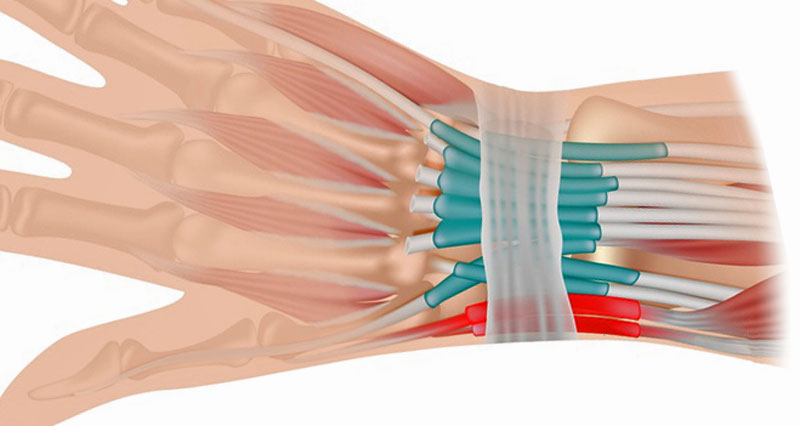
- Wrist tendonitis/tendinopathy
- Ganglion cyst
- Scaphoid fracture
- Wrist ligament injuries
- Stress fracture of the distal radius
What is a distal radial epiphysis injury?
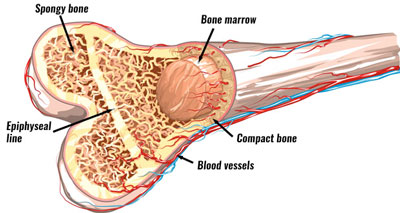
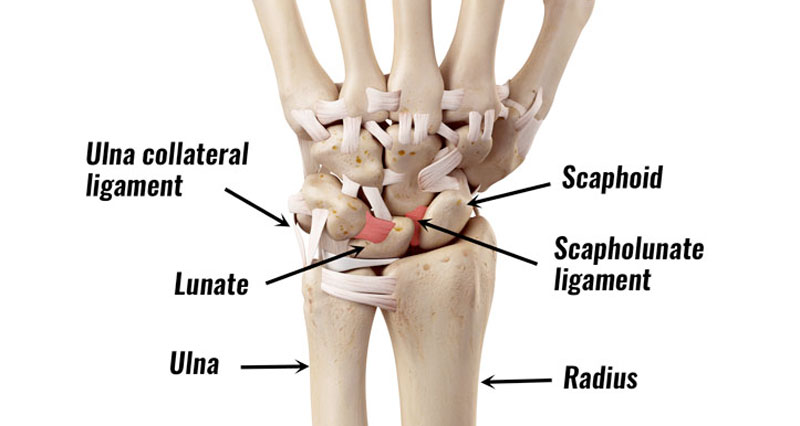
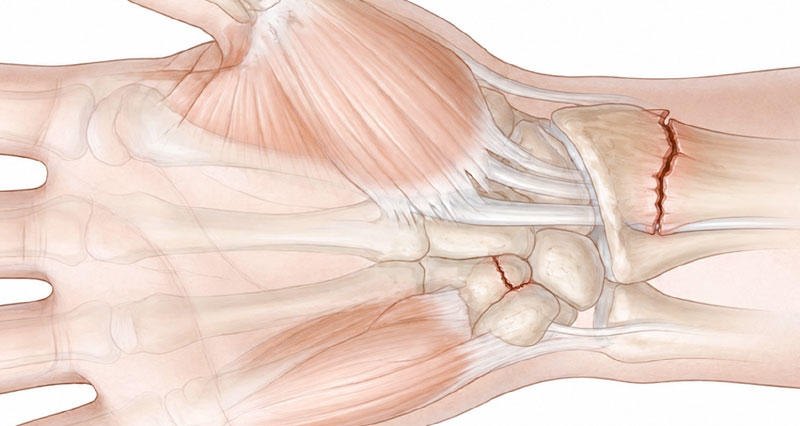
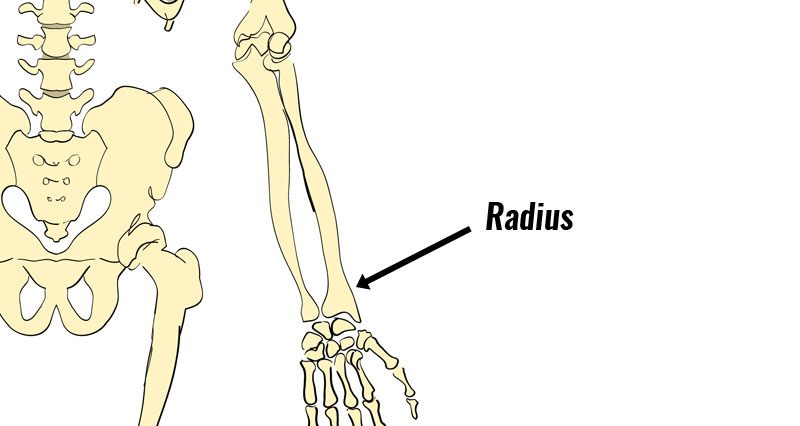
The radius is one of the two bones in the forearm. At the wrist end of the radius is a growth plate (physis), which remains open until skeletal maturity.
Repeated loading through the wrist places stress on this developing growth plate. Over time, this can cause irritation, inflammation and widening of the growth plate. The condition most commonly affects gymnasts aged 10 to 14 years but can occur in any young athlete who regularly bears weight through their hands.
If left untreated, a distal radial epiphysis injury may lead to premature closure of the growth plate and long-term wrist problems.
Treatment of a distal radial epiphysis Injury
Treatment aims to reduce stress on the growth plate and allow it to heal through rest and training management.
- Stop activities that cause wrist pain.
- Modify training to reduce weight-bearing through the hands
- Apply ice after activity, especially if the wrist is painful.
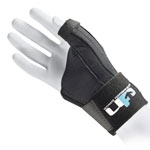
- Wear a wrist splint to protect the wrist and allow healing.
- In more severe or persistent cases your doctor may use a cast.
- Gradually return to sport once pain-free and wrist movement has returned.
How long will it take to recover?
- A distal radial epiphysis injury can take months to recover from and should not be rushed.
Exercises
Strengthening the forearm muscles with specific wrist and hand exercises should be done. This will reduce the load and balance of weight-bearing on the wrist. Often young gymnasts will overextend their wrists to compensate for a lack of strength. This is thought to be a significant cause of distal radial epiphysis injury.
References & further reading
- DiFiori JP, Caine DJ, Malina RM. Wrist pain, distal radial physeal injury, and ulnar variance in the young gymnast. Am J Sports Med 2006;34(5):840–9.