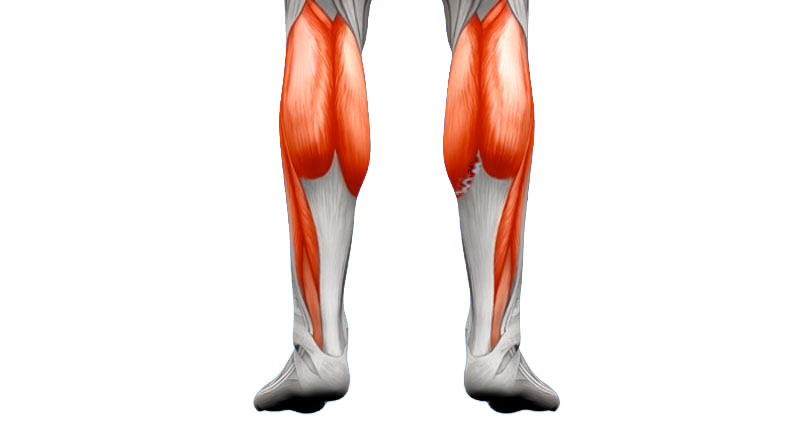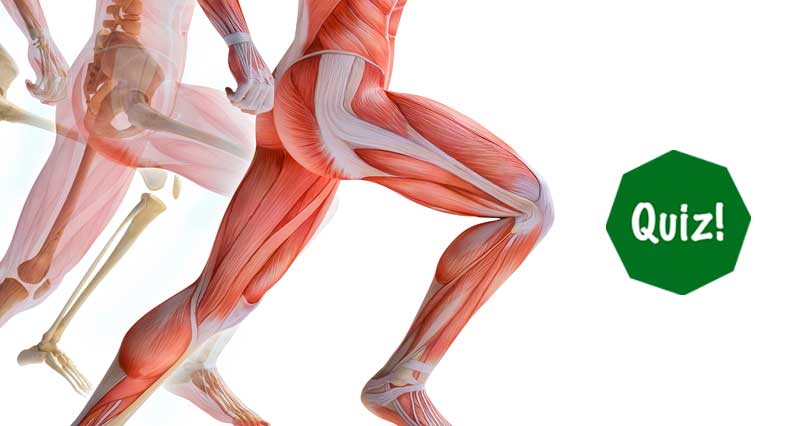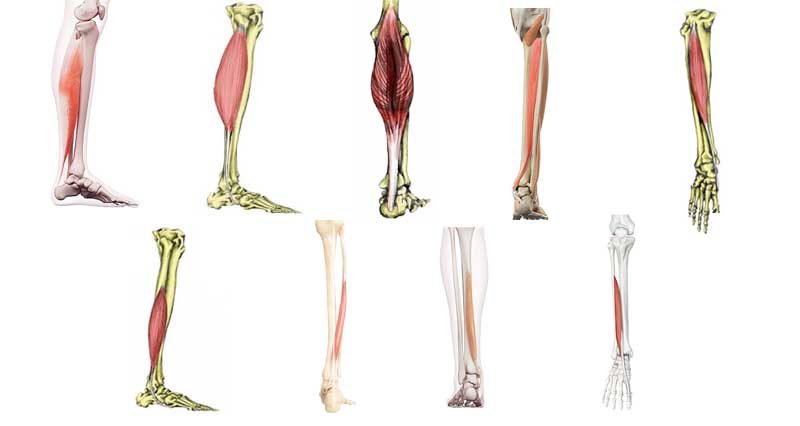
The ankle muscles include the gastrocnemius, soleus, tibialis posterior, tibialis anterior, peroneus longus, peroneus brevis, flexor hallucis longus, flexor digitorum longus, extensor hallucis longus and extensor digitorum longus. Test your knowledge with our ankle joint muscles quiz.
Movements at the foot and ankle?
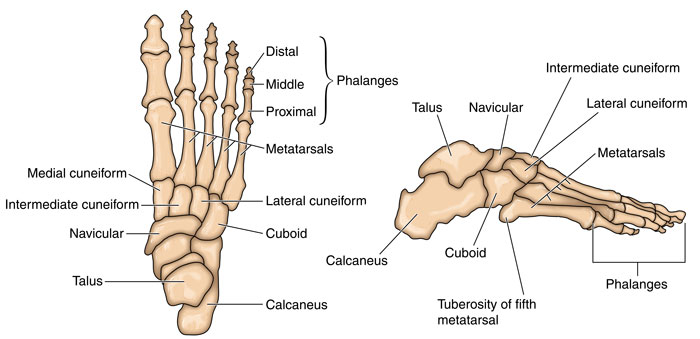
The ankle joint consists of the tibia and fibula shin bones, which sit on the talus and calcaneus at the back of the foot. The foot itself comprises 26 bones. The movements available are:
- Plantar flexion (going up on your toes)
- Dorsiflexion (lifting your foot up)
- Inversion (turning sole of foot inwards)
- Eversion (flattening/turning sole of foot outwards)
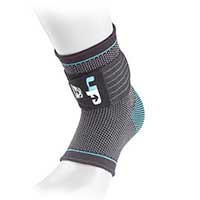
Muscles of the lower leg and ankle
The following muscles move the foot and ankle:
Tibialis Posterior
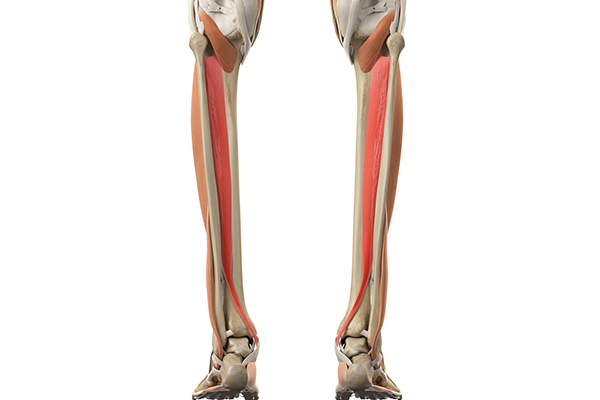
The Tibialis Posterior is the deepest of all the calf muscles. It helps to support the arch of the foot.
- Origin: Interosseous membrane (between the tibia and fibula). Posterior surfaces of the tibia and fibula, adjacent to the interosseous membrane.
- Insertion: Navicular tuberosity, Cuneiforms, Cuboid, 2nd, 3rd, and 4th metatarsals.
- Actions: Plantar flexion & Inversion.
- Innervation: Tibial nerve.
- Daily uses: Pushing down car pedals
- Example strengthening exercises: Tibialis posterior exercise with band.
Tibialis Anterior Muscle
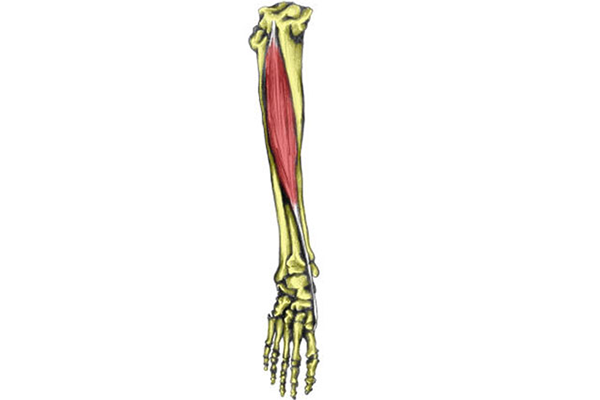
Tibialis anterior forms the main fleshy part of the outside of the shin. It is a dorsiflexor of the ankle.
- Origin: Upper 1/2 of lateral and anterior surfaces of the tibia.
- Insertion: Inner surface of the medial cuneiform and 1st metatarsal.
- Actions: Inversion & Dorsiflexion.
- Innervation: Deep peroneal nerve.
- Daily uses: Walking – to lift the foot up and clear the ground.
- Example strengthening exercises: Toe raises.
- Example stretches: Shin stretch.
- Related injuries: Anterior compartment syndrome.
Soleus
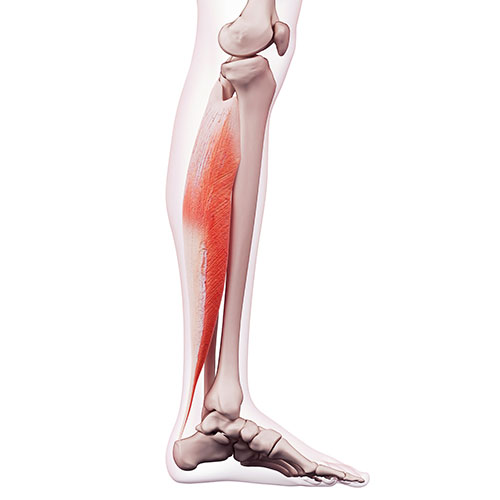
Soleus is a large muscle, deep to Gastrocnemius. Together the Gastrocnemius, Soleus, and Plantaris are known as Triceps Surae. Soleus is used constantly in standing to maintain an upright position.
- Origin: Upper half of the posterior surface of the tibia, along the soleal line.
Upper third of the posterior fibula. - Insertion: Posterior surface of the calcaneus via the Achilles tendon.
- Actions: Plantar flexion.
- Innervation: Tibial nerve.
- Daily uses: Standing upright.
- Example strengthening exercises: Seated calf raises.
- Example stretches: Soleus stretch.
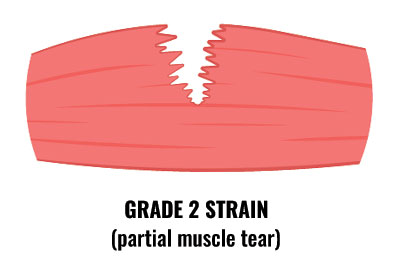
- Related injuries: Calf strain.
Peroneus Longus
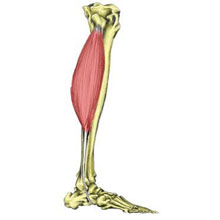
Peroneus Longus is one of the peroneal muscle groups which passes down the outside of the lower leg and everts (turn out) the foot. These muscles are sometimes referred to as fibularis longus and brevis due to their attachments on the fibula.
- Origin: Head of fibula. Upper 2/3 of fibula.
- Insertion: Base of underside of first metatarsal.
Undersurfaces of cuneiforms. - Actions: Eversion. Plantarflexion.
- Innervation: Superficial peroneal (fibular) nerve.
- Daily uses: Walking on uneven surfaces.
- Example strengthening exercises: Active eversion with band
- Example stretches: Peroneals stretch.
Peroneus Brevis
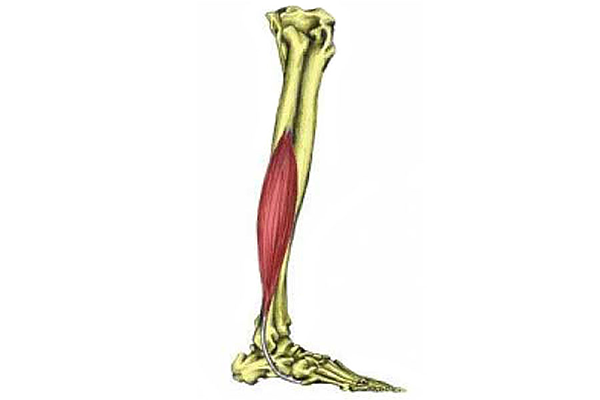
Peroneus Brevis is one of the peroneal muscles in the ankle which passes down the outside of the lower leg and everts (turn outwards) the foot. These muscles are sometimes referred to as Fibularis brevis and longus due to their attachments on the fibula.
- Origin: Lower 2/3 of the lateral surface of the fibula.
- Insertion: Base of the 5th metatarsal.
- Actions: Eversion Plantarflexion.
- Innervation: Superficial peroneal (fibular) nerve.
- Daily uses: Walking on uneven surfaces.
- Example strengthening exercises: Active eversion with band
- Example stretches: Peroneals stretch.
Gastrocnemius
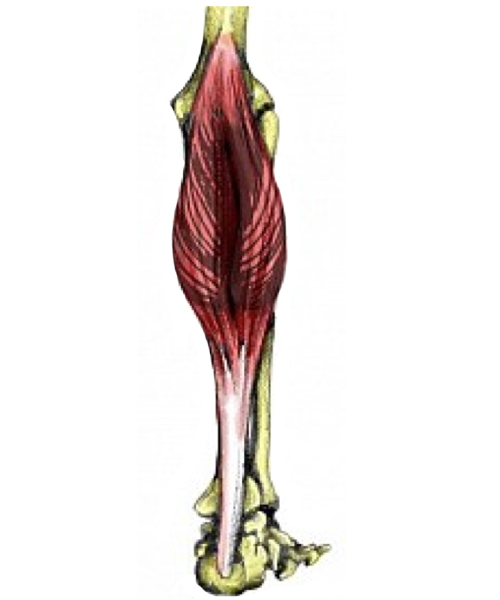
Gastrocnemius is the largest and most superficial of the ankle muscles. Together the Gastrocnemius, Soleus, and Plantaris are known as Triceps Surae. The Gastrocnemius is the main propellant in walking and running.
- Origin: Lower posterior surface of the femur above the medial condyle. Lateral condyle of the femur.
- Insertion: Posterior surface of the calcaneus via the Achilles tendon.
- Actions: Plantar flexion.
- Innervation: Tibial nerve.
- Daily uses: Standing on tiptoes.
- Example strengthening exercises: Calf raises.
- Example stretches: Gastrocnemius stretch.
Flexor Hallucis Longus
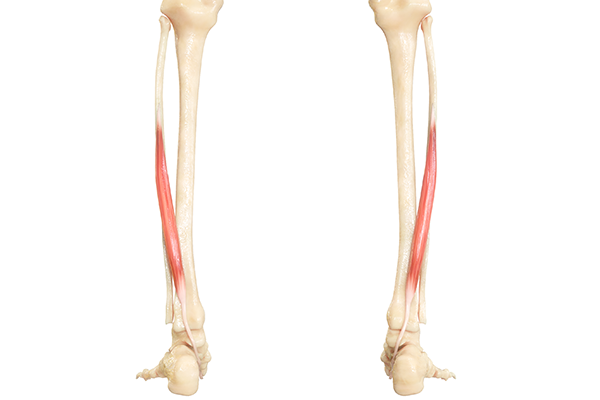
Flexor Hallucis Longus bends the big toe when you curl up your foot. It is called ‘Hallucis’ as the word Hallux means great or big toe in Latin. This muscle also supports the longitudinal arch of the foot.
- Origin: Lower 2/3 of the posterior surface of the fibula.
- Insertion: Plantar (sole of the foot) aspect of the base of the distal (furthest) phalange of the big toe.
- Actions: Flexion of the big toe. Inversion. Plantarflexion.
- Innervation: Tibial nerve.
- Daily uses: Pushing off the surface in walking.
- Example stretches: Soleus stretch.
Flexor Digitorum Longus
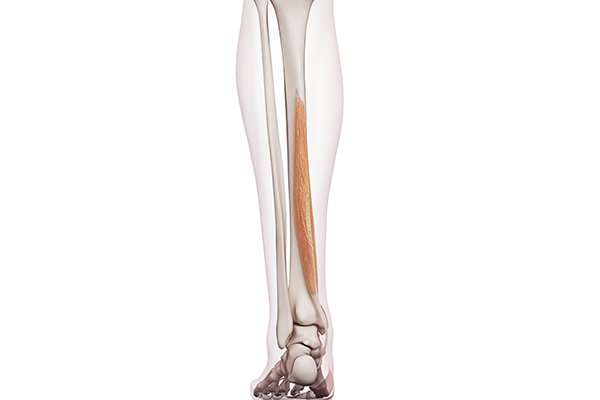
Flexor Digitorum Longus causes the toes to grip and mold to the floor’s surface which is vital in maintaining balance on rough surfaces. The tendons pass under the foot. Walking barefoot on an uneven surface is an excellent exercise for this muscle.
- Origin: Lower 2/3 of the posterior surface of the tibia.
- Insertion: Plantar (bottom) aspect of the base of the distal (furthest) phalanges of each of the four toes.
- Actions: Plantarflexion. Inversion. Flexion of the toes.
- Innervation: Tibial nerve.
- Daily uses: Gripping with the toes.
- Example stretches: Soleus stretch.
Extensor Hallucis Longus
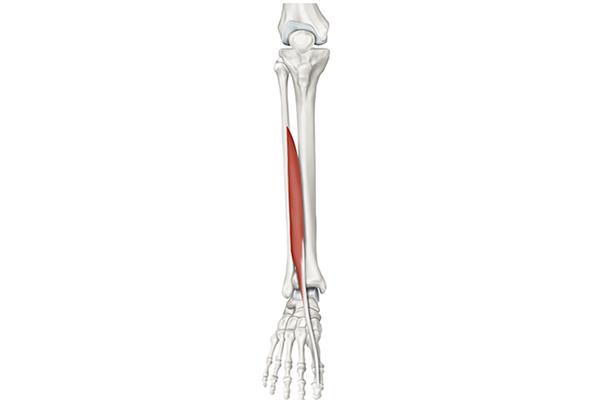
The extensor hallucis longus is the only ankle muscle responsible for extending (pulling back) the big toe.
- Origin: Middle 2/3 of the inner surface of the front of the fibula.
- Insertion: Distal phalanx of the big toe.
- Actions: Extension of the big toe. Dorsiflexion Inversion.
- Innervation: Peroneal (fibular) nerve.
- Daily uses: Walking up the stairs it pulls the big toe up to clear the step.
- Example strengthening exercises: Toe raises.
- Related injuries: Inflammation of the extensor tendons of the toes.
- Related muscles: Extensor digitorum longus & Tibialis anterior
Extensor Digitorum Longus
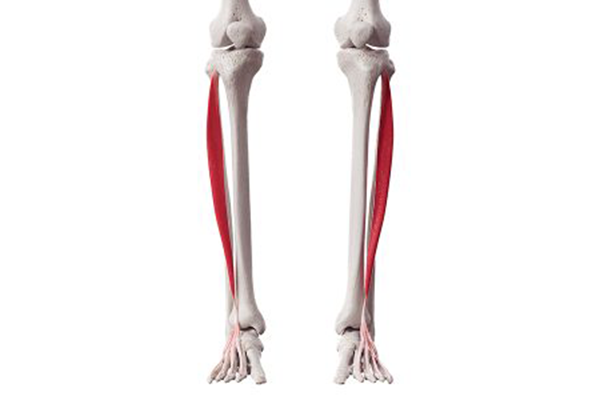
Extensor digitorum longus (often shortened to EDL) is found in the front of the lower leg, in the outer more muscle-bound compartment.
- Origin: Lateral condyle of the tibia.
Head and anterior surface of the fibula.
Interosseous membrane (between tibia and fibula). - Insertion: Dorsal (top) surface of the middle and end phalanges of the four outer toes.
- Actions: Extends toes. Dorsiflexion. Eversion.
- Innervation: Peroneal (Fibular) nerve.
- Daily uses: Walking upstairs and making sure the toes clear the steps.
- Example strengthening exercises: Toe raises.
- Example stretches: Shin stretch.
Which ankle muscles plantar flex the ankle (plantar flexion)?
- Gastrocnemius
- Soleus
- Flexor hallucis longus
- Flexor digitorum longus
- Tibialis posterior
- Peroneus brevis
- Peroneus longus
Which ankle muscles dorsiflex the ankle?
- Tibialis anterior
- Extensor hallucis longus
- Extensor digitorum longus