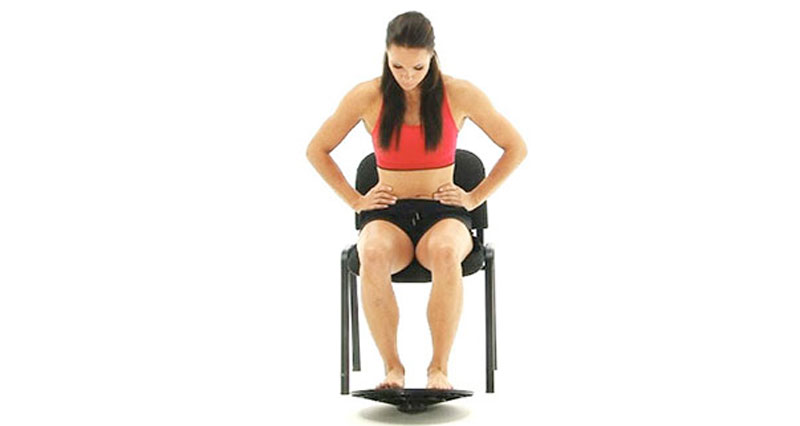
Stretching exercises are important in sports for optimum performance, preventing and recovering from injury. But are you doing the right stretches at the right time? Here we explain the different types of stretching, the benefits, and techniques.
Benefits of stretching
Flexibility is the range of movement at a joint. It means the same as mobility or suppleness and is important in sports. Stretching has a number of benefits including:
- Increasing range of motion
- Preventing injury
- Avoiding DOMS (delayed onset muscle soreness)
- Improving posture
- Stress relief
- Enhanced sports performance.
Read more on the benefits of stretching.

Types of stretching
There are a number of different types of stretching exercises which can be done to improve flexibility. The most appropriate technique will depend on your specific aims and include:
- Static stretching is where the muscle is stretched until a gentle ‘pull’ or stretch on the muscle is felt then held for a period of time.
- PNF (proprioceptive neuromuscular facilitation) type techniques involve contracting and relaxing muscles.
- Dynamic stretching is very much in fashion these days, particularly in sports for warming up.
- Ballistic stretching is where the end range of movement of the joint is forced.
- Neural stretching refers to stretching the structures of the nervous system, for example, sciatic nerve stretches.
Read more on types of stretching.
Foot & ankle stretching exercises
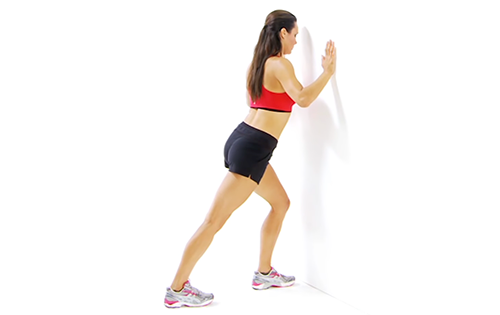
Stretching exercises for the foot, ankle & shin, including the calf muscles (gastrocnemius and soleus), Tibialis Anterior, Extensor Digitorum Longus, Extensor Hallucis Longus, peroneal muscle, and plantar fascia. These stretches are important for recovering from lower leg injuries.
Read more on stretching exercises for the lower leg & foot.
Thigh stretching exercises
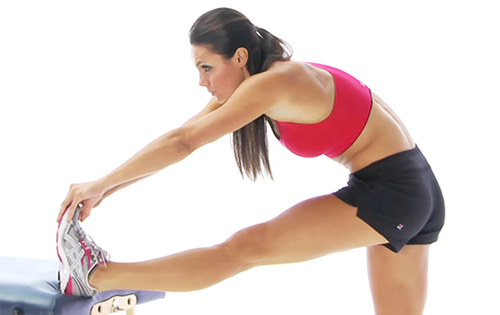
Stretching exercises for the quadriceps and hamstring muscles are important for preventing and recovering from hamstring strains, thigh contusions, quadriceps strains, and groin injuries.
Read more on thigh stretching exercises.
Hip and groin stretching exercises
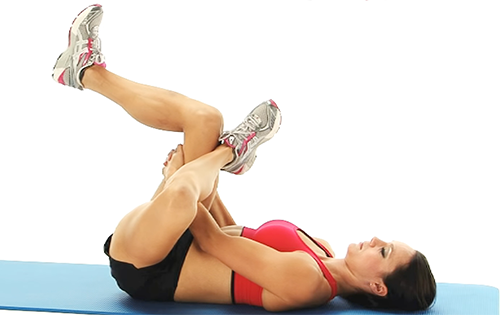
These exercises are important for recovering from groin strains, piriformis syndrome, and other hip and groin-related injuries.
- Standing groin stretch
- Long adductor stretch
- Piriformis stretch
- Hip flexor stretch
Read more on hip & groin stretches.
Back stretching exercises
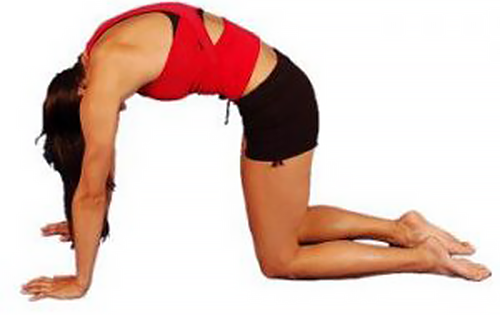
Back stretching is important to include in your general training routine to help prevent injury and even improve sports performance. If you have back pain or any kind of back injury then it is important to get professional advice as some back exercises may not be suitable.
Read more on back stretches.
Shoulder stretching exercises
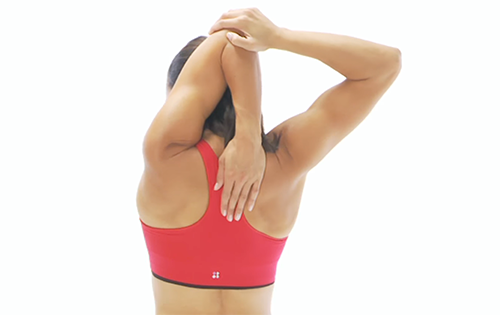
Shoulder stretching exercises, including anterior shoulder stretch, chest stretch, Triceps stretch, and Latissimus Dorsi stretch as well as partner-assisted exercises which can increase the range of motion still further in the shoulder joints.
Read more on shoulder stretches.
Elbow and wrist stretching

Elbow and arm stretching exercises are usually most important when rehabilitating an elbow or wrist injury, and include wrist flexors, wrist extensors, tennis elbow stretch, and triceps muscle. In particular, martial artists often do wrist and arm stretches as part of their warm-up.
Read more on wrist & elbow stretches.
Neck stretching exercises

Stretching exercises for the neck include rotation stretches, forward and lateral flexion stretches, and Sternocleidomastoid stretches. Neck mobility exercises are also excellent for relieving the tension caused by too many hours sitting at a desk or in front of a computer.
Read more on neck stretches.
Hypermobility – can I be too flexible?
Generalised Joint Hypermobility (GJH) is a blanket term used to describe an individual with joints that are more flexible than is usual amongst the general population. Hypermobile people are thought to make up only 3% of the population.
Hypermobility is more of a physical ‘quirk’ than a condition and is simply a variation in the way in which the joints are formed. This increased flexibility is the result of the connective tissue of the joint structures (the ligaments and capsule) being more compliant than the usual range. Generalised Joint Hypermobility is usually tested by the Beighton Score, which is a simple method to test for joint laxity and hypermobility on a 9-point system.
Read more on hypermobility.