Treatments & Therapies

A large number of treatments and therapies are used in the management of sports injuries. We explain some of the more popular sports injury treatment methods and when they might be used as well as the different types of therapist or practitioner offering treatment.

Massage therapy

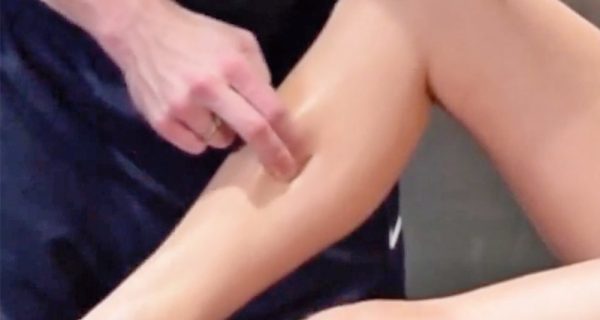
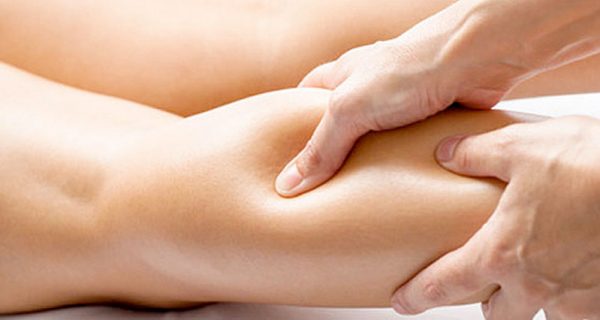
Sports massage is popular with sports injury professionals. Although actual evidence of its effectiveness is difficult to obtain sports massage is thought to have a number of benefits in the treatment of sports injuries as well as prevention of injuries. We explain the benefits of sports massage and have a number of sports massage tutorial videos for different parts of the body and different injuries.

Cryotherapy

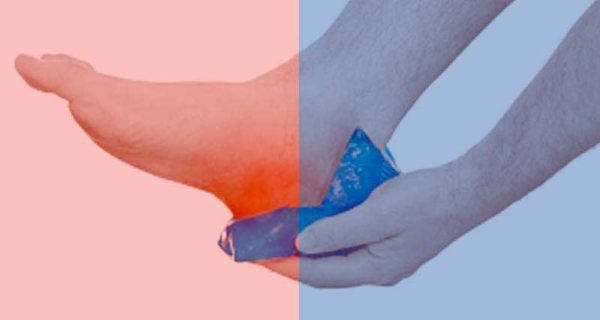
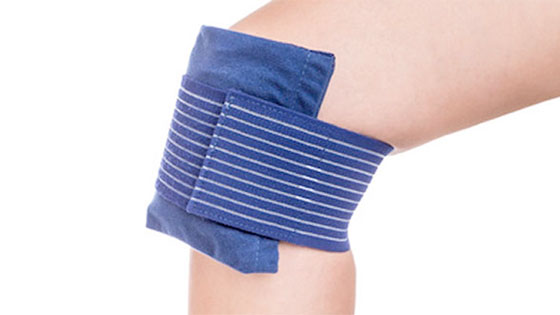
Cryotherapy or cold therapy is probably the most widely used form of treatment for sports injuries. Applying cold packs to a soft tissue injury is an important part of emergency first aid. We explain why the RICE procedure (rest, ice, compress, elevate) works as well as contraindications to cryotherapy where it could be dangerous to apply ice. We also explain when to apply hot and when to apply cold.

Sports Taping

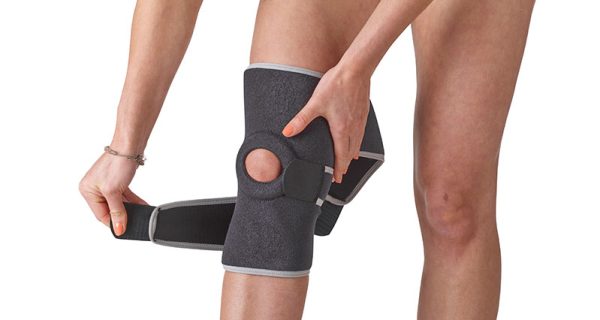
Sports taping can help in the treatment of sports injuries by applyingSports taping icon compression to a recently injured joint to help reduce swelling as well as to protect joints and restrict movement later in the rehabilitation process. We have a number of expert video tutorials on sports taping techniques for specific injuries including ankle taping, wrist strapping, finger taping and more.

Electrotherapy

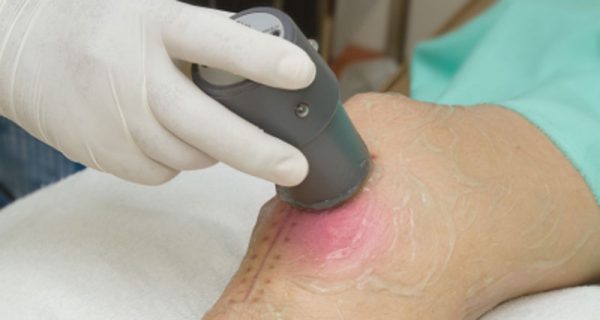
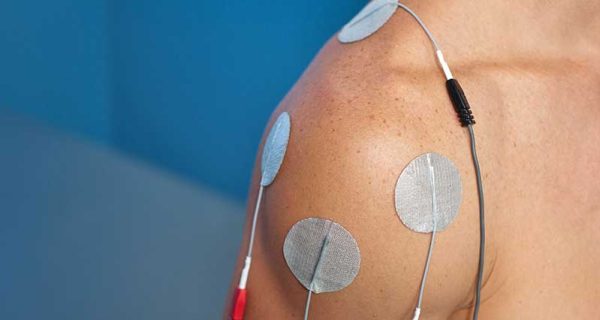
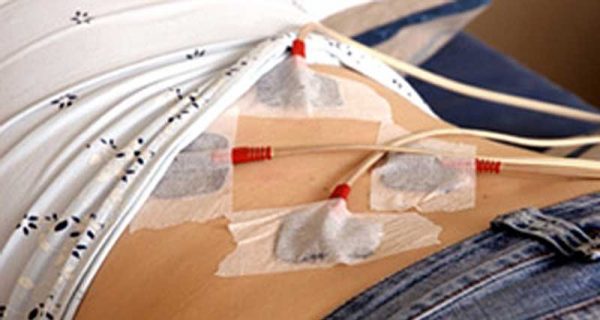
Electrotherapy covers a range of treatments including Ultrasound, Laser treatment, Interferential and Tens. Benefits of electrotherapy include pain relief, reduced swelling and inflammation, breaking down scar tissue and increasing blood flow. We explain the benefits and effects of various electrotherapy treatments in more detail.

Heat treatment

Heat treatment is often best used after the initial acute phase has passed. It is particularly affective on muscle and tendon injuries as it helps stimulate blood flow which encourages healing. It is important not to apply heat to a recent soft tissue injury as it is likely to make it worse.

Some of our specific rehab programs advocate the alternate use of hot and cold to accelerate the healing process. We explain heat treatment in more detail including contraindications to applying heat.

Complimentary Therapies

Complimentary therapies and alternative therapies are those which may work along side more traditional therapies or are considered to be outside the normal medical theory. We describe a number of these treatments including Reflexology, Shiatsu, Acupuncture, Reiki, Aromatherapy, Indian head massage and more and how they can help in the treatment of sports injuries.

Hydrotherapy

Hydrotherapy is the use of water in the treatment and rehabilitation of sports injuries which includes hydrotherapy spa baths, hot tubs, steam rooms as well as colonic hydrotherapy. We explain how they can help in the treatment and management of sports injuries.

Drugs

Drugs may be prescribed by a Doctor for the treatment of sports injuries as pain killers, anti inflammatory medication or for other reasons such as antibiotics for treating infection. We explain the more commonly used drugs and how they are used to treat sports injuries.

Medical Imaging

Medical imaging is the use of scans and tests to look at images of the body, particularly inside the body to help diagnose and treat an injury. These include X rays, Bone scans, MRI scans, CT scans and Ultrasound scans. We explain the different types of medical imaging and their relevance to sports injuries.

Plaster Casts

Following a fracture or severe injury a plaster cast may be applied to prevent any movement for a period of time to allow the injury to heal.