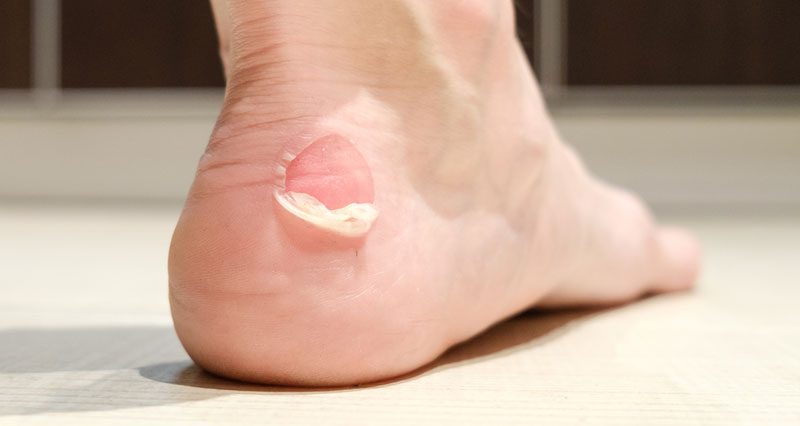
Blisters are caused by friction between the skin and the inside of a shoe or clothing. They are common in sports, but most are preventable. Here we explain the signs, symptoms, causes, and prevention of blisters.
Medically reviewed by Dr Chaminda Goonetilleke, 20th Jan. 2022
What causes blisters?
Blisters are caused by friction between your foot and your socks or shoes. Heat builds up causing swelling under the skin.
The swelling may or may not have blood in it. Redness on the skin is the first sign of a blister.
What is a blood blister?
These appear dark or red in colour. This is due to damage occurring to blood vessels that bleed into the skin tissues. It tends to occur more from a sudden impact or pinching of the skin, rather than repetitive friction.
It should be treated in the same way as a normal blister, although be aware that due to the deeper damage, the skin underneath would be raw and usually very sore and more prone to infection.
How to treat blisters
Prevention is by far the best cure in this case. Most small ones should be left alone. They usually heal on their own. However, if you do suffer on a long run or walk then there are a few things you can do to ease the pain.
Blister plasters
The first sign of a blister will be redness over the skin, possibly at the back of the heel, the instep or the toes. This is an early warning sign called a hot spot. Applying a second skin dressing, plaster or tape to the affected area provides an additional protective layer. As a result, it helps prevent it from forming.
Change your socks
Ensure your feet are dry and change your socks regularly. Wet socks cause friction much faster than dry socks.
Petroleum jelly (vaseline)
An effective, short-term measure is to cover the foot and affected area in petroleum jelly. This should provide some relief from pain as it protects the skin and lubricates. However, as the heat from your foot melts the petroleum jelly it runs away and is ineffective.
Draining a blister
Most drain and heal naturally on their own. For larger blisters, it may be necessary to pop them. Do this with caution! Follow these guidelines:
- Make a small hole at the edge with a sterilized pin or needle. Sterilized the pin by passing it through a flame.
- Do not drain a blood-filled blister.
- Clean the area with a sterilizing wipe.
- Drain the fluid but leave as much of the skin as possible covering the wound. This is an important protective layer for the underlying skin and will help to prevent infection.
- Cover with a second skin or specialist plaster taking the time to apply it correctly.
- For additional security apply tape over top.
Preventing blisters
Prevention is easy if you look after your feet and follow are a few simple tips.
Footwear
Take care of your footwear. Ensure that shoes fit correctly. Poorly fitting shoes that are either too tight or too big will increase rubbing or friction on the foot and toes. Running shoes should last 6 months or 500 miles. Introduce new shoes gradually and change them before they become too worn out. Look after your walking boots or shoes. Do not leave them on radiators or near heaters. This may cause the leather to shrink and seams to protrude.
Taping
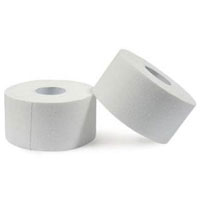
Protect the potential hot spots by applying a second skin or taping. Use the highest quality zinc oxide tape which will stay stuck to the foot for longer, especially when the feet get wet.
A blister plaster is designed specifically to act as a second skin. Make sure they are warm and the foot dry before applying, but once they are on properly they should stay in place for 24 hours and be very effective.
Feet
Keep feet as dry as possible. Wet shoes, boots, and socks will cause blisters far more quickly than dry ones. Wherever possible, change your socks regularly and use foot powder to help keep them dry.
Socks
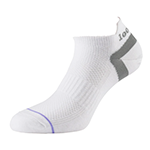
Some people advocate wearing socks with a double layer. The second layer stops the first one from rubbing against the skin. Others prefer a single-layer loop stitched sock as less heat is generated. The important thing is to find what works best for you.
Blister Taping
Below is a video demonstration of a taping recommended for a full day of walking in boots over hills. For lesser events, you may decide to only apply tape where you know it will be required such as at the back of the heel, or around a single toe. Check you are not allergic to zinc oxide tape before applying.
The aim of this taping is to protect the areas of the foot which are prone to blisters. Preventing blisters by far the best cure!
Equipment
A single roll of 2.5cm (1 inch) zinc oxide tape is all that is required.
The normal white zinc oxide tape is easily sufficient for most purposes, however, for long expeditions in wet conditions I recommend Leukotape P tape of 3.8cm. This will stay secure for longer.
Heel
Apply two or three separate strips of tape across the back of the heel. Do not overlap the tape as this will cause a ridge that might rub, or cause the tape to come away.
Do not have any wrinkles or bumps in the tape as these may cause blisters themselves. Make tiny cuts in the tape if needed to allow a better fit.
Instep
As above apply strips of tape along the inside of the foot.
Again ensure there are no bubbles or wrinkles.
Toes
Apply single strips of tape around each toe.
Try not to overlap the tape but finish just short of a join.
Avoid having the joins in the tape where they might rub, for instance under or between the toes.