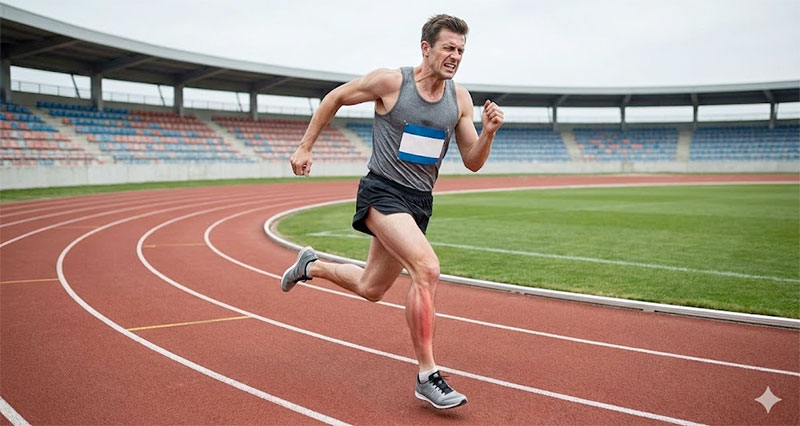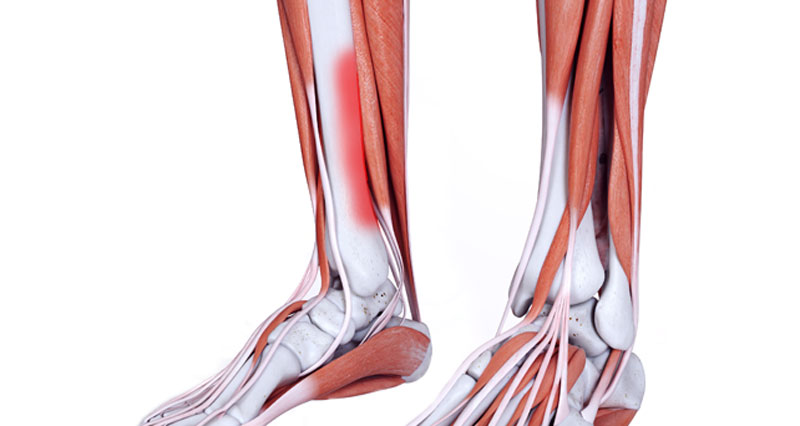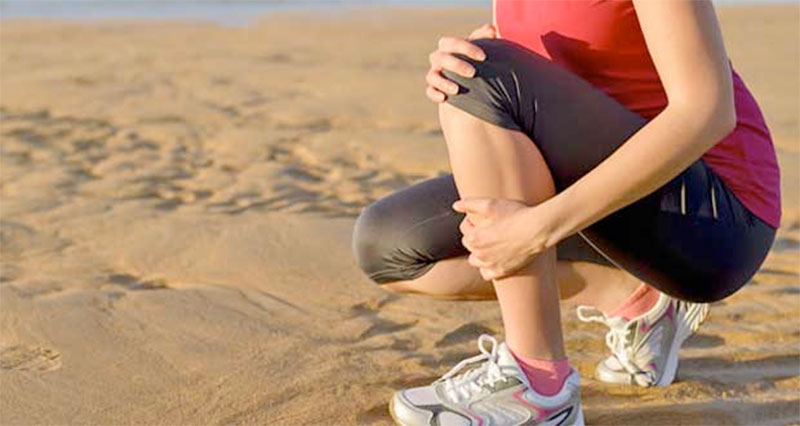
Shin splints exercises help reduce pain along the inside of the lower leg and are essential for both treatment and prevention. The right combination of stretching and strengthening improves how the lower leg absorbs load and reduces stress on the shin.
In the early stages, focus on gentle stretching exercises to reduce tightness in the calf muscles. As pain settles, strengthening exercises can be introduced to improve resilience and prevent symptoms from returning.
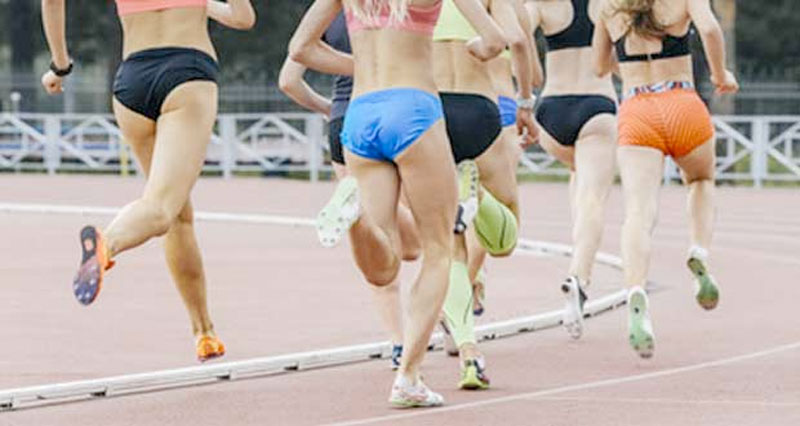
Shin splints typically develop when repeated stress irritates the shin bone (tibia). Tight calf muscles, poor running mechanics, and sudden increases in training load are common contributing factors.
If any exercise increases your pain, stop and seek advice.
Stretches for shin splints
Shin splints stretching exercises focus on the calf muscles, including the gastrocnemius and soleus. These are often tight and must be stretched with both a straight and bent knee to target each muscle properly.
Gastrocnemius stretch (calf stretch)
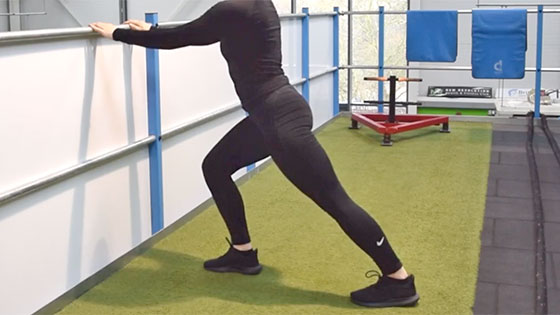
This is one of the most important exercises for shin splints. It targets the larger calf muscle, which is often tight and increases stress on the shin.
How to perform this stretch
- Stand facing a wall
- Place one leg behind you with the knee straight
- Keep your back heel flat on the floor
- Lean forward into the wall until you feel a stretch in the upper calf
- Hold for 20–30 seconds
- Repeat 3 times on each side
Why this exercise matters
Tight calf muscles increase the load placed on the shin during running and walking. Improving flexibility helps reduce stress on the tibia and can ease pain as well as prevent symptoms from returning.
Soleus stretch
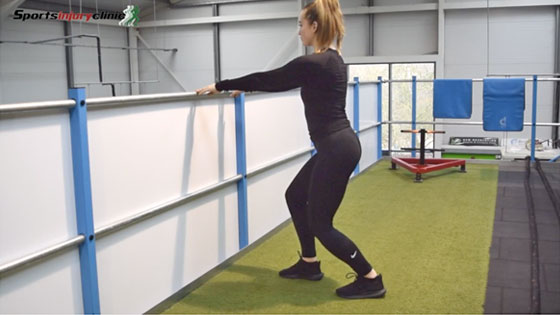
This stretch targets the deeper soleus muscle, which sits underneath the gastrocnemius. It is often tight in shin splints and must be stretched with the knee bent.
How to perform this stretch
- Stand facing a wall
- Place one leg behind you
- Bend the back knee while keeping the heel flat on the floor
- Lean forward into the wall until you feel a stretch in the lower calf
- Hold for 20–30 seconds
- Repeat 3 times on each side
Why this exercise matters
The soleus muscle plays a key role in absorbing load during running. If it is tight, it increases strain on the shin. Improving flexibility helps reduce stress on the tibia and supports recovery.
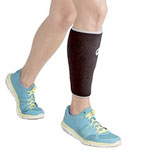
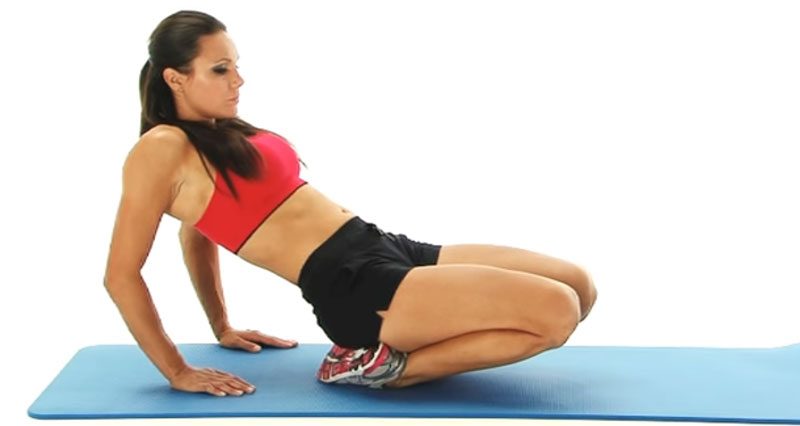
Shin stretch (anterior lower leg stretch)
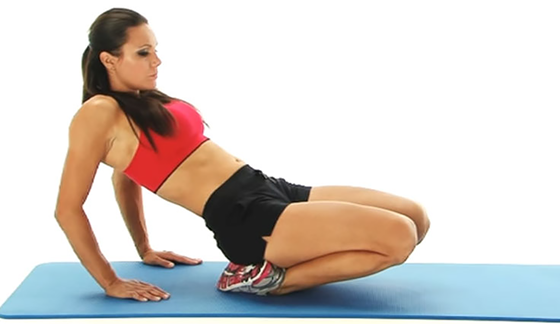
This stretch targets the muscles at the front of the lower leg, which can become tight and overworked in shin splints.
How to perform this stretch
- Kneel on the floor with your feet pointed behind you
- Sit back onto your heels
- Gently apply pressure to increase the stretch along the front of the shin
- Hold for 20–30 seconds
- Repeat 3 times
Progression:
- Perform one leg at a time
- Lift the knee of the stretching leg slightly to increase the stretch
Why this exercise matters
The muscles at the front of the shin help control foot movement during running. If they become tight or fatigued, they can contribute to pain. Stretching helps reduce tension and improve overall lower leg function.
Strengthening exercises for shin splints
Strengthening exercises should be introduced once pain has settled. The aim is to improve how the lower leg handles load and reduce the risk of symptoms returning.
Calf raise exercise
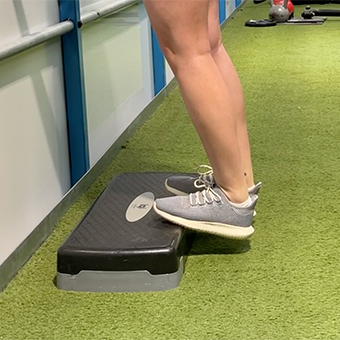
Calf raises strengthen the muscles of the lower leg, helping improve load tolerance and reduce stress on the shin.
How to perform this exercise
- Stand with your feet shoulder-width apart
- Keep your knees straight
- Slowly raise your heels off the floor as high as possible
- Lower back down in a controlled way
- Repeat 10–15 times
- Complete 3 sets
Why this exercise matters
The calf muscles play a key role in controlling load through the lower leg. Weakness here can increase strain on the shin. Strengthening them helps improve load tolerance and reduce the risk of symptoms returning.
Resisted dorsiflexion
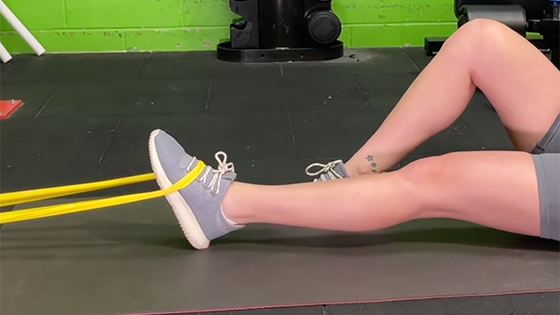
This exercise strengthens the muscles at the front of the lower leg, which help control foot movement during running and walking.
How to perform this exercise
- Sit with your legs straight out in front of you
- Place a resistance band around your foot
- Secure the other end to a fixed point or have someone hold it
- Pull your toes up towards you against the resistance
- Slowly return to the starting position
- Repeat 10–15 times
- Complete 3 sets
Why this exercise matters
The muscles at the front of the shin help control the foot as it strikes the ground. Weakness here can increase stress on the shin. Strengthening them improves control and reduces the risk of symptoms returning.
Heel and toe walking
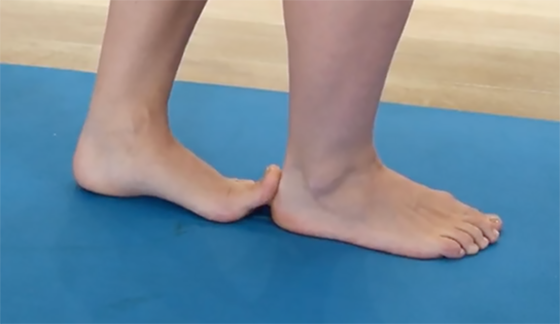
This exercise strengthens the muscles of the lower leg and improves control through the ankle during movement.
How to perform this exercise
- Walk forward on your heels with your toes lifted off the ground
- Then walk forward on your toes with your heels raised
- Keep movements slow and controlled
- Walk for 10–20 metres each way
- Repeat 2–3 times
Why this exercise matters
Heel walking targets the muscles at the front of the shin, while toe walking strengthens the calf muscles. Together, they improve lower leg strength and control, helping reduce stress on the shin and prevent symptoms from returning.
Returning to full fitness after shin splints
The aim of rehabilitation is not just to become pain-free, but to return to full fitness without symptoms returning. Once walking is pain-free for at least 2 weeks, you can begin to gradually run again.
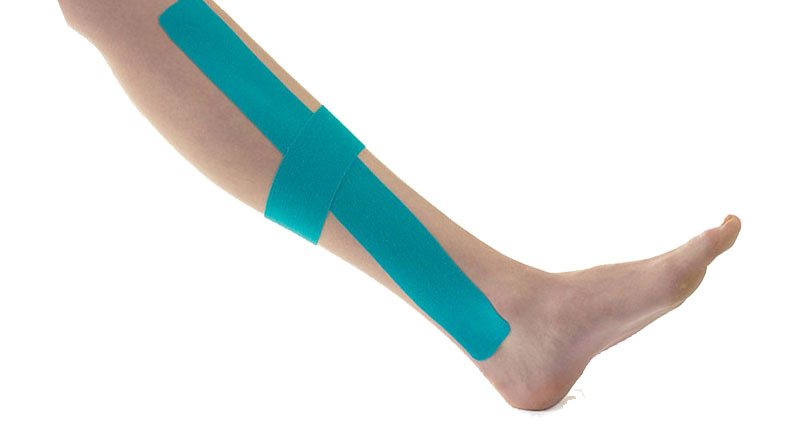
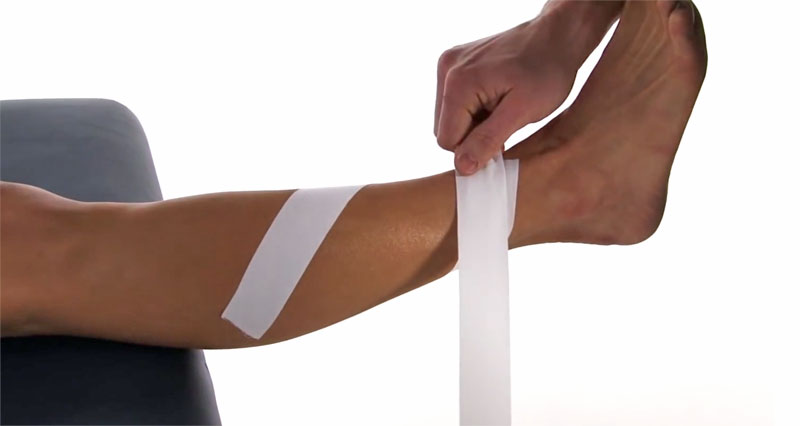
For the first few runs, applying shin splint taping can help provide additional support. It is also important to wear appropriate footwear for your running style or sport.
After each training session, apply ice to the shin for around 10 minutes to help manage any inflammation.
Ensure you stretch properly before and after each training session. Hold each stretch for around 30 seconds and repeat 3–5 times.
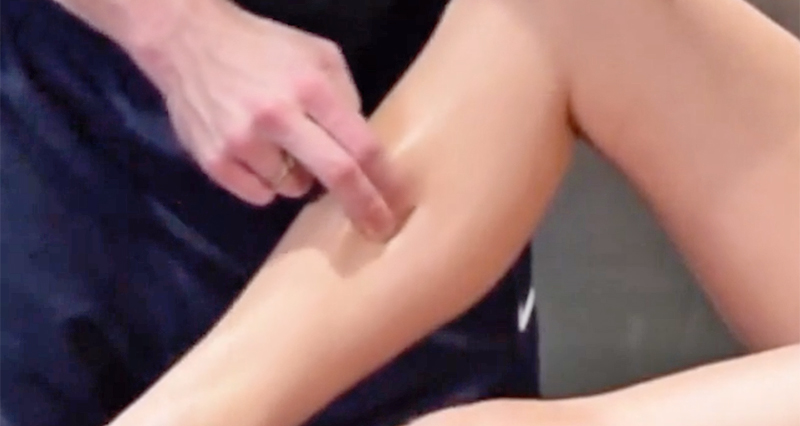
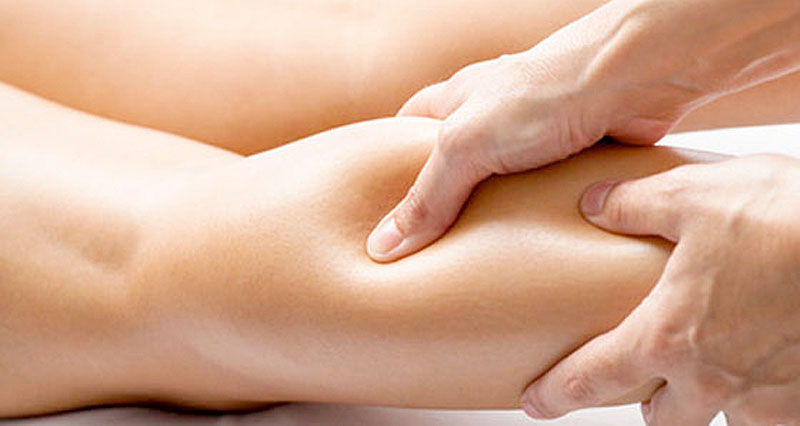
Regular massage can help prevent the muscles from tightening and placing additional strain on the lower leg.
Example return to running programme
Begin each session with a 5-minute walk followed by stretching.
- Day 1: Walk 4 minutes, jog 2 minutes – repeat 4 times
- Day 2: Rest
- Day 3: Walk 4 minutes, jog 3 minutes – repeat 3 times
- Day 4: Rest
- Day 5: Walk 3 minutes, jog 4 minutes – repeat 4 times
- Day 6: Rest
- Day 7: Walk 2 minutes, jog 6 minutes – repeat 4 times
Continue to increase running time gradually as long as symptoms do not return.