Inflammation is the body’s natural response to injury, irritation or infection. It is an important part of the healing process and helps protect damaged tissue while repair takes place.
After an injury, the body increases blood flow to the area and releases chemicals that trigger healing. This causes the classic signs of inflammation including pain, swelling, redness and heat. Although inflammation can be uncomfortable, it is an essential stage of recovery.
What Causes Inflammation?
Inflammation may occur after:
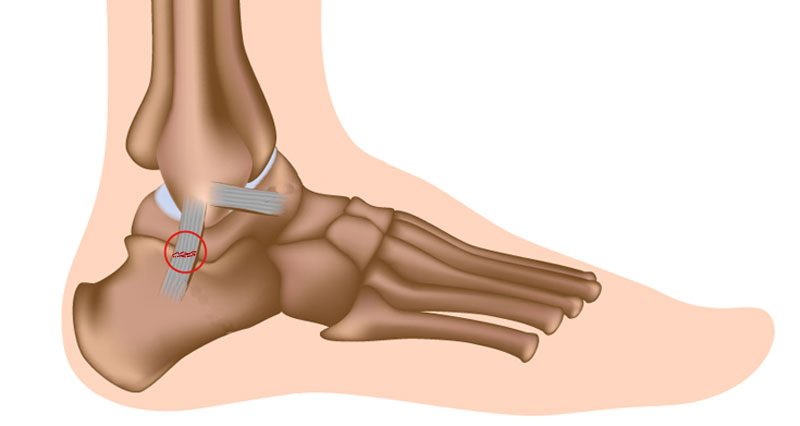
- Acute injuries such as sprains, strains or fractures
- Repetitive overuse injuries
- Surgery or trauma
- Infection or illness
- Long-term irritation to tissues
In sport, inflammation often develops following tissue damage caused by excessive force or repeated stress.
Signs and Symptoms of Inflammation
The inflammatory response is usually recognised by five classic signs:
Pain
Damaged cells release chemicals that irritate nerve endings and make the area painful.
Swelling
Fluid moves into the injured area, causing swelling or oedema.
Redness
Blood vessels widen (vasodilation), increasing blood flow to the area.
Heat
The increased circulation makes the injured area feel warm.
Loss of function
Pain and swelling may temporarily reduce movement, strength or normal function.
What Happens During the Inflammatory Response?
Inflammation begins within seconds of tissue injury and involves a series of overlapping events.
1. Tissue injury
Damage may occur suddenly through trauma such as a fall, twist or collision. It can also develop gradually through repetitive overuse (microtrauma).
2. Release of inflammatory chemicals
Damaged cells release chemicals including:
- Histamine
- Prostaglandins
- Bradykinin
These chemicals:
- Increase blood flow
- Increase capillary permeability
- Trigger swelling
- Attract immune cells to the injured area
Some inflammatory chemicals also increase pain sensitivity.
3. White blood cell response
White blood cells called leukocytes migrate to the injured tissue.
The main types involved are:
Neutrophils: These are the first cells to arrive and help remove bacteria and damaged tissue.
Macrophages: Clean up dead cells and help coordinate tissue repair and regeneration. They may remain active in the injured area for several weeks.
Acute vs Chronic Inflammation
Inflammation can be acute or chronic:
Acute inflammation
Acute inflammation occurs immediately after injury and usually lasts a few days. It is a normal and necessary part of healing.
Chronic inflammation
Chronic inflammation develops when irritation or tissue stress continues over time. This happens with:
- Tendinopathy
- Overtraining
- Poor rehabilitation
- Repeated aggravation of an injury
Persistent inflammation can delay healing and contribute to ongoing pain.
Is Inflammation Good or Bad?
Inflammation is not always harmful. In the early stages after injury, inflammation helps protect tissue and initiate healing. Completely suppressing inflammation too aggressively may sometimes delay recovery. However, excessive or prolonged inflammation can increase pain and slow healing. The aim is usually to control inflammation rather than eliminate it completely.
How to Reduce Inflammation After Injury
Treatment depends on the type and severity of injury but may include:
- Relative rest
- Ice or cold therapy
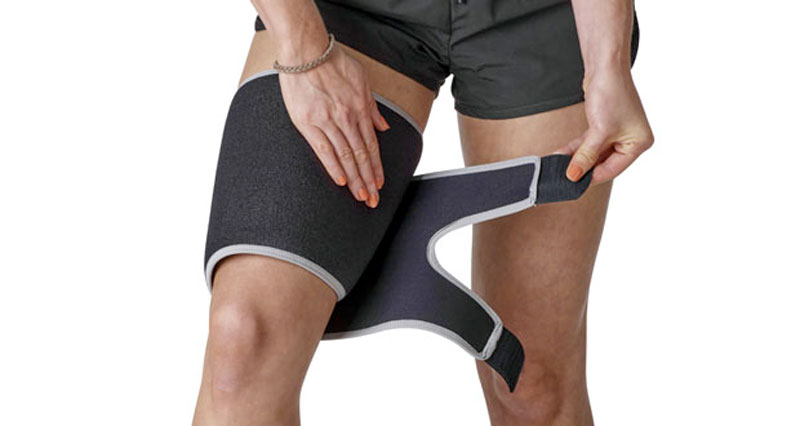
- Compression
- Elevation
- Gentle movement and rehabilitation exercises
- Anti-inflammatory medication (when appropriate)
Early management should focus on protecting the injured tissue while allowing healing to occur.
When to Seek Medical Advice
Seek medical attention if inflammation is associated with: