A dislocated finger occurs when two of the finger bones forming joints become displaced, injuring the ligaments and other soft tissue in the process. The finger will look deformed and severe pain will be felt. Medical help should be sought immediately, especially as there can be complications involving nerves and ligaments.
Symptoms of a dislocated finger
A dislocated finger is caused by a traumatic impact of bending the back of the finger.
Symptoms include:
- Immediate pain with an obvious deformity of the finger
- The patient will have great difficulty trying to move the finger
- It is likely to swell up quickly and bruising may appear later
- If there is any nerve damage then the dislocated finger may feel numb or tingly
- Damage to blood vessels could result in the skin feeling cold and appearing pale
Dislocated finger explained
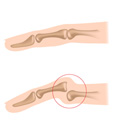
A finger dislocation can occur in any of the joints in the finger, but occurs most frequently in the middle joint, between the proximal and middle phalanges. The most common causes of this kind of injury include jamming the fingers between something, such as a door and its frame, or a ball and a bat.
It may also happen from a force on the end of the finger, overextending the joint. Fractures of the involved bones are common complications. For a joint to dislocate the supporting ligaments are also damaged. This is called a sprained finger.

Treatment of a dislocated finger
If a dislocated finger is suspected, then medical attention should be sought as soon as possible. In the meantime, don’t try to move the finger or put it back in place. If possible, buddy splints it to the next finger, apply ice or cold water and keep it elevated above the heart. This will help reduce bleeding and swelling.
Any tight clothing or jewellery should also be removed. At the hospital, an X-ray will probably be taken to ensure there are no associated fractures. A Doctor will also examine the finger for signs of nerve or blood vessel damage. The finger joint will need to be reduced, which means put back in place.
If this hasn’t happened naturally (sometimes it does) the Doctor will use a special manipulation technique to get the bones to move back into position. You may be given a local anaesthetic injection to help with this as it can be painful. A second X-ray may then be ordered to check the joint is properly aligned.
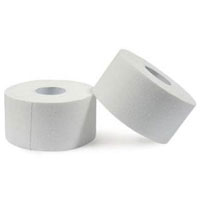
The finger will then be splinted or buddy strapped to the one next to it to immobilise it and allow it to heal. You will be prescribed painkillers by the Doctor and advised to rest, apply ice and keep the hand elevated when possible. A dislocated finger may take 4-8 weeks to fully heal and for full function to return (more if there are any complications).