A TFCC tear is an injury to the triangular fibrocartilage complex in the wrist. It is typically caused either by sudden trauma or repetitive strain. Here, we outline the key symptoms, common causes, and treatment for a TFCC tear.
On this page:
ADVERT


TFCC tear symptoms
Symptoms of a TFCC tear include:
- Wrist pain on the little pinky finger side
- Tenderness over the back of the wrist
- Pain worsens when bending the wrist sideways (little finger towards the forearm, called ulnar deviation)
- Swelling
- Reduced grip strength
- Sometimes a clicking sound or feeling when moving the wrist
Diagnosis
Visit a doctor if you suspect a TFCC tear. They will perform some manual tests which place stress on the complex. By reproducing symptoms they can get an understanding of the injured structures.
Home test for a TFCC tear
One thing you can do at home is to lift your body weight off a chair. If this reproduces symptoms then the test is positive1.
An MRI scan is most effective at diagnosing this particular injury with a 90% accuracy rate. An X-ray rules out fractures.
What is a TFCC tear?
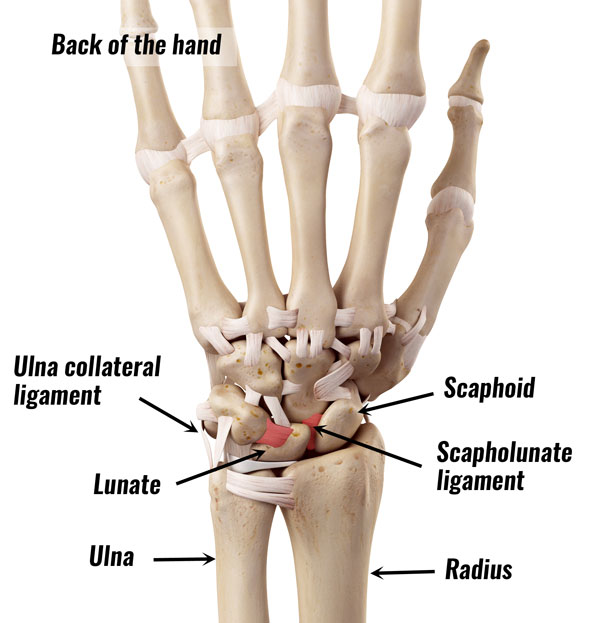
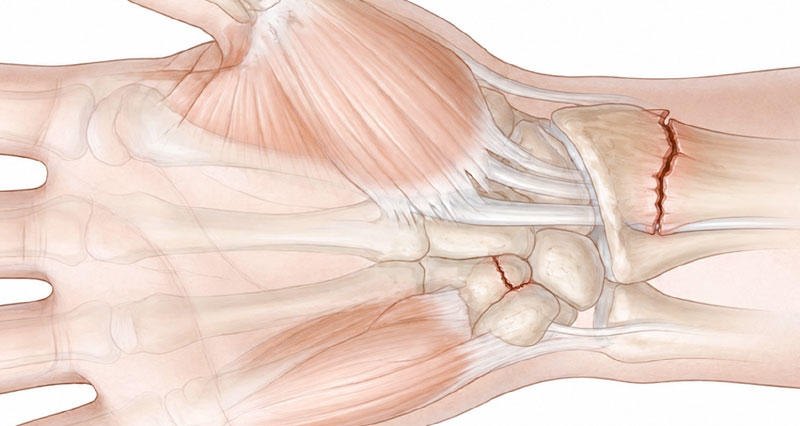
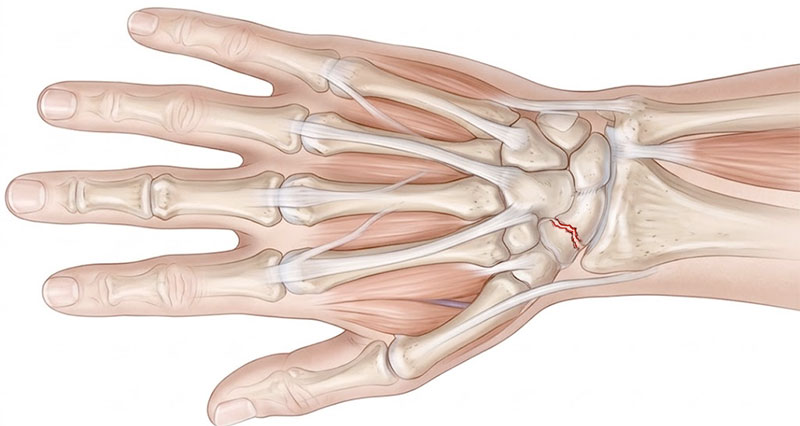
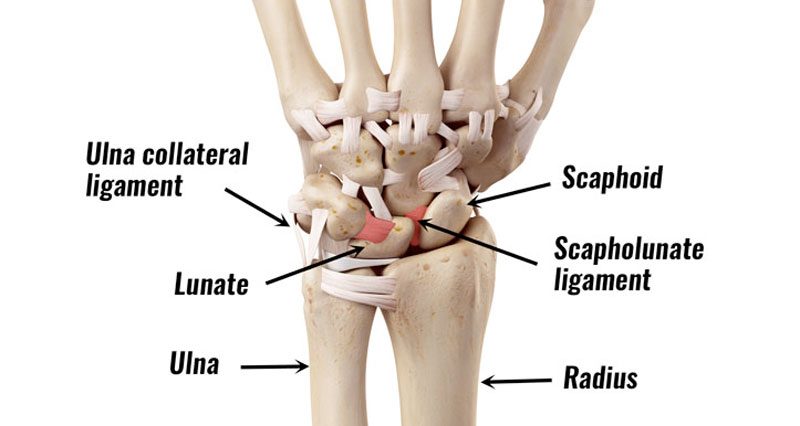
A TFCC tear is a tear of the triangular fibrocartilage complex. The TFCC is a combination of ligaments and cartilage which holds together the radius and the ulna, enabling stable rotation of the forearm.
The TFCC comprises:
- The triangular fibrocartilage disc
- Ulna meniscus
- Ulnar collateral ligament
- Several carpal ligaments
- Extensor carpi ulnaris tendon sheath
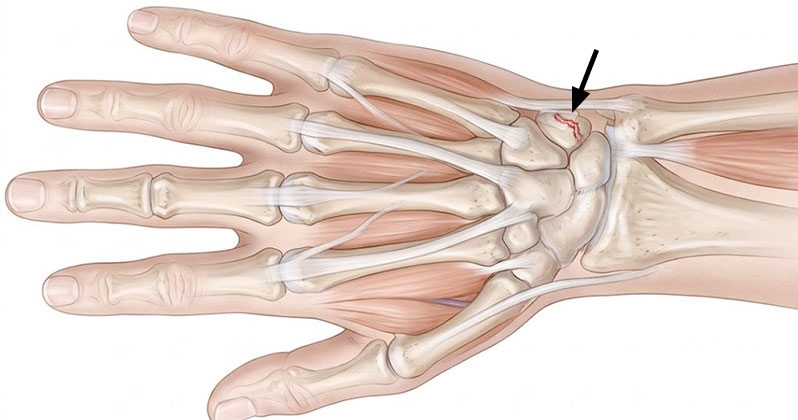
Of all the wrist ligaments the scapholunate ligament (on the back of the wrist) and TFCC or triangular fibrocartilage complex are the most important. The function of this group of structures is to provide stability, cushioning and smooth movement at the wrist joint.
What causes a TFCC tear
A TFCC tear is either traumatic from a specific injury or degenerative. Traumatic injuries usually involve a compressive and twisting force and 50% of the time also result in a fracture of the Ulna or Radius.
A twisting injury can cause damage to the TFCC.
Falls onto an outstretched hand, with the palm down and wrist extended (bent backwards) are a common incident that may cause this injury.
Sports in which this injury is common, include racket and bat sports like tennis and baseball and gymnastics due to weight-bearing on the hands. It also occurs in Water skiing.
Degenerative tears occur from repetitive loading over a long period, usually in older patients. They may also occur as a result of a genetically longer Ulna that pinches on the cartilage complex.
ADVERT
Treatment of TFCC injuries
It is very important with injuries to the scapholunate ligament and TFCC to make a correct diagnosis. This includes taking a full history of the patient in relation to the injury. These ligament injuries are not seen on X-rays so an MRI scan is needed to see the soft tissue damage.
If your injury is more severe then your surgeon operates to evaluate exactly what the damage to the wrist is. However, in most TFCC tears, conservative treatment (without surgery) is successful and involves the following:
Immobilization
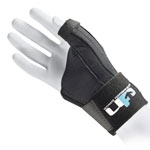
Immobilise in a splint for approximately 4 weeks. After this period, some patients transition to a removable splint or brace that allows controlled movement.
Medication
A doctor may prescribe anti-inflammatory medication such as ibuprofen.
Electrotherapy
Electrotherapy such as ultrasound may be used.
Exercises
Progressive wrist mobility and strengthening exercises should be followed, as pain allows.
Injections
In some cases a doctor injects corticosteroid.
TFCC tear surgery
Mr Elliot Sorene MBBS FRCS (Tr & Orth) EDHS Consultant Orthopaedic, Hand & Upper Limb Surgeon explains TFCC Surgery.
Large tears or degenerative injuries may require surgery. The procedure is usually arthroscopic (keyhole). It involves trimming the torn piece of cartilage.
In cases where the ulna is too long, your surgeon shaves the end of the bone away. Then they immobilize for 2-4 weeks, followed by a wrist strengthening and mobility program.
Mild injuries
Keyhole surgery is done and a very small camera is inserted into the back of the wrist to image the ligaments and examine the injury. These ligaments can then be tightened up and repaired with the minimum of invasive surgery.
Severe injuries
If there is a total disruption or tear of the ligaments then it may not be possible to repair them with keyhole surgery. Occasionally one needs to undertake an open technique and sometimes use a piece of tendon to repair the damage.
This is a complex subject but modern surgical techniques enable high-level sportspeople to return to full fitness in a minimum of time.
References & further reading
- Lester B, Halbrecht J, Levy IM et al. ‘Press test’ for office diagnosis of triangular fibrocartilage complex tears of the wrist. Ann Plast Surg 1995;35(1):41–5.
- Rettig AC. Athletic injuries of the wrist and hand. Part I: traumatic injuries of the wrist. Am J Sports Med 2003;31(6):1038–48.